How Gold Testing Machines Empower Pawn Shops in 2025
Gold testing machines ensure accuracy, speed, and trust in pawn shops. Discover how these tools empower businesses to stay competitive in 2025.
Product Portfolio
Complete solutions for jewelry, recycling, and lab testing with trusted precision.
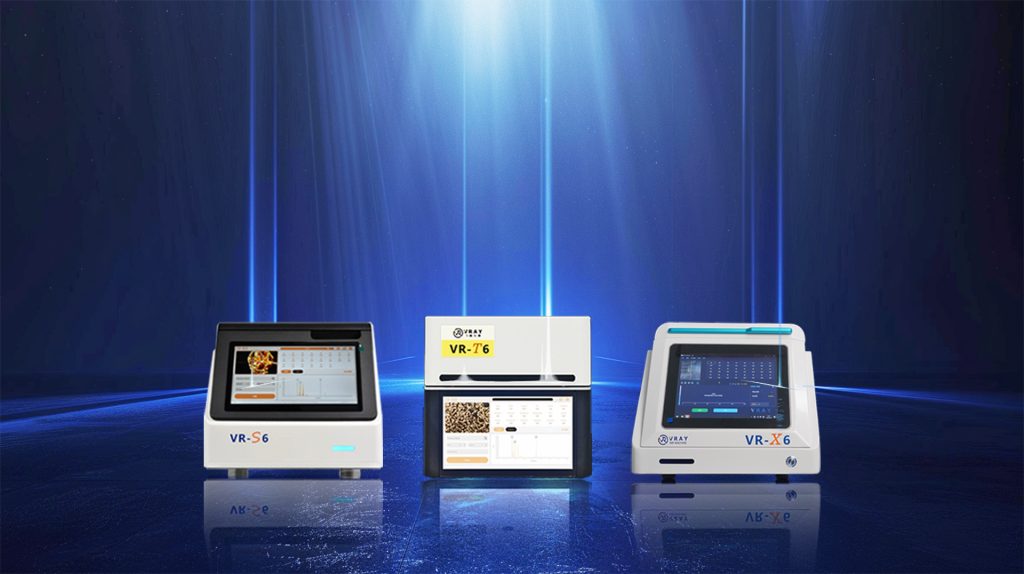
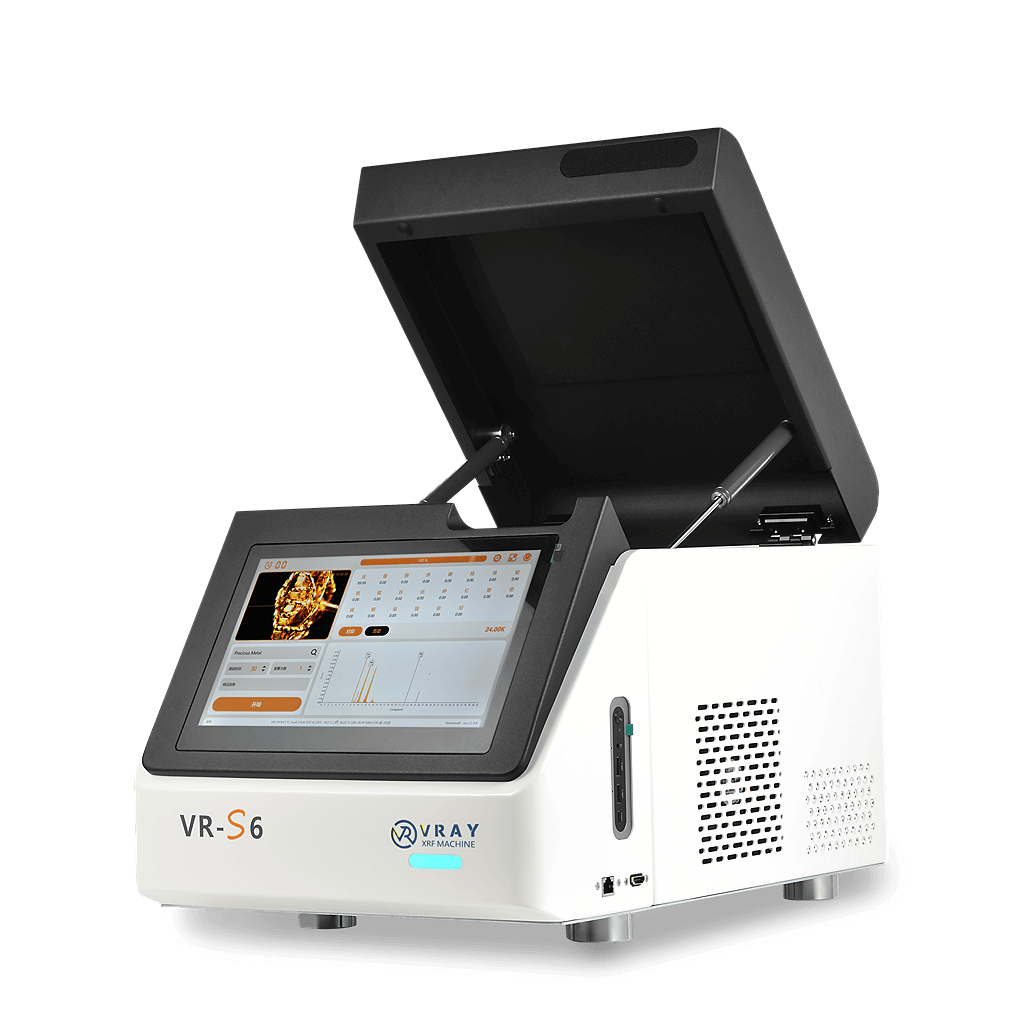
PRECIOUS METAL ANALYZER
VRAY Precious Metals Analyzer which has high sensitivity and resolution for accurate identification of precious metals, ensuring quality craftsmanship.
COATING THICKNESS ANALYZER
VRAY coating thickness analyzer is a device that uses energy dispersive X-ray fluorescence technology to analyze the composition and thickness of coatings.
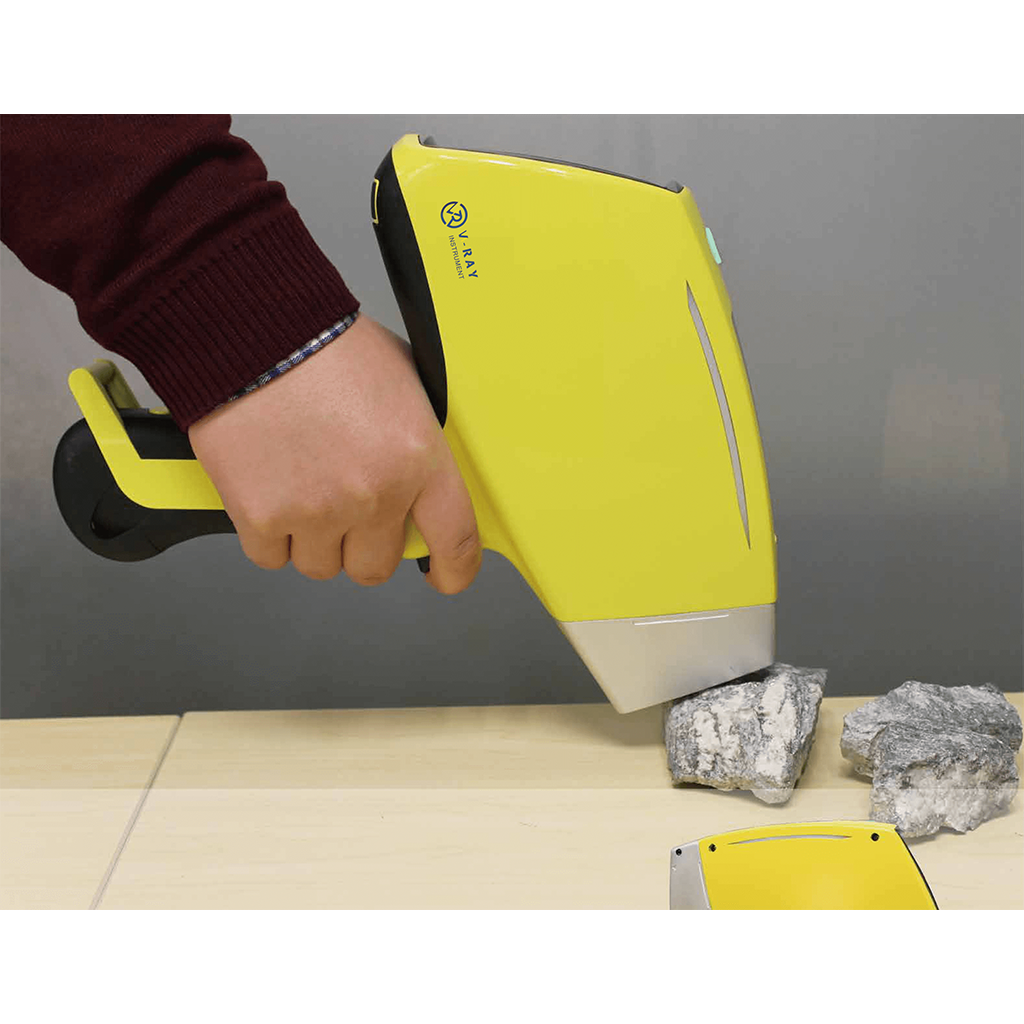
Ores and Powder Analyzers
VRAY XRF Ores and Powder Analyzers provide rapid, accurate, and non-destructive elemental analysis for mining, geology, and industrial applications.
Explore articles on gold testing and material analysis machines, offering insights into XRF technology, industry trends, and best practices. Our blog covers tips, case studies, and expert guidance to help jewelers, refiners, and labs optimize accuracy, efficiency, and reliability in precious metal and material testing applications.
How Gold Testing Machines Empower Pawn Shops in 2025
Gold testing machines ensure accuracy, speed, and trust in pawn shops. Discover how these tools empower businesses to stay competitive in 2025.
Does an XRF analyzer find Rhenium?
An XRF analyzer can detect Rhenium by identifying its unique X-ray signals, even in alloys or trace amounts, ensuring precise and non-destructive analysis.
Comparing Non-Destructive and Destructive Testing for Metals
Compare destructive testing and non-destructive metal analysis to understand their benefits, limitations, and applications for reliable metal testing.
What Are X-Ray Fluorescence Spectrometers and How Do They Work
An X-Ray Fluorescence Spectrometer analyzes materials by detecting fluorescent X-rays emitted when a sample is excited by high-energy X-rays.
How to Choose the Best Precious Metal Analyzer for Your Needs
Find the best precious metal analyzer for accurate testing of gold, silver, and platinum. Learn key features like portability, precision, and durability.
How XRF Spectrometers Ensure Precise Metal Testing
XRF spectrometers provide precise, non-destructive metal testing, ensuring accuracy in industries like jewelry, mining, and recycling with fast, reliable results.
How to Use an XRF Gold Tester for Precise Gold Analysis
Learn how to use an XRF gold tester for precise gold analysis. Follow steps for cleaning, calibration, and testing to ensure accurate and reliable results.
The Science of Precision: How XRF Spectrometers Master Precious Metal Coating Thickness Measurement
In industries where microns matter—jewelry plating, luxury watchmaking, or high-end electronics—the thickness of a precious metal coating isn’t just a detail; it’s a “critical quality metric”,Too thin, and your gold-plated product tarnishes prematurely. Too thick, and material costs spiral out of control. Enter X-ray Fluorescence (XRF) Spectrometers : the non-destructive, rapid solution for flawless coating analysis. This blog explains how XRF technology revolutionizes precious metal coating thickness measurement, ensuring quality, compliance, and profitability for your business. — Why Coating Thickness Matters From 18K gold-plated jewelry to rhodium-coated silverware, precise plating ensures: – Durability: Adequate thickness prevents wear and corrosion. – Aesthetic Consistency: Uniform coatings avoid patchy discoloration. – Cost Control: Optimizing material use saves thousands in precious metals. – Regulatory Compliance: Meet ISO 3497, ASTM B568, or customer-specific standards. Traditional methods like cross-sectional microscopy or electrochemical testing are slow, destructive, and impractical for high-volume workflows. — How XRF Spectrometers Measure Coating Thickness XRF analyzers use low-energy X-rays to excite atoms in the coating and substrate. By measuring the fluorescent signals, the device calculates: 1. Coating Thickness: From 0.01 µm to 50+ µm, depending on material. 2. Composition: Verify if the coating is pure gold, gold alloy, or a counterfeit blend. 3. Multi-Layer Analysis: Detect complex structures (e.g., nickel undercoat + gold top layer). All this happens in seconds, without scratching or damaging the sample. — Five Reasons XRF is the Ultimate Coating Thickness Tool 1️⃣ Non-Destructive, Non-Contact Testing – Preserve finished products: No cutting, polishing, or chemical exposure. – Ideal for delicate items like antique jewelry or micro-electronics. 2️⃣ Speed Meets Precision – Measure 100+ items per hour with ±0.1 µm accuracy. – Instant results enable real-time quality control on production lines. 3️⃣ Cost-Saving Material Optimization – Prevent over-plating: A 0.5 µm reduction in gold coating can save **$10,000+ per kilogram** of gold used. – Catch under-plating early to avoid recalls or customer disputes. 4️⃣ Multi-Layer and Alloy Analysis – Analyze bi-layer or tri-layer coatings (e.g., Ni-Pd-Au in electronics). – Detect impurities (e.g., cobalt in gold plating) that affect durability. — Real-World Applications – Jewelry Manufacturing: Ensure gold or rhodium plating meets luxury brand specs. – Electronics: Verify palladium or silver coatings on connectors for conductivity. – Luxury Watches: Maintain consistent gold plating on watch bezels. – Recycling: Accurately value gold-plated scrap without stripping layers. — Choosing the Right XRF for Coating Analysis Look for these features: – High-Resolution Detector: Resolve thin coatings (<0.1 µm) with clarity. – Multi-Layer Software: Handle complex coating stacks. – Small-Spot X-Ray Collimation: Analyze tiny components (e.g., watch screws). – Portability: Handheld models for on-site supplier checks or factory audits. — Conclusion: Elevate Quality, Slash Costs In a world where perfection is expected and margins are tight, XRF spectrometers transform coating thickness measurement from a bottleneck into a competitive advantage. By marrying precision with practicality, this technology empowers businesses to: – Deliver flawless products that build brand loyalty. – Optimize precious metal usage without compromising quality. – Stay audit-ready in regulated markets. At VRAY, our
In the realm of elemental analysis, X-ray Fluorescence (XRF) spectrometers are indispensable tools. However, not all XRF technologies offer the same capabilities. Energy Dispersive XRF (ED-XRF) and Wavelength Dispersive XRF (WD-XRF) cater to distinct applications, each excelling in specific scenarios. For businesses investing in precision analysis, understanding these differences is key to choosing the right tool for your needs. This blog explores the unique strengths of ED-XRF spectrometers and how their applications differ from WD-XRF—helping you make an informed decision for your industry. ED-XRF 101: Speed, Portability, and Versatility ED-XRF spectrometers identify elements by measuring the energy of X-rays emitted from a sample when it is excited by a primary X-ray beam. Unlike WD-XRF, which uses crystals to separate wavelengths, ED-XRF relies on semiconductor detectors (e.g., silicon drift detectors) to simultaneously capture a broad spectrum of elements. This design offers: Rapid multi-element analysis (with tests completed in seconds). Compact, portable designs for field use. Lower operational costs with minimal maintenance. Key Applications of ED-XRF 1️⃣ Mining and Geology Rapid on-site ore grading for metals like copper, zinc, or nickel. Real-time analysis of soil and rock samples in exploration and mining. Why ED-XRF? Portability and speed are critical in remote mining sites. 2️⃣ Environmental Monitoring Screening for toxic heavy metals (lead, arsenic, mercury) in soil, water, or air filters. Compliance testing for EPA, RoHS, or REACH regulations. Why ED-XRF? Field-deployable units enable immediate contamination checks. 3️⃣ Electronics and Manufacturing Verifying solder alloys or coating thicknesses on PCBs. Ensuring compliance with halogen-free or conflict mineral regulations. Why ED-XRF? Non-destructive testing preserves delicate components. 4️⃣ Scrap Metal Recycling Sorting mixed scrap metals, such as distinguishing between stainless steel grades 304 and 316. Detecting tramp elements (e.g., copper in aluminum scrap). Why ED-XRF? High-speed analysis maximizes throughput at recycling yards. 5️⃣ Consumer Goods and Jewelry Testing precious metal purity (gold, silver) without damaging items. Identifying counterfeit materials in luxury goods. Why ED-XRF? Combines non-destructiveness with affordability. WD-XRF: Precision for Lab-Based Demands WD-XRF uses diffraction crystals to isolate specific wavelengths, achieving higher spectral resolution than ED-XRF by separating X-ray wavelengths more precisely. Ultra-trace element detection (ppm to ppb levels). Complex matrix samples (e.g., ceramics, glass, or high-purity metals). R&D and advanced material science. Typical WD-XRF Applications Analyzing light elements (e.g., boron, carbon) in alloys. Quality control in semiconductor or aerospace industries. Certification of reference materials for laboratories. ED-XRF vs. WD-XRF: Choosing the Right Tool Factor ED-XRF WD-XRF Speed Seconds per test Minutes per test Portability Handheld/benchtop models available Lab-bound, large systems Cost Lower upfront and operational costs Higher investment and maintenance Detection Limits ppm to % levels ppb to ppm levels Element Range Heavier elements (Z > 11) Light to heavy elements (Z > 5) Best For Field testing, rapid screening, SMEs High-precision R&D, regulated industries Why ED-XRF Dominates Field and Industrial Applications For most industries outside advanced labs, ED-XRF strikes the perfect balance: On-the-Spot Decisions: Test materials at mines, factories, or retail counters without sending samples to labs. Cost Efficiency: No need for expensive lab infrastructure or specialized operators. Adaptability: From checking jewelry karat to sorting construction scrap, one device serves
Smart Investment, Bigger Profits: How XRF Spectrometers Save Costs in Precious Metals Testing
In the jewelry and precious metals industry, every gram of gold, silver, or platinum counts. Yet, outdated testing methods—like acid assays often lead to hidden costs, wasted materials, and missed opportunities. For businesses aiming to maximize margins while ensuring quality, XRF spectrometers aren’t just a technological upgrade—they’re a strategic financial decision. This blog breaks down why XRF technology is a cost-effective powerhouse for businesses and how it transforms metal testing from an expense into a profit driver. The Hidden Economics of Traditional Testing Before investing in modern tools, many businesses rely on methods that drain resources: -Destructive Sampling: Filing or melting items to test purity destroys sell-able inventory. – Labor-Intensive Processes: Manual testing consumes hours of skilled labor. – Error Risks: Misjudging purity can result in overpaying for impure metals or undervaluing scrap. – Regulatory Penalties: Non-compliance with purity standards may lead to fines or reputational damage. These “invisible” costs add up quickly. For example, damaging a single 24K gold necklace during testing could mean losing hundreds of dollars in resale value. XRF Spectrometers: The Budget-Friendly Game Changer XRF (X-ray Fluorescence) technology addresses these challenges head-on by combining accuracy, speed, and non-destructive analysis. Here’s how it delivers tangible financial benefits: 1. Zero Material Loss = Higher Profits XRF spectrometers analyze metals without scratching or melting them. This means: – Preserve Inventory: Test finished jewelry, coins, or heirlooms without devaluing them. – Maximize Scrap Value: Accurately assess mixed batches of scrap metals to negotiate fair prices. – Reduce Waste: Eliminate the need to destroy samples for quality checks. For a mid-sized jewelry workshop, this could save $10,000+ annually in recovered materials alone. 2. Slash Labor Costs and Speed Up Transactions Traditional testing might take 30 minutes per item. With XRF: – Instant Results: Analyze purity, alloy composition, and coatings in 10 seconds. – One-Person Operation: Minimal training required—free up staff for revenue-generating tasks. – Faster Turnarounds: Test items during customer interactions to close deals on the spot. Imagine testing 100 items daily: XRF saves 50+ hours of labor per week compared to manual methods. 3. Compliance Without the Headache Failing to meet industry standards (e.g., LBMA, ISO 11426) can lead to fines or lost contracts. XRF devices: – Automate Compliance: Pre-loaded settings for karat analysis and regulatory thresholds. – Generate Audit-Ready Reports: Export data with timestamps and tags for due diligence. Case Study: A Pawnshop’s ROI Journey A jewelry pawnshop in Dubai invested in a handheld XRF spectrometer. Within 6 months: – Reduced material loss by 18% by eliminating destructive tests. – Increased customer traffic 30% by offering “instant purity certificates.” – Cut testing labor costs by $8,000 annually. The device paid for itself in under 5 months. Affordable Entry, Long-Term Value Modern XRF spectrometers are no longer exclusive to large factories. With options like: – Compact Handheld Models : Priced for small businesses, yet robust enough for daily use. – Low Maintenance : Solid-state designs with no consumables (unlike acid test kits). Conclusion: Turn Testing into a Profit Center For

Precision and Profit: How Advanced XRF Analyzers Transform Precious Metals Testing
In the world of precious metals, even a tiny change in purity can mean thousands of dollars in profit or loss. Accuracy is essential. For jewelers, refiners, and bullion traders, being able to quickly check gold karat, spot fake alloys, or meet international standards is a must. That’s where XRF (X-ray Fluorescence) analyzers come in—they are the top choice for modern, non-destructive metal testing. This article explains why today’s XRF technology is crucial for professionals and how it meets the unique needs of the precious metals industry. The High Costs of Poor Metal Testing Counterfeiters are becoming more advanced, using tricks like gold-plated tungsten bars or silver with a thin rhodium layer. Older testing methods such as acid tests or fire assays have several problems: Damage: They can harm or destroy valuable items. Delays: The process is slow, which can delay transactions. Errors: Relying on human judgment may lead to mistakes and expensive disputes. XRF analyzers solve these issues by providing lab-quality accuracy in seconds—all without damaging your items. Why XRF is the Best Tool for Precious Metals Testing Accurate Karat Verification and Alloy Analysis Modern XRF analyzers can detect elements like gold and platinum, as well as tiny amounts of impurities such as cadmium or lead. They work well for: Jewelry: Confirming the gold’s karat (18K, 22K, or 24K). Coins and Bullion: Identifying fake coins filled with tungsten. Recycled Scrap: Determining the value of mixed-metal batches. Special calibration settings ensure your results meet international standards. Non-Destructive Testing XRF uses X-rays that only penetrate a few microns into the metal. This allows you to: Check surface coatings like gold plating. See how uniform the alloy is. Detect hidden impurities in antique or heirloom pieces. This method protects valuable items while giving clear, reliable results. Fast and Compliant In a busy trading environment, speed is key. XRF analyzers: Provide results in 10 seconds or less. Produce ready-to-use certificates with timestamps and location details. Help you meet industry regulations and standards. Future-Proof Your Business With regular software updates and cloud connectivity, modern XRF analyzers can easily adapt to: New types of alloys. Stricter environmental rules. New traceability requirements, such as those based on blockchain technology. Case Study: Boosting Profits with XRF A gold refinery in Saudi Arabia reduced material loss by 23% after switching to XRF technology. By quickly identifying low-karat scrap and improving their melting process, they saved thousands each year—earning back their investment in just six months. Choosing the Right XRF Analyzer: What to Look For Not all XRF devices are the same. When choosing one, consider models with: High-Resolution Detectors: To tell similar elements apart (like platinum vs. palladium). Pre-Loaded Metals Libraries: With common karat and alloy profiles to simplify testing. Rugged Design: Such as some handheld units for on-site use in tough conditions. Regulatory Certification: To meet your region’s standards and regulations. Conclusion: Improve Trust, Efficiency, and Profit In an industry where trust is key, XRF analyzers help you: Make decisions based on clear, data-driven results.
ISTANBUL – October 10, 2025 – Following its prominent appearance in Hong Kong, VRAY Instrument Limited continued its global exhibition tour with an impactful participation
HONG KONG – September 25, 2025 – VRAY Instrument Limited, a specialized manufacturer of XRF Spectrometers and precious metal analyzers, is pleased to announce its
The right way to maintain an XRF machine is to keep it clean, well-ventilated, and regularly calibrated while following the manufacturer’s operating guidelines and scheduling
Our blog provides in-depth expert knowledge on XRF spectrometers, covering principles, applications, and practical tips for accurate material and precious metal analysis. Readers can explore case studies, technical insights, and guidance on optimizing performance, helping professionals make informed decisions when selecting or using XRF instruments. From calibration techniques to troubleshooting, the blog is a valuable resource for both beginners and experienced users.
n In this blog section, the VRAY VR-S6 XRF Analyzer is the most referenced instrument, recognized for setting industry standards in precision and reliability. Cited in numerous articles, it exemplifies excellence in precious metal and material testing, showcasing why professionals worldwide rely on VRAY for accurate analysis, consistent results, and trusted performance across jewelry, refining, and laboratory applications.
CONTACT US FOR EXPERT CONSULTATION
*We respect your confidentiality and all information is protected.