











blog-bg

Gold Testing & Material Analysis Machine Articles

Explore articles on gold testing and material analysis machines, offering insights into XRF technology, industry trends, and best practices. Our blog covers tips, case studies, and expert guidance to help jewelers, refiners, and labs optimize accuracy, efficiency, and reliability in precious metal and material testing applications.

XRF Analyzers: The Secret Weapon for Jewelers and Precious Metals Traders

In the fast-paced world of jewelry making, gold trading, and precious metals recycling, accuracy and efficiency are non-negotiable. Whether you’re verifying the purity of a vintage gold necklace, assessing a client’s heirloom silverware, or negotiating a bulk gold purchase, one cutting-edge tool is revolutionizing the industry: X-ray Fluorescence (XRF) Spectrometers. Let’s explore how this technology can empower your business and elevate trust with your clients. What is an XRF Spectrometer? An XRF analyzer is a handheld or benchtop device that uses X-rays to determine the chemical composition of materials—without damaging them. When the X-rays hit a sample, they cause its atoms to emit unique fluorescent signals. By measuring these signals, the device identifies elements (like gold, platinum, silver) and their concentrations in seconds. For jewelers and precious metals traders, this means instant, reliable answers to critical questions: Is this 18K gold ring authentic? Does this antique coin contain the claimed percentage of platinum? Why XRF is a Game-Changer for Your Business 1️⃣ Non-Destructive Testing Say goodbye to filing, scraping, or acid tests that mar delicate items. XRF analyzers leave jewelry, coins, and artifacts completely intact, preserving their value and aesthetics. 2️⃣ Speed and Precision In under 10 seconds, an XRF device can: Measure gold purity (karat) with lab-grade accuracy. Detect counterfeit metals (e.g., tungsten-filled gold bars). Identify alloy compositions in recycled scrap. This speed lets you test items on the spot during transactions, boosting customer confidence and closing deals faster. 3️⃣ Unmask Hidden Risks Fraudsters are getting smarter. For example, gold-plated tungsten or rhodium-coated silver can fool traditional tests. XRF penetrates surface layers to reveal the true composition, protecting your profits and reputation. 4️⃣ Versatility Beyond Gold XRF analyzers work seamlessly across precious metals (Au, Ag, Pt, Pd) and even detect hazardous elements like lead or cadmium in imported jewelry—a growing concern for regulatory compliance. Real-World Applications for Jewelers and Traders Quality Control: Verify purity of incoming raw materials or finished pieces. Scrap Evaluation: Accurately price gold/silver scrap by exact metal content. Authentication: Confirm antique jewelry or rare coins aren’t clever forgeries. Customer Transparency: Show clients real-time test results to build trust. Debunking Myths About XRF Technology Myth: “XRF devices are complicated.” Truth: Modern analyzers are user-friendly, with intuitive touchscreens and pre-loaded settings for common tasks like karat analysis. Myth: “They’re only for big labs.” Truth: Compact, portable models are perfect for storefronts, pawnshops, or on-site appraisals. Myth: “Radiation is a concern.” Truth: Safety features ensure exposure is negligible—well below regulatory limits. Choosing the Right XRF Analyzer When selecting a device, prioritize: Elemental Range: Ensure it covers all precious metals you handle. Calibration Options: Look for karat-specific modes (e.g., 14K, 18K gold). Data Reporting: Generate shareable certificates for clients or audits. Conclusion: Stay Ahead in a Competitive Market In an industry where margins depend on trust and precision, XRF spectrometers are no longer a luxury—they’re a necessity. By investing in this technology, you’ll: Reduce costly errors. Streamline operations. Position your brand as a trusted, tech-savvy expert. Ready to see the difference? [Contact us] today to explore XRF solutions tailored to
XRF Gun – Handheld XRF Analyzer for Gold Analysis

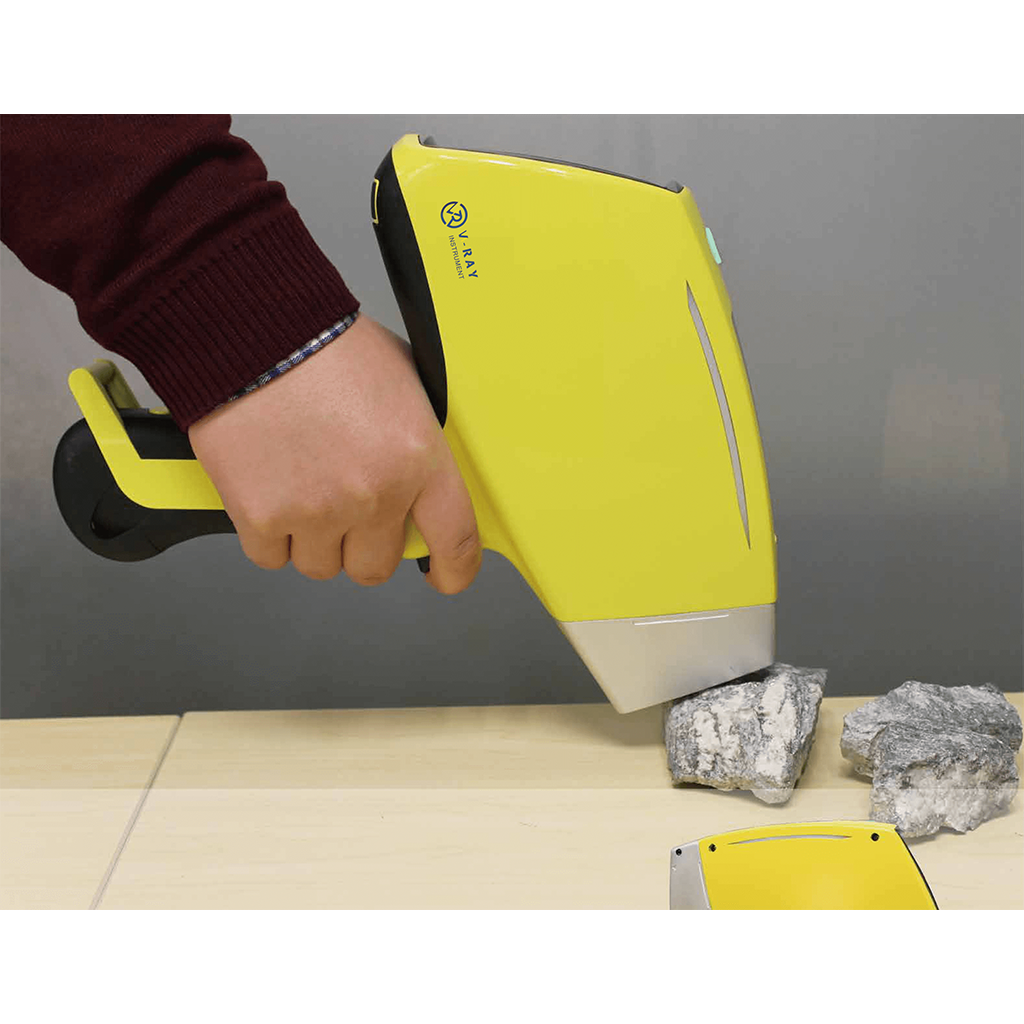
In the world of precious metals, accuracy and efficiency are paramount. Whether you’re a jeweler, a gold trader, or a mining professional, having the right tools to test and verify gold purity is crucial. Enter the handheld XRF analyzer, often referred to as an “XRF gun,” a cutting-edge device designed to simplify and enhance gold analysis. What is an XRF Gun? An XRF gun is a handheld X-ray fluorescence (XRF) analyzer that uses advanced technology to test the composition and purity of metals. These devices are lightweight, portable, and equipped with state-of-the-art sensors to deliver precise results in seconds. The XRF gun is widely used in industries where on-the-spot metal analysis is essential. Key Features of Handheld XRF Analyzers for Gold Analysis 1. High Accuracy Handheld XRF analyzers are engineered to provide highly accurate measurements. Advanced models can detect gold purity levels with an accuracy of up to 0.03%, ensuring reliability in every reading. 2. Non-Destructive Testing The XRF gun’s non-invasive technology ensures that your samples remain intact, making it ideal for testing valuable gold items like jewelry, coins, and bars without causing any damage. 3. Portable and Convenient Weighing only a few kilograms, these handheld devices are easy to carry and use in various environments—from jewelry stores to mining sites. 4. Fast Results With a test speed of just a few seconds, XRF analyzers enable professionals to make quick decisions, saving both time and resources. 5. Multi-Element Analysis Besides gold, XRF guns can analyze multiple elements simultaneously, including silver, platinum, and other precious metals. This comprehensive analysis ensures the authenticity of mixed alloy compositions. Applications of XRF Guns in Gold Analysis 1. Jewelry Industry Jewelers use XRF analyzers to authenticate gold and determine its karat value. This not only builds customer trust but also ensures compliance with industry standards. 2. Gold Trading Traders rely on XRF guns to verify gold purity during transactions, reducing the risk of fraud and increasing transparency. 3. Mining and Exploration In mining operations, handheld XRF analyzers help identify gold deposits quickly and accurately, streamlining exploration efforts. 4. Recycling Industry Recyclers use these devices to analyze and sort gold from electronic waste or scrap metals, enhancing the efficiency of precious metal recovery. Why Choose a Handheld XRF Analyzer for Gold Testing? Ease of Use Modern XRF guns come with user-friendly interfaces and touchscreens, making them accessible even for non-experts. Cost-Effectiveness Investing in a handheld XRF analyzer can save significant costs over time by reducing the need for external lab testing. Compliance and Certification Many XRF analyzers meet international testing standards, providing reports that are valid for certifications and audits. Tips to Optimize Your XRF Analyzer Usage Calibrate Regularly: Ensure your device is calibrated according to the manufacturer’s guidelines for optimal accuracy. Understand Limitations: While XRF analyzers are powerful, they may have limitations in detecting extremely thick gold coatings. Maintain Proper Storage: Protect your XRF gun from extreme temperatures and moisture to extend its lifespan. Choose the Right XRF Gun for Your Needs At VRAY Instrument

Why Is the Price of an XRF Gold Analyzer Much Higher Than Other Types of Gold Testers

Gold testing is a vital process for jewelers, investors, and businesses dealing in precious metals. Among the various tools available, XRF (X-Ray Fluorescence) analyzers stand out for their exceptional accuracy and advanced functionality. However, their price is significantly higher compared to other gold testing methods. What drives this cost? The answer lies in the high technology and sophisticated principles behind XRF analyzers. 1. Advanced Principle: The Science of X-Ray Fluorescence XRF analyzers operate on the principle of X-Ray Fluorescence. When a sample is exposed to high-energy X-rays, its atoms emit secondary (or fluorescent) X-rays. Each element emits a unique set of X-rays based on its atomic structure. The XRF analyzer captures these signals and processes them to determine the composition of the material. This method is not only precise but also allows the analyzer to detect multiple elements simultaneously. Unlike other testing methods that may rely on chemical reactions or surface properties, XRF directly analyzes the atomic structure of the material. This advanced principle ensures unmatched accuracy and reliability in gold purity testing. 2. Cutting-Edge Detector Technology A critical component of the XRF analyzer is its detector, which captures the emitted X-rays. Advanced detectors, such as Silicon Drift Detectors (SDDs) or Gas Proportional Counter Detectors, provide high sensitivity and resolution. For instance, models like the VR-T9 from VRAY Instrument Limited utilize a Fast-SDD detector to deliver accurate results even for 99999 gold. These detectors are highly specialized and require precise manufacturing processes, significantly contributing to the overall cost of the device. 3. High-Resolution Elemental Analysis XRF analyzers excel in detecting not only gold but also other elements in an alloy, such as silver, platinum, palladium, and even trace amounts of lead or cadmium. This comprehensive analysis is vital for industries that demand precise knowledge of material composition. The technology behind this capability is highly advanced. It involves calibrations, energy-dispersive systems, and software algorithms that translate raw data into actionable results. This level of sophistication sets XRF analyzers apart from simpler tools like acid test kits, which can only provide a rough estimate of gold purity. 4. Non-Destructive and Contact-Free Testing The principle of X-Ray Fluorescence also enables non-destructive testing (NDT). Unlike acid tests that risk damaging or leaving marks on valuable gold items, XRF analyzers perform their analysis without altering or harming the sample in any way. This is particularly crucial for testing high-value jewelry, coins, or antiques, where maintaining the item’s integrity is paramount. The incorporation of NDT technology requires advanced engineering and rigorous testing to ensure that the device is both accurate and safe, adding to the development and manufacturing costs. 5. Speed and Efficiency Powered by Innovation XRF analyzers deliver precise results within seconds, a feat made possible by their advanced electronics and software systems. They feature intuitive interfaces, built-in computers, and even automated calibration for ease of use. For example, the VR-T6 model integrates an inbuilt computer and screen, providing a seamless user experience and lightning-fast analysis. This level of innovation streamlines workflows and enhances productivity,

How the Uniformity of the Sample’s Composition Affects XRF Analyzer Accuracy

When using an X-ray fluorescence (XRF) analyzer to measure the composition of a material, achieving accurate results relies on multiple factors. One of the most critical yet often overlooked factors is the uniformity of the sample’s composition. The homogeneity, or lack thereof, can significantly influence the analyzer’s ability to provide precise and reliable readings. Understanding Sample Homogeneity Homogeneity refers to the even distribution of elements within a sample. A homogeneous sample has a consistent composition throughout, ensuring that any part of the material accurately represents the whole. In contrast, heterogeneous samples have uneven distributions, with some areas containing higher concentrations of certain elements compared to others. Why Sample Uniformity Matters in XRF Analysis XRF Testing Mechanism XRF analyzers work by irradiating the sample with X-rays, which excite the atoms in the material. These atoms then emit secondary X-rays (fluorescence) that the analyzer detects to determine the sample’s elemental composition. The area irradiated by the X-ray beam represents only a small portion of the sample. If the composition varies significantly across the sample, the results will reflect the specific area tested rather than the material as a whole. Impact on Measurement Accuracy Homogeneous Samples: These allow for consistent and repeatable measurements since any portion of the material will have a similar composition. Heterogeneous Samples: Variations in composition lead to discrepancies between measurements, reducing accuracy and reliability. For example, in precious metal alloys, uneven mixing of gold, silver, or other elements can produce misleading results about purity. Detection Challenges for Thin Coatings For samples with thin coatings or layered structures, uneven thickness or inconsistent coverage can further complicate measurements. The XRF analyzer may detect varying intensities of fluorescence, leading to inaccurate assessments of coating thickness or material composition. Tips for Improving Accuracy with Heterogeneous Samples To minimize the impact of sample heterogeneity on XRF analysis: Prepare the Sample Properly: Grinding, polishing, or melting can help make the material more uniform. For powders, sieving ensures consistent particle sizes. Increase Sampling Area: Use XRF analyzers with larger spot sizes or average results from multiple points to account for variability. Use Advanced Equipment: Models like the VRAY XRF analyzers are designed with high sensitivity and precision to handle challenging samples. For instance, the VR-T9 features fast analysis and high accuracy, making it suitable for both homogeneous and moderately heterogeneous samples. Verify Results: Cross-check results with multiple tests or complementary methods, such as chemical assays, to ensure reliability. Conclusion Sample uniformity plays a pivotal role in XRF analysis accuracy. While XRF analyzers are powerful tools, they rely on a consistent sample composition to deliver precise results. By understanding and addressing the challenges posed by heterogeneous materials, users can optimize their analysis process and make better-informed decisions. Investing in advanced XRF analyzers and following best practices for sample preparation can help ensure accurate measurements, even with complex or inconsistent materials. Whether analyzing precious metals or industrial alloys, consistency is the key to unlocking the full potential of XRF technology.

A Beginner’s Guide to Understanding XRF Technology

In today’s industrial landscape, X-ray fluorescence (XRF) technology is a powerful tool for analyzing the composition of materials. Whether you’re in jewelry, recycling, mining, or environmental sciences, XRF offers a non-destructive, accurate, and efficient way to determine elemental composition. If you’re new to XRF, this guide will break down what XRF technology is, how it works, and where it’s used. What is XRF Technology? X-ray fluorescence (XRF) is an analytical technique used to determine the elemental composition of materials. It works by exciting atoms within a sample with X-rays, causing them to emit secondary (or fluorescent) X-rays. These emitted X-rays are unique to each element, allowing the XRF analyzer to identify and quantify the elements within the sample. How Does XRF Technology Work? X-ray Emission: When an XRF analyzer is activated, it emits a stream of X-rays that strike the sample. These high-energy X-rays knock out electrons from the inner shells of atoms within the sample, creating vacancies. Fluorescent X-ray Production: To fill these vacancies, electrons from higher-energy outer shells fall into the inner shells. As they do so, they release energy in the form of fluorescent X-rays, which have characteristic wavelengths unique to each element. Detection and Analysis: The XRF analyzer detects these fluorescent X-rays and uses their energy signatures to identify which elements are present and at what concentrations. The beauty of XRF technology lies in its speed and accuracy—results are available in seconds and provide detailed information about the sample’s elemental composition without damaging it. Key Components of an XRF Analyzer X-ray Tube: This generates the X-rays that excite the atoms in the sample. Detector: The detector captures the fluorescent X-rays emitted by the sample and records their energy and intensity, which are then processed to determine the elements present. Software: Modern XRF analyzers come with software to display, analyze, and store the data, offering features like reporting and data export. Types of XRF Analyzers There are two primary types of XRF analyzers: handheld and benchtop. Handheld XRF Analyzers: Portable and lightweight, handheld XRF analyzers are ideal for field testing and on-site analysis. They’re widely used in industries like mining, recycling, and environmental science for rapid results. Benchtop XRF Analyzers: These are larger, stationary devices typically used in laboratories or manufacturing facilities where more detailed analysis is required. They provide higher accuracy and are suitable for testing a wide variety of sample types. Applications of XRF Technology XRF technology has applications across numerous industries. Here are a few examples: Jewelry and Precious Metals: XRF is commonly used to verify the purity of gold, silver, and other precious metals without damaging the jewelry. This is crucial for both quality control and authenticity verification. Mining and Geology: XRF helps geologists analyze the mineral content of rocks and ores on-site, aiding in the exploration and evaluation of mining resources. Recycling and Scrap Sorting: XRF is used to sort metals and alloys in recycling facilities, enabling precise sorting that maximizes the value of recyclable materials. Environmental Science: XRF analyzers help detect

Why is the XRF Gold Analyzer More Expensive Than Other Gold Testers?

Gold testing has become an essential process for jewelers, refiners, and even individual investors looking to verify the purity of gold. While there are multiple methods available for testing gold, the XRF (X-ray fluorescence) gold analyzer stands out as one of the most accurate and reliable options. However, it is also known to be more expensive than other traditional testing methods. So, what justifies the higher price tag? Let’s explore why an XRF gold analyzer is worth the investment. 1. Unmatched Accuracy Accuracy is a critical factor when testing precious metals like gold. Unlike other methods that may only give an estimate of the purity, an XRF gold analyzer provides precise measurements of the metal’s composition. This is especially important when you are dealing with high-value assets. Even slight variations in purity can make a significant financial difference. Most traditional testers can indicate whether a sample is likely real gold, but they often struggle to differentiate between purities such as 14k, 18k, or 24k. XRF analyzers, on the other hand, can accurately measure the gold content, often with accuracies up to 0.03%, ensuring that you get exact results. This level of precision is crucial for businesses dealing with large volumes of gold or those requiring complete confidence in their results. 2. Elemental Analysis One of the defining features of XRF technology is its ability to perform elemental analysis. XRF analyzers are not limited to just testing gold purity. They can identify and quantify all elements present in a sample. This means that not only can they tell you how much gold is in a sample, but they can also detect other metals such as silver, copper, nickel, and palladium that might be present. This capability is essential in today’s world, where gold is often alloyed with other metals. Traditional methods, such as acid tests or electronic testers, simply cannot match this level of detail. Acid testing might indicate if a metal is gold, but it won’t reveal the exact alloy composition. XRF technology, in contrast, offers comprehensive data that’s invaluable for industries requiring in-depth knowledge of their materials. 3. Non-Destructive Testing Another significant advantage of an XRF analyzer is that it conducts tests without damaging the sample. Non-destructive testing (NDT) ensures that the gold remains intact and unharmed, which is especially important for valuable or delicate items like antique jewelry or coins. Other gold testing methods, such as the scratch and acid test, involve physically altering the sample, which may affect its resale value or appearance. Investing in an XRF analyzer allows you to confidently test without compromising the integrity of the item, making it particularly popular among collectors, pawn shops, and auction houses. 4. Fast and Easy Operation Time is money, and the speed of testing is crucial in industries with high turnover rates. XRF analyzers offer rapid testing, often providing results in under a minute. Compared to traditional methods, which may require multiple steps or waiting for chemical reactions, XRF provides a much faster alternative. The machine’s user-friendly

Are the XRF Gold Testing Machines Accurate?

When it comes to determining the purity and composition of gold, accuracy is everything. Whether you’re a jeweler, a precious metals trader, or an appraiser, knowing the exact content of gold items is critical for assessing their true value. This is where XRF gold testing machines come into play, offering a non-destructive and rapid method to analyze gold and other precious metals. But the question on everyone’s mind is: Are XRF gold testing machines really accurate? Let’s dive into what makes these machines effective, their level of accuracy, and the factors that can influence their precision. How Do XRF Gold Testing Machines Work? XRF (X-ray Fluorescence) technology is based on the principle that when materials are exposed to high-energy X-rays, they emit secondary (or fluorescent) X-rays. Each element has a unique fluorescent signature, and by analyzing these signatures, the XRF machine can determine the elements present in the material being tested, including gold. In the case of gold, an XRF analyzer can detect the different elements that may be alloyed with the gold, such as silver, copper, or palladium. This allows the machine to determine the purity (karat level) of the gold item. What is the Accuracy of XRF Gold Testing Machines? In general, XRF gold testing machines are highly accurate, with precision that can often reach levels as high as 99% or more. High-quality XRF analyzers can detect the composition of gold down to parts per million (ppm) and can analyze multiple elements simultaneously. For example, some models can analyze up to 20 elements in one test, providing a detailed breakdown of the alloy composition. The key factors contributing to the accuracy of these machines include: Advanced Detectors: Modern XRF analyzers are equipped with state-of-the-art detectors, such as silicon drift detectors (SDD) or gas proportional counter detectors, which enhance the accuracy of readings. Calibration: Regular calibration of the machine using certified reference materials (CRM) ensures the highest level of accuracy. Test Conditions: Variables like surface cleanliness, sample preparation, and the thickness of coatings or plating can affect results, but most machines can compensate for these issues with proper settings. For example, the VR-T6 XRF analyzer from VRAY Instrument Limited is known for its remarkable precision, reaching accuracies of up to 0.03%, making it a preferred choice for professionals in the precious metals industry.       Factors That Influence the Accuracy of XRF Gold Testing Machines While XRF gold testing machines are generally accurate, several factors can impact their performance: Surface vs. Core Composition: XRF machines analyze the surface layer of the material being tested. If the item has a coating or plating, such as gold-plated jewelry, the XRF machine might only detect the surface metal and not the base material. Machines with specific coating thickness capabilities, like the XF-P3 XRF coating thickness analyzer, help address this by testing both the coating and the base metal.  Sample Preparation: Any contamination, dirt, or oxidation on the surface of the gold can affect the readings. Proper cleaning and preparation of the

XRF Gold Analyzers vs Traditional Gold Testing Methods: Pros and Cons

Gold testing is an essential process in industries such as jewelry, mining, and precious metals trading. The need for accurate, reliable, and efficient gold analysis has led to the development of various methods, each with its strengths and weaknesses. Among these methods, X-ray fluorescence (XRF) technology stands out for its speed and non-destructive testing, while traditional methods like acid tests and fire assays have been around for centuries. In this blog, we’ll compare XRF gold analyzers with traditional gold testing methods, weighing the pros and cons of each to help you understand which approach is best suited for different applications. XRF Gold Analyzers: A Modern Approach to Gold Testing X-ray fluorescence (XRF) gold analyzers use X-rays to determine the composition of a gold sample. When X-rays hit the sample, they cause the atoms to emit secondary (fluorescent) X-rays, which are characteristic of the elements present. The analyzer detects these X-rays and identifies the elements and their quantities in the sample, providing detailed results in just a few seconds. Pros of XRF Gold Analyzers: Non-Destructive Testing One of the biggest advantages of XRF gold analyzers is that they do not damage the sample. This is particularly important in industries like jewelry or rare coin trading, where preserving the integrity of the piece is crucial. Speed and Efficiency XRF analyzers provide results within seconds, making them ideal for applications where fast decision-making is needed, such as precious metals trading or quality control in jewelry manufacturing. Models like the VR-T6 XRF Analyzer offer high-speed testing with minimal user input. Multi-Element Analysis XRF technology can analyze not only gold but also other metals and elements present in alloys. This makes XRF analyzers versatile tools for identifying the composition of items containing gold mixed with other metals such as silver, copper, or platinum. Devices like the VR-X5 XRF Analyzer can test up to 20 elements in a single run. Ease of Use XRF analyzers are designed for ease of use, often with touch-screen interfaces and minimal setup. They do not require highly specialized training, making them accessible for jewelers, pawnbrokers, and even individuals who need quick, accurate gold testing. Portability Handheld models like the VR-H5 XRF Analyzer allow for on-the-spot testing in various locations, such as markets, auctions, or mining sites. This mobility makes XRF a versatile tool for those who need to perform testing outside of a lab environment. Cons of XRF Gold Analyzers: Upfront Cost XRF analyzers typically require a significant upfront investment, which may be prohibitive for small businesses or individuals. However, this cost is often offset by the efficiency, accuracy, and versatility of the machines. Limited Depth Penetration While XRF analyzers can detect elements on the surface of a sample, their ability to test deeper layers is limited. In cases where gold plating or thick coatings are present, the analysis might not reflect the true composition beneath the surface. Sensitivity to Light Elements XRF analyzers may struggle with detecting lighter elements such as hydrogen, carbon, or oxygen. This limitation is typically

The Importance of Identifying Ore Types for Accurate Spectrometer Analysis

Introduction: In the world of mineral analysis, the precision of results hinges on understanding the specific type of ore being examined. Spectrometers are powerful tools, but their effectiveness relies on how well we tailor their settings to the unique characteristics of each mineral sample. Why Specific Ore Matters: Unique Elemental Composition: Each type of ore contains a distinct combination of elements. For instance, gold ore might contain different trace elements compared to copper or iron ores. This variability means that the spectrometer must be calibrated differently to account for the unique absorption and emission spectra of each element present in the sample. Optimization of Spectrometer Settings: Knowing the specific ore allows technicians to optimize key settings on the spectrometer. This includes: Wavelength Selection: Different elements absorb and emit light at specific wavelengths. Selecting the right wavelengths for analysis ensures that the spectrometer can effectively detect and quantify the desired elements. Calibration Standards: Accurate calibration is critical. Using standards that match the ore type helps improve the correlation between the measured intensity and the concentration of elements. Improved Accuracy and Reliability: Tailoring the analysis to the specific ore results in higher precision. When the spectrometer settings are aligned with the characteristics of the ore, the likelihood of errors decreases significantly. This is especially important in industries like mining and metallurgy, where precise measurements can impact profitability and safety. Understanding Physical Properties: Different ores may have varying physical properties, such as particle size and texture, which can affect the scattering of light during analysis. Knowledge of the ore type allows for adjustments to be made, ensuring that the spectrometer provides accurate readings despite these variances. Application in Research and Development: For researchers developing new extraction methods or analyzing ore for processing, understanding the ore type is crucial. It helps in formulating hypotheses and interpreting results, leading to advancements in mining technology and resource management. Conclusion: Identifying the specific type of ore is not just a preliminary step in the analysis process; it’s a fundamental component that directly influences the accuracy and reliability of spectrometer measurements. By understanding the unique properties of each ore, professionals can ensure optimal results in mineral analysis, driving innovation and efficiency in the mining industry.

Why Is the Portable XRF Analyzer More Expensive Than the Desktop XRF Analyzer Despite Having the Same Configuration?

In the world of XRF (X-ray fluorescence) technology, both portable and desktop analyzers play a crucial role in testing the elemental composition of materials, especially in industries like precious metals, mining, and manufacturing. However, a common question arises when comparing these two types of analyzers: why is the portable XRF analyzer often more expensive than the desktop model, even when they share the same configuration and features? Let’s explore the factors behind this price difference and understand what sets portable XRF analyzers apart. 1. Engineering and Miniaturization One of the primary reasons for the higher cost of portable XRF analyzers lies in the engineering required to miniaturize the components. While a desktop XRF analyzer has ample space for its parts—such as the X-ray tube, detector, cooling systems, and electronics—portable models must house the same components in a much smaller package. This requires advanced design techniques and precision engineering to ensure the device remains lightweight, durable, and easy to handle while maintaining high accuracy. Achieving the same level of performance in a smaller device with fewer cooling resources and protective structures demands additional R&D investment, which is reflected in the cost. 2. Battery Power and Portability Features Unlike desktop XRF analyzers, which rely on stable power supplies, portable analyzers are equipped with rechargeable batteries that need to provide sufficient power for extended fieldwork without compromising performance. The incorporation of high-capacity batteries, energy-efficient circuitry, and specialized software to optimize battery life adds to the cost of portable models. In addition, portable devices often come with extra features like ergonomic design, rugged casing for outdoor use, water and dust resistance, and drop protection. These features are essential for making the analyzer field-ready but also increase the manufacturing costs. 3. Ruggedness and Durability Portable XRF analyzers are built to withstand harsher environments than their desktop counterparts. Whether they are used in mining sites, construction zones, or other demanding industrial environments, these analyzers must endure rough handling, temperature fluctuations, moisture, and even accidental drops. To ensure they remain functional in these challenging conditions, manufacturers use materials and technologies that provide extra durability, such as impact-resistant casings and reinforced internal components. This added ruggedness comes with an increased production cost, contributing to the higher price of portable models. 4. Versatility and Convenience Portable XRF analyzers are designed for versatility and convenience, allowing users to conduct tests in various locations without needing to return to a lab or testing facility. This level of flexibility can be invaluable for professionals who need real-time analysis on-site, such as in the jewelry industry, mining operations, or environmental testing. The ability to perform quick, accurate tests anywhere—whether in remote locations or on a factory floor—justifies the higher price, as this capability saves time and money in the long run. 5. Advanced Connectivity and Data Management Portable XRF analyzers often feature advanced connectivity options, such as Bluetooth, Wi-Fi, or cloud integration, allowing users to transmit data remotely. This is particularly useful in fieldwork, where data sharing with colleagues or off-site labs is

How Accurate is the XRF Gold Tester?

When it comes to testing the purity and composition of gold, precision is paramount, especially for industries like jewelry, finance, and manufacturing. Among the most widely used tools for this task is the XRF (X-ray fluorescence) gold tester. But how accurate is it, really? In this post, we’ll explore the accuracy of XRF gold testers and what factors contribute to their reliability. What is an XRF Gold Tester? An XRF gold tester uses X-ray fluorescence technology to analyze the composition of metals, including gold, by detecting the unique energy levels emitted by different elements when they are exposed to X-rays. This non-destructive testing method allows for fast and reliable results without damaging the sample. Accuracy Levels of XRF Gold Testers The accuracy of an XRF analyzer depends on several factors, including the model of the tester, the quality of the sample, and calibration. High-end models such as the VR-T5, VR-T6, and the VR-T7 XRF analyzers, often used in the precious metals industry, can achieve an accuracy level as high as 0.01%. XRF analyzers are especially accurate for higher-karat gold (such as 22K or 24K), where there is less variation in the alloy composition. For lower-karat gold or items that contain mixed metals, there may be slight variances in readings, but modern XRF testers are calibrated to minimize these discrepancies. Factors Influencing Accuracy 1. Sample Surface and Preparation The condition of the gold sample being tested plays a significant role in accuracy. For example, if the surface is dirty or oxidized, the readings might be affected. Some XRF analyzers are equipped with features to adjust for this, but proper sample preparation—such as cleaning the surface—can enhance accuracy. 2. Calibration An XRF gold tester requires periodic calibration using reference standards to maintain precision. This ensures that the readings are consistent and reliable. Most modern XRF analyzers, such as the VR-X3 or VR-X5, come with pre-calibrated software that auto-adjusts to the sample type, ensuring minimal human error. 3. Detection Limits Another aspect that influences accuracy is the detection limit of the XRF analyzer. Models with advanced detectors, like the VR-T7 with a Fast-SDD detector, can detect even trace amounts of elements, making them highly precise. However, the presence of elements in very small quantities can sometimes challenge even the best detectors, though this typically only affects extremely low concentration readings. 4. Testing Depth XRF analyzers measure the composition of the surface layer of the material. For gold-plated items or jewelry with coatings, the results will reflect only the surface composition. To mitigate this, some models like the VR-XAU coating thickness analyzer can measure both the surface coating and the underlying material, providing a more accurate assessment of the overall composition. Real-World Accuracy of XRF Gold Testers In practice, most XRF gold testers are accurate enough for most commercial and industrial applications. Jewelers, pawn shops, and refineries trust them to verify the purity of gold, and they are considered reliable enough for determining gold value in trade and investment. Conclusion XRF gold testers are

What’s the Difference Between a Density Meter Gold Tester and an XRF Gold Tester?

When it comes to gold testing, professionals rely on accurate and reliable methods to verify the purity and composition of gold. Two popular tools for this purpose are the density meter gold tester and the XRF (X-ray fluorescence) gold tester. While both provide useful insights into gold’s quality, they work on different principles and offer distinct advantages. In this blog, we’ll break down the key differences between these two testing methods and help you determine which is best suited for your needs. 1. Testing Principle Density Meter Gold Tester: A density meter tests gold based on the Archimedes’ principle. It measures the mass and volume of the gold sample to calculate its density. Since different materials have different densities, the device can provide an estimate of the gold’s purity by comparing its density to that of pure gold (19.32 g/cm³). However, this method is indirect, and the accuracy can be affected by the presence of alloys or impurities. XRF Gold Tester: An XRF tester uses X-ray fluorescence technology to determine the elemental composition of a gold sample. The machine directs X-rays onto the surface of the material, causing the atoms to emit secondary X-rays. By analyzing the energy levels of these emissions, the XRF tester identifies the specific elements in the sample and their proportions, providing a direct analysis of gold purity and any other metals present. 2. Accuracy Density Meter Gold Tester: While density measurement can give a general indication of gold purity, it is not the most accurate method, especially when dealing with alloys. If the sample is not 100% pure, the test results may be skewed by the presence of other metals like copper or silver, making it less reliable for distinguishing between different grades of gold (e.g., 18k, 22k, or 24k). XRF Gold Tester: XRF testing is considered highly accurate, especially when analyzing alloys and multi-element materials. It can detect not only the gold content but also the presence of other metals, like palladium, platinum, and silver. XRF is known for its precision, typically reaching up to 99.99% accuracy, depending on the model and the sample being tested. 3. Non-Destructive Testing Density Meter Gold Tester: Density testing is generally non-destructive, but it requires the sample to be weighed and submerged in water, which may not be suitable for delicate or valuable items like gold jewelry with gemstones. XRF Gold Tester: XRF testing is fully non-destructive. No sample preparation is needed, and the test can be performed on a wide range of materials without altering or damaging them. This makes XRF ideal for testing finished gold products like coins, bars, and jewelry. 4. Speed of Testing Density Meter Gold Tester: A density meter typically requires more time for each test since the sample must be weighed, submerged, and recalculated. It might also need additional equipment like a balance and beaker. The process can take a few minutes per sample. XRF Gold Tester: XRF analyzers are known for their fast testing speed. Many modern XRF devices can provide

Related Articles

Expert Knowledge of XRF Spectrometers in the Blog

Our blog provides in-depth expert knowledge on XRF spectrometers, covering principles, applications, and practical tips for accurate material and precious metal analysis. Readers can explore case studies, technical insights, and guidance on optimizing performance, helping professionals make informed decisions when selecting or using XRF instruments. From calibration techniques to troubleshooting, the blog is a valuable resource for both beginners and experienced users.

The Most Cited VRAY Instrument in This Section’s Articles

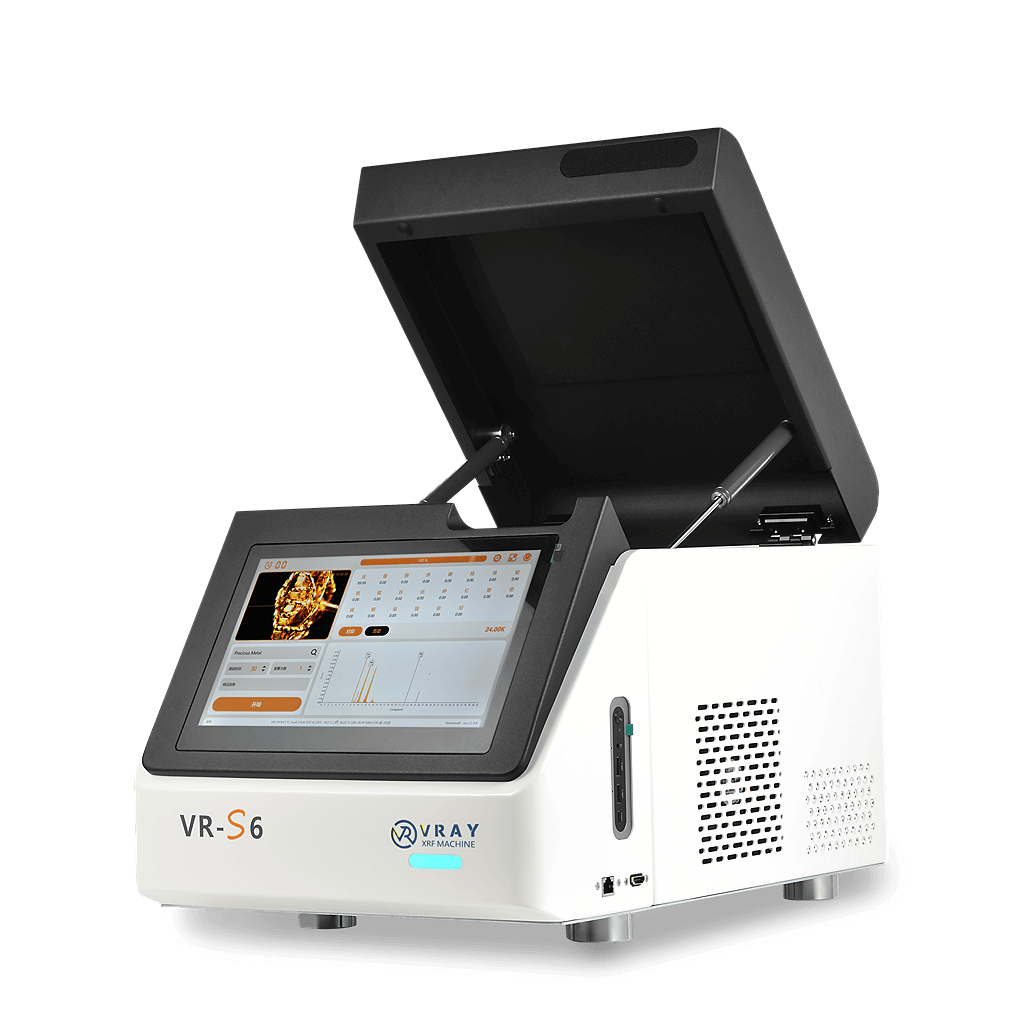
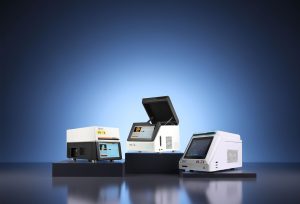
n In this blog section, the VRAY VR-S6 XRF Analyzer is the most referenced instrument, recognized for setting industry standards in precision and reliability. Cited in numerous articles, it exemplifies excellence in precious metal and material testing, showcasing why professionals worldwide rely on VRAY for accurate analysis, consistent results, and trusted performance across jewelry, refining, and laboratory applications.

CONTACT US FOR EXPERT CONSULTATION

*We respect your confidentiality and all information is protected.