











blog-bg

Gold Testing & Material Analysis Machine Articles

Explore articles on gold testing and material analysis machines, offering insights into XRF technology, industry trends, and best practices. Our blog covers tips, case studies, and expert guidance to help jewelers, refiners, and labs optimize accuracy, efficiency, and reliability in precious metal and material testing applications.

Finding the Right Precious Metal Analyzer: Essential Considerations

When it comes to analyzing precious metals like gold, silver, platinum, or palladium, the right equipment is crucial. Precious metal analyzers provide accurate, fast, and non-destructive testing for quality control, verification, and valuation. Choosing the right analyzer can be a challenge due to the many options available in the market today. Here’s a guide to help you make an informed decision. 1. Understand Your Needs Before selecting a precious metal analyzer, assess your specific needs: Type of Metal: Are you primarily testing gold, silver, or a variety of precious metals? Purpose: Are you using it for buying, selling, quality control, or industrial applications? Testing Environment: Do you need a portable device for on-site analysis or a benchtop analyzer for a laboratory setting? For example, if you’re a jeweler or a gold buyer, a handheld analyzer like the VR-H5 and VR-M5 would suit your need for mobility and fast testing. However, if you’re conducting extensive lab tests, a benchtop model like the VR-T5, VR-T6 or VR-T7 might be more appropriate. 2. Consider the Testing Speed Testing speed is critical in environments where rapid analysis is necessary, such as in jewelry stores, pawn shops, or recycling centers. Some analyzers offer results in seconds, while others may take longer, depending on the type of detector and technology used. For instance, the VR-T6 boasts high-speed analysis while maintaining accuracy up to 0.03%, which can be highly beneficial for businesses that handle a high volume of precious metals. 3. Accuracy and Sensitivity Accuracy is one of the most important factors in selecting a precious metal analyzer. Some devices are accurate to within a few percent, while others, like the VR-T6, can achieve an accuracy of 0.03%. The ability to detect trace elements is also vital in many cases. An analyzer should be able to distinguish between different karat levels in gold or identify alloy compositions in other metals. If you are testing metals with very low concentrations of precious elements, choosing a model with high sensitivity, like the VR-X5, which can test up to 20 elements, would ensure precise analysis. 4. Type of Detector Different precious metal analyzers use varying detection technologies: Silicon Drift Detectors (SDD): These detectors are high-performance, ideal for detecting lower concentrations of precious metals and alloys. They are fast and deliver high-resolution results. Si-PIN Detectors: Si-PIN (Silicon PIN) detectors offer a balance between cost-effectiveness and performance. They are commonly used in mid-range analyzers and provide decent resolution and accuracy for precious metal testing. Si-PIN detectors work well for basic analysis but may not be as fast or as sensitive as SDD detectors. Gas Proportional Counter (GPC): GPC detectors, such as the one used in the VR-X3, are less expensive and suitable for basic analysis, but may not offer the same level of precision as SDD detectors. Choosing between these technologies will depend on your budget and the level of precision you need. 5. Portability vs. Benchtop Handheld Analyzers: If mobility and convenience are important, handheld XRF analyzers, such as the VR-H5, are
The Essential Role of XRF Analyzers in the Gold Industry

In the gold industry, precision, trust, and accuracy are paramount. Whether it’s mining, jewelry, or investment, the need for reliable gold analysis is vital to ensure quality and authenticity. One technology that has transformed the way gold is analyzed is the X-ray fluorescence (XRF) analyzer. These advanced devices have become indispensable tools for gold professionals, offering fast, non-destructive, and highly accurate measurements of gold content and purity. What is an XRF Analyzer? An XRF analyzer uses X-ray fluorescence technology to determine the elemental composition of materials. When the X-rays interact with a sample, they cause the atoms within the sample to emit secondary (or fluorescent) X-rays. These fluorescent X-rays are unique to each element, allowing the analyzer to identify and quantify the presence of different metals, including gold. XRF analyzers are used in a wide range of industries, but their application in the gold industry is particularly critical. From verifying the purity of gold in jewelry to detecting the elemental composition of gold ores in mining, these devices have become a go-to solution for professionals who require fast and reliable results. Why XRF Analyzers are Crucial in the Gold Industry Accuracy and Precision In the gold industry, even the smallest variation in purity can have a significant impact on value. XRF analyzers provide highly accurate readings of gold content, often with a precision of up to 0.01% in modern devices. Whether you’re testing gold bars, coins, or jewelry, the analyzer can quickly determine the exact percentage of gold, silver, and other metals present. This ensures transparency in transactions, boosts customer trust, and prevents financial losses due to inaccurate valuations. Non-Destructive Testing One of the biggest advantages of using XRF analyzers in the gold industry is that they are non-destructive. Traditional methods of testing gold purity, such as acid tests, can damage or alter the item being tested. XRF technology, on the other hand, allows for accurate analysis without leaving any marks or causing any damage to the item. This is particularly important for high-value gold pieces, antique jewelry, or rare coins, where preserving the integrity of the item is essential. Speed and Efficiency Time is money in the gold industry, and XRF analyzers provide rapid results within seconds. This makes them ideal for use in situations where quick decisions need to be made, such as during buying and selling transactions. For businesses dealing with large volumes of gold, such as refineries, pawnshops, or bullion traders, the speed and efficiency of XRF analyzers can significantly streamline operations and improve workflow. Portable and Versatile XRF analyzers come in various forms, including handheld, portable, and benchtop models, making them highly versatile for different applications within the gold industry. Handheld devices, like the VR-H5 XRF analyzer, are ideal for on-the-spot analysis in the field, while benchtop models, such as the VR-T5 or VR-T6, provide more comprehensive testing in laboratory or retail settings. The portability of these analyzers allows gold traders, jewelers, and miners to carry out testing wherever it’s needed, ensuring that decisions are

Understanding the Collimator in XRF Analyzers: Enhancing Precision in Elemental Analysis

X-ray fluorescence (XRF) analyzers are widely used for elemental analysis across various industries, especially for identifying and quantifying metals, alloys, and other materials. A key component in ensuring the precision of these devices is the collimator. In this blog, we’ll explore what a collimator is, how it works, and why it is critical in XRF analyzers. What is a Collimator? In the simplest terms, a collimator is a device that narrows a beam of particles or waves. In the context of XRF analyzers, the collimator is used to focus the X-ray beam emitted from the analyzer’s source. This is done to control the area of the sample that is being analyzed, ensuring that the X-ray beam hits the desired target region and minimizes unwanted scatter or interference. Role of the Collimator in XRF Analyzers The collimator plays a critical role in enhancing the accuracy, resolution, and precision of XRF analysis. It is placed between the X-ray source and the sample, and its primary functions are: Beam Focus and Size Control: By controlling the size of the X-ray beam, the collimator helps ensure that the analyzer focuses only on a specific area of the sample. This is especially important for testing small or intricate samples, such as jewelry or coatings, where high precision is required. Reduction of Scatter Radiation: Scatter radiation can significantly affect the accuracy of XRF results. The collimator helps minimize this by narrowing the X-ray beam, thereby reducing the chance of scattered X-rays hitting the detector and causing false readings. Improvement in Spatial Resolution: With a well-collimated beam, XRF analyzers can achieve higher spatial resolution. This is especially useful in applications where multiple layers or complex structures need to be analyzed without interference from adjacent materials. Types of Collimators in XRF Analyzers Different XRF analyzers use various types of collimators depending on the specific application: Fixed Collimators: These collimators have a predetermined opening and are used when consistent beam size is required throughout the analysis. Adjustable Collimators: Adjustable collimators allow the user to change the size of the beam, providing more flexibility for different sample sizes or analysis requirements. This feature is particularly useful for handheld and benchtop XRF analyzers that are used in a range of environments. Multi-collimators: Some advanced XRF analyzers come equipped with multi-collimator systems, allowing for automatic switching between different collimator sizes during the analysis process. This enables the instrument to optimize beam size based on the specific part of the sample being examined. How Collimators Impact the Quality of XRF Analysis A well-designed collimator is crucial to achieving high-quality XRF results. Here are some ways it impacts analysis: Accuracy and Precision: The use of a properly adjusted collimator ensures that the X-ray beam is directed exactly where it’s needed, reducing the margin of error in readings. This is essential for precious metal analysis, where even a small deviation in results can lead to significant financial discrepancies. Faster Testing Time: By focusing the beam and reducing scatter, collimators improve the efficiency of the analysis.

Understanding XRF Spectrometer Detectors: Gas-Proportional, Si-PIN, and Silicon Drift Detectors (SDD)

X-ray fluorescence (XRF) spectrometry is a powerful analytical technique widely used for material analysis across various industries. A critical component of XRF spectrometers is the detector, which plays a crucial role in determining the instrument’s performance, sensitivity, and suitability for different applications. Among the commonly used detectors are Gas-Proportional Detectors, Si-PIN Detectors, and Silicon Drift Detectors (SDDs). Each of these detectors has its own strengths and limitations, making them suitable for specific applications. This article delves into the key differences between these detectors, helping you understand which one is best suited for your needs. Gas-Proportional Detectors How They Work: Gas-proportional detectors utilize a gas-filled chamber where incoming X-rays ionize the gas molecules, creating electron-ion pairs. The number of these pairs is proportional to the energy of the incident X-ray, enabling the detector to discriminate between different X-ray energies. Advantages: Cost-Effective: Gas-proportional detectors are typically less expensive than their solid-state counterparts, making them an economical choice for many applications. Good for High Count Rates: These detectors excel at handling high photon fluxes without significant dead time, making them suitable for applications where high throughput is essential. Durability: The simple and robust design of gas-proportional detectors makes them rugged and durable, capable of withstanding harsh environments. Disadvantages: Lower Resolution: The energy resolution of gas-proportional detectors is lower compared to solid-state detectors, which can be a drawback when precise element identification is needed. Limited Sensitivity: These detectors are less sensitive to low-energy X-rays, limiting their effectiveness in applications requiring the detection of light elements. Si-PIN Detectors (Silicon PIN Diode) How They Work: Si-PIN detectors are a type of solid-state detector that uses a silicon PIN diode. When X-rays interact with the silicon, they generate electron-hole pairs. The number of these pairs corresponds to the energy of the incoming X-rays, allowing the detector to identify different elements. Advantages: Improved Resolution: Si-PIN detectors offer better energy resolution than gas-proportional detectors, making them more suitable for applications requiring more precise element identification. Compact Size: These detectors are smaller and more compact than gas-proportional detectors, offering greater flexibility in instrument design. Moderate Cost: Si-PIN detectors strike a balance between performance and cost, being less expensive than SDDs but more effective than gas-proportional detectors. Disadvantages: Slower Response: Si-PIN detectors generally have slower processing speeds compared to SDDs, which may limit their use in high-throughput applications. Moderate Sensitivity: While more sensitive than gas-proportional detectors, Si-PIN detectors are not as sensitive as SDDs, particularly for low-energy X-rays. Silicon Drift Detectors (SDDs) How They Work: Silicon Drift Detectors represent the cutting edge of XRF detection technology. SDDs use a unique electrode arrangement that allows charge carriers to “drift” towards a small collecting anode. This design minimizes capacitance and enables faster, more accurate signal processing. Advantages: Superior Resolution: SDDs offer the highest energy resolution among the three detector types, allowing for excellent separation of closely spaced peaks. This capability is crucial for applications requiring detailed and precise element identification. Fast Response: SDDs are capable of handling high count rates with minimal dead

Understanding XRF Analyzers: A Comprehensive Guide

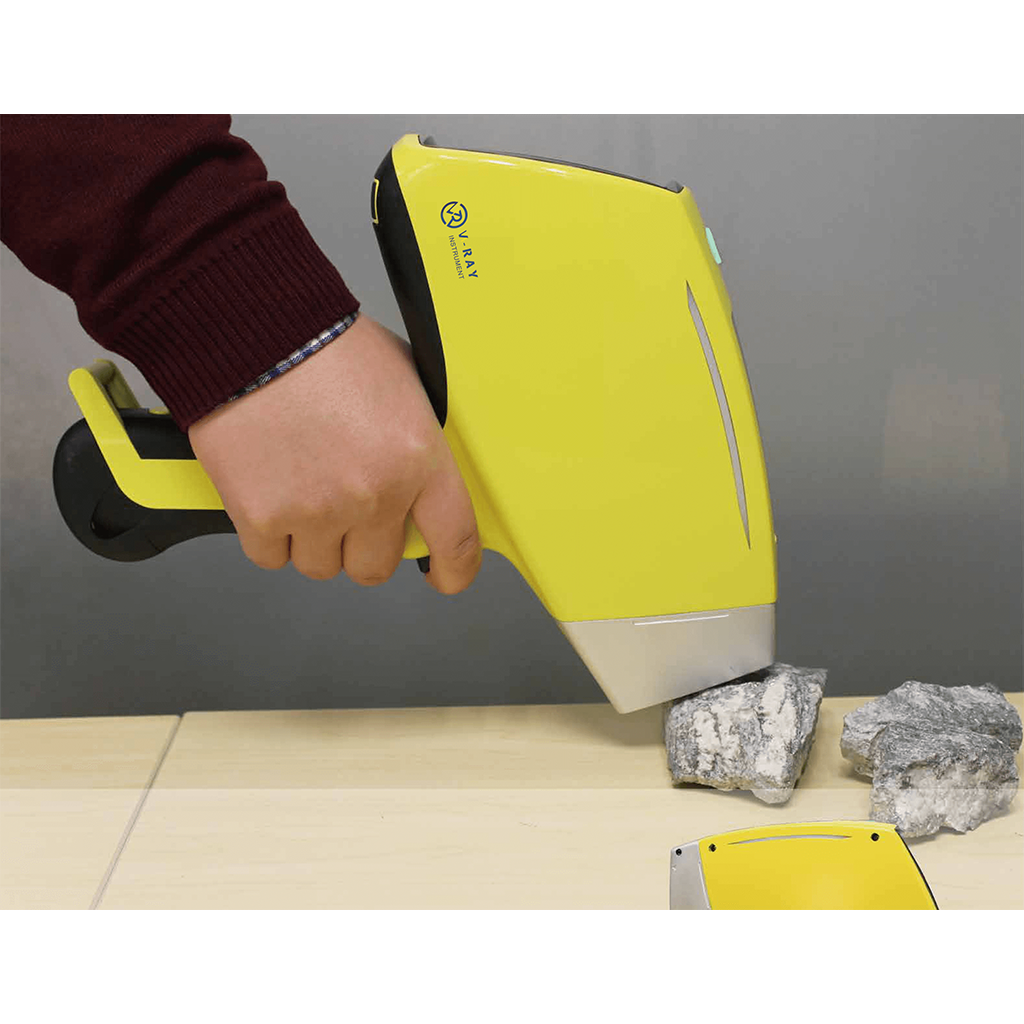
In today’s fast-paced world, accurate and non-destructive testing of materials is critical in various industries, from jewelry to aerospace. One of the most effective tools for this purpose is the XRF analyzer. But what exactly is an XRF analyzer, and how does it work? In this blog, we’ll explore the fundamentals of XRF technology, its applications, and why it has become a staple in material analysis. What is an XRF Analyzer? XRF stands for X-ray fluorescence, a non-destructive analytical technique used to determine the elemental composition of materials. An XRF analyzer is a device that utilizes this technique to identify and quantify the elements within a sample. It’s a versatile tool used in various industries, including metal manufacturing, jewelry, electronics, environmental science, and more. How Does XRF Technology Work? The core principle behind XRF technology is the interaction between X-rays and matter. Here’s a step-by-step breakdown of the process: 1. X-ray Emission: The analyzer emits high-energy X-rays towards the sample. 2. Interaction with the Sample: These X-rays interact with the atoms in the sample, causing them to emit secondary X-rays, known as fluorescent X-rays. Each element emits X-rays at a specific energy level, which acts like a fingerprint for that element. 3. Detection: The analyzer’s detector captures these fluorescent X-rays and measures their energy levels. 4. Data Analysis: The analyzer processes this data to identify the elements present in the sample and quantify their concentrations. Types of XRF Analyzers XRF analyzers come in various forms, each designed for specific applications: 1. Handheld XRF Analyzers: Compact and portable, these devices are ideal for on-site testing, such as in mining, scrap metal recycling, or quality control in manufacturing. An example is the VR-H5 handheld XRF analyzer, known for its precision in precious metals analysis. 2. Benchtop XRF Analyzers: These are larger, more powerful machines used in laboratories or industrial settings where higher accuracy and detailed analysis are required. Models like the VR-T5 and VR-T6 benchtop XRF analyzers are popular choices, offering fast test speeds and high accuracy. 3. Specialized XRF Analyzers: Some XRF analyzers are designed for specific tasks, such as the VR-X5 gold analyzer, which can test up to 20 elements in precious metals, or the XF-P3 XRF coating thickness analyzer, which measures both the value and coating thickness of materials. Applications of XRF Analyzers The versatility of XRF analyzers makes them invaluable in many fields: – Jewelry and Precious Metals: Jewelers use XRF analyzers to authenticate precious metals and determine their purity without damaging the item. This is especially crucial in buying and selling gold, silver, and platinum. – Environmental Testing: XRF technology is used to detect pollutants in soil, water, and air, helping to monitor environmental contamination and ensure regulatory compliance. – Manufacturing and Quality Control: In industries like aerospace and automotive, XRF analyzers ensure that the materials used meet strict quality standards, preventing failures and ensuring safety. – Archaeology and Art Conservation: XRF analyzers help historians and conservators analyze artifacts and artworks, providing insights into their composition and

What Makes a Good XRF Gold Analyzer? A Comprehensive Guide

In the world of precious metals, precision, speed, and reliability are crucial. X-Ray Fluorescence (XRF) gold analyzers have become indispensable tools for jewelers, metal refiners, and quality control professionals. But with so many options on the market, how do you choose the right one? In this blog, we’ll explore the key features and considerations that define a good XRF gold analyzer, ensuring you make an informed decision. 1. High Precision and Accuracy Accuracy is non-negotiable when it comes to gold analysis. A good XRF analyzer should provide precise measurements of gold content and detect even trace elements. What to Look For: Calibration: Ensure the analyzer is properly calibrated for gold and other precious metals. Detection Limits: Look for low detection limits to identify minor elements. Repeatability: Consistent results across multiple tests indicate reliability. 2. Non-Destructive Testing Preserving the integrity of the sample is essential, especially when dealing with high-value items. What to Look For: Non-Destructive Analysis: Verify that the analyzer performs non-destructive testing, keeping samples intact. 3. Speed and Efficiency In a fast-paced industry, waiting for results can be costly. Speedy analysis enhances productivity. What to Look For: Rapid Results:  Choose an analyzer that delivers results within seconds. User-Friendly Interface: An intuitive interface speeds up the testing process. 4. Versatility and Range A versatile analyzer can handle various materials, making it a more valuable investment. What to Look For: Elemental Range:  Ensure the analyzer can measure a wide range of elements beyond gold, including silver, platinum, and other alloys. Application Flexibility: Look for models that cater to different forms of gold, such as jewelry, coins, and raw materials.  5. Portability For professionals who need to perform on-site analysis, portability is a key factor. What to Look For: Handheld Models: Consider portable, handheld analyzers for fieldwork. Battery Life: Ensure the device has a long battery life for extended use. 6. Built-in Computing Power Advanced computing capabilities enhance the functionality and ease of use of the analyzer. What to Look For: Inbuilt Screen and Computer: Models with integrated screens and computing power, like the VR-T6 XRF analyzer, offer a seamless experience without needing external devices. 7. Data Management and Connectivity Efficient data handling and connectivity options streamline operations and reporting. What to Look For: Data Storage: Ample internal storage or cloud connectivity for data management. Connectivity Options: USB, Wi-Fi, and Bluetooth for easy data transfer and integration with other systems. 8. Durability and Build Quality A robust and durable analyzer ensures longevity and reliability, even in demanding environments. What to Look For: Build Quality: Choose analyzers made with high-quality materials. Warranty and Support: Look for devices with a solid warranty and reliable customer support.  9. Cost-Effectiveness Balancing cost with features and performance is crucial for making a sound investment. What to Look For: Value for Money: Assess the features relative to the price. Long-Term Costs: Consider maintenance, calibration, and potential upgrades. Choosing a good XRF gold analyzer involves considering various factors such as precision, speed, versatility, and durability. By focusing on these

Why Choose VRAY

High quality products: Our machines have excellent quality and stability, meeting all domestic and international safety and quality standards. We are confident in the durability and performance of our products, and we stand behind them with a strong warranty. Expertise: We have professional R&D and after-sales engineers who have a profound professional knowledge background and rich practical experience, and can provide customers with comprehensive technical support and consulting services. Customer service: As a leader in the industry, we take pride in excellent customer service. We are committed to helping customers find machines that meet their needs and providing continuous support and service to ensure the smooth operation of their machines. Wide range of products: VRAY Instrument’s product line covers from portable tester to large-scale laboratory level testing equipment. We provide a wide range of machines to meet the needs of enterprises of various sizes and types. Proven track record: We have been engaged in the development and sales of precious metal analyzer for more than 16 years, fully aware of the importance of precious metal testing in various industries. With high-quality products and timely and thoughtful services, our products have been exported to more than 70 countries and have received unanimous praise from domestic and foreign customers.

Related Articles

Expert Knowledge of XRF Spectrometers in the Blog

Our blog provides in-depth expert knowledge on XRF spectrometers, covering principles, applications, and practical tips for accurate material and precious metal analysis. Readers can explore case studies, technical insights, and guidance on optimizing performance, helping professionals make informed decisions when selecting or using XRF instruments. From calibration techniques to troubleshooting, the blog is a valuable resource for both beginners and experienced users.

The Most Cited VRAY Instrument in This Section’s Articles

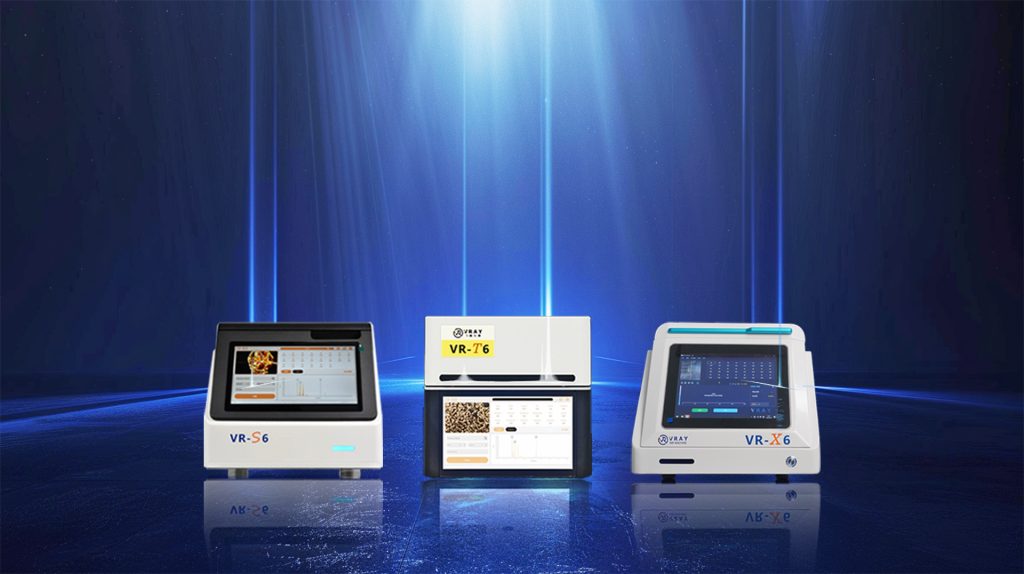
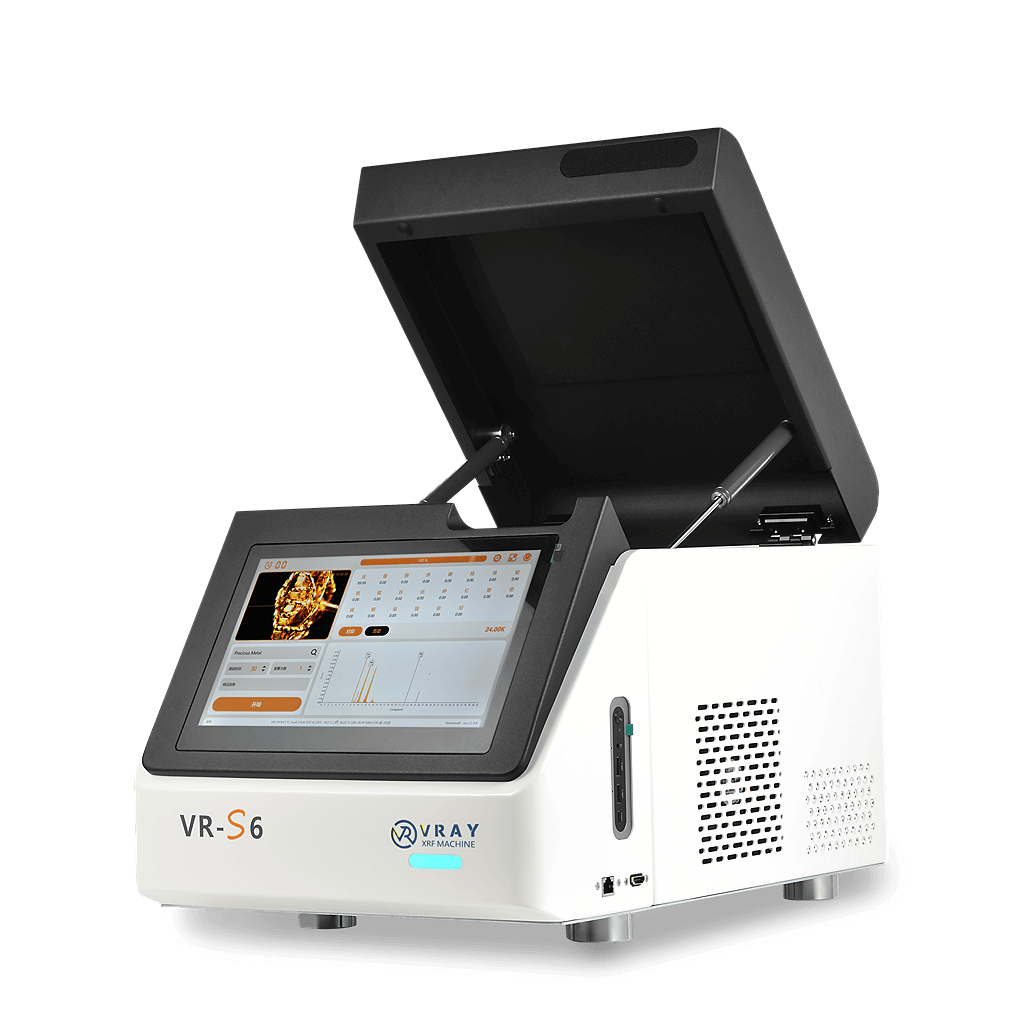
n In this blog section, the VRAY VR-S6 XRF Analyzer is the most referenced instrument, recognized for setting industry standards in precision and reliability. Cited in numerous articles, it exemplifies excellence in precious metal and material testing, showcasing why professionals worldwide rely on VRAY for accurate analysis, consistent results, and trusted performance across jewelry, refining, and laboratory applications.

CONTACT US FOR EXPERT CONSULTATION

*We respect your confidentiality and all information is protected.