















What’s the Right Way to Maintain an XRF Machine?
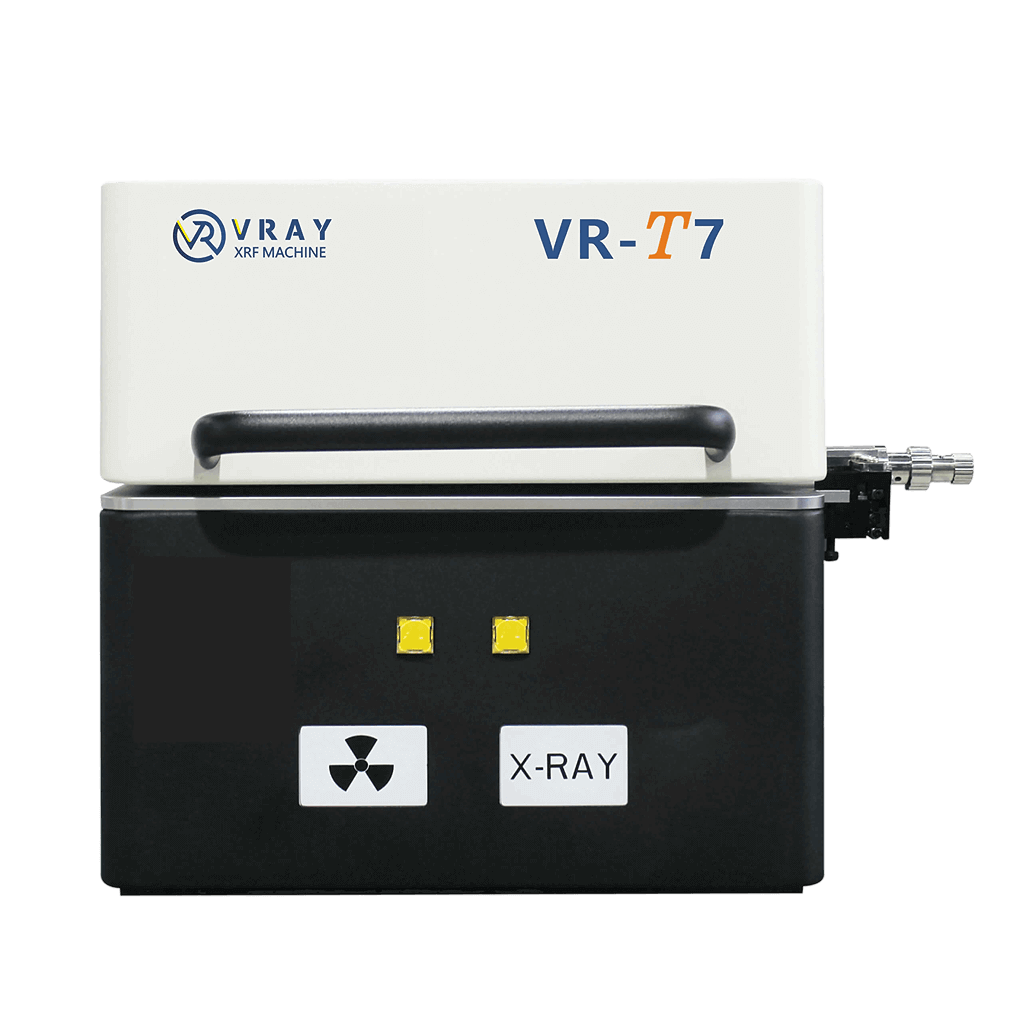
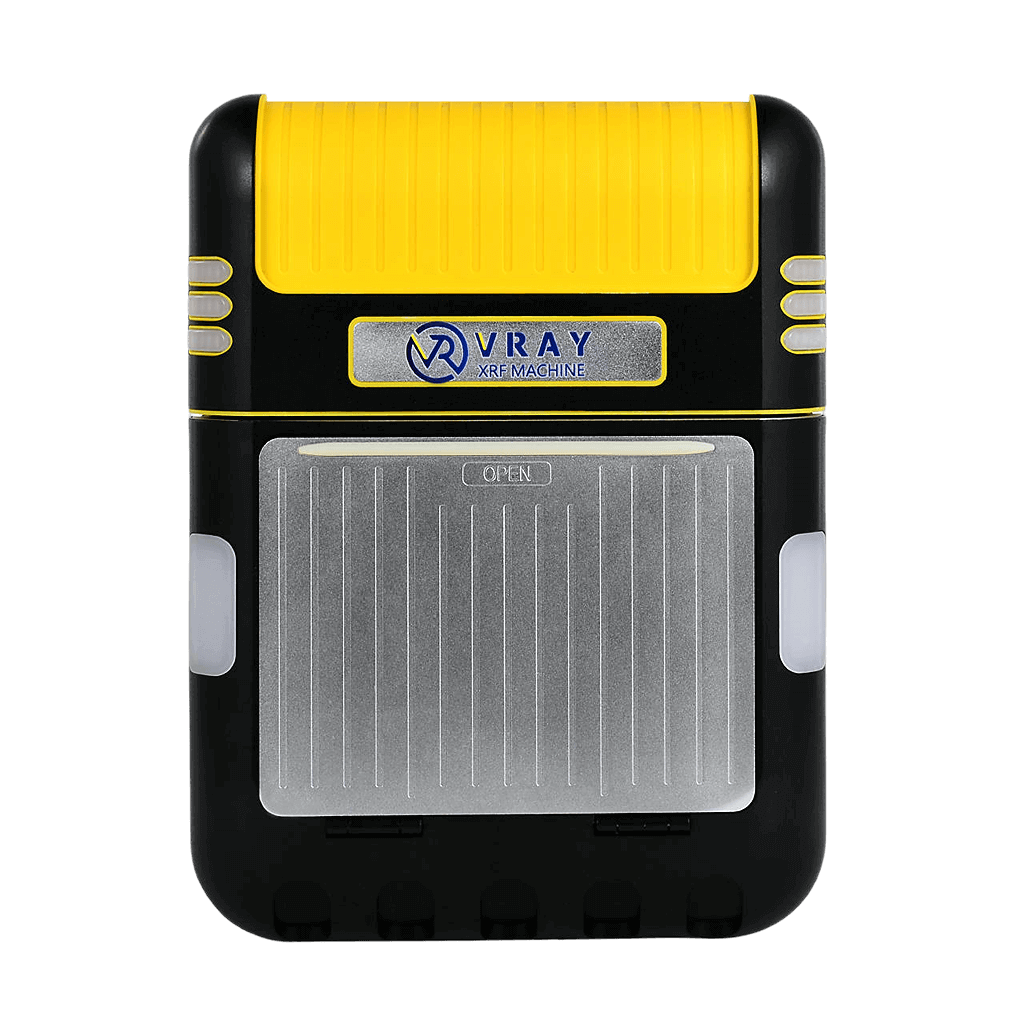
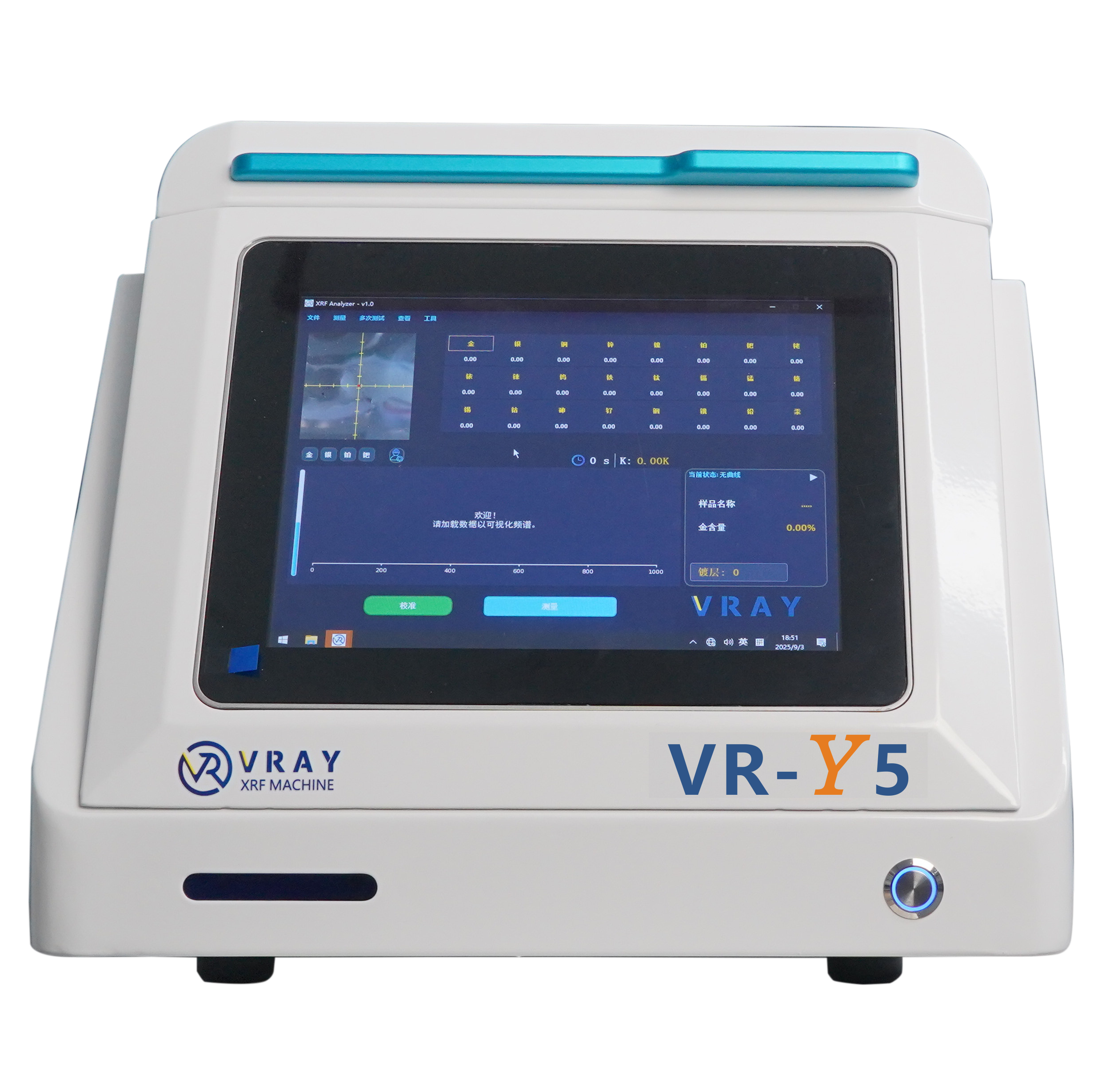
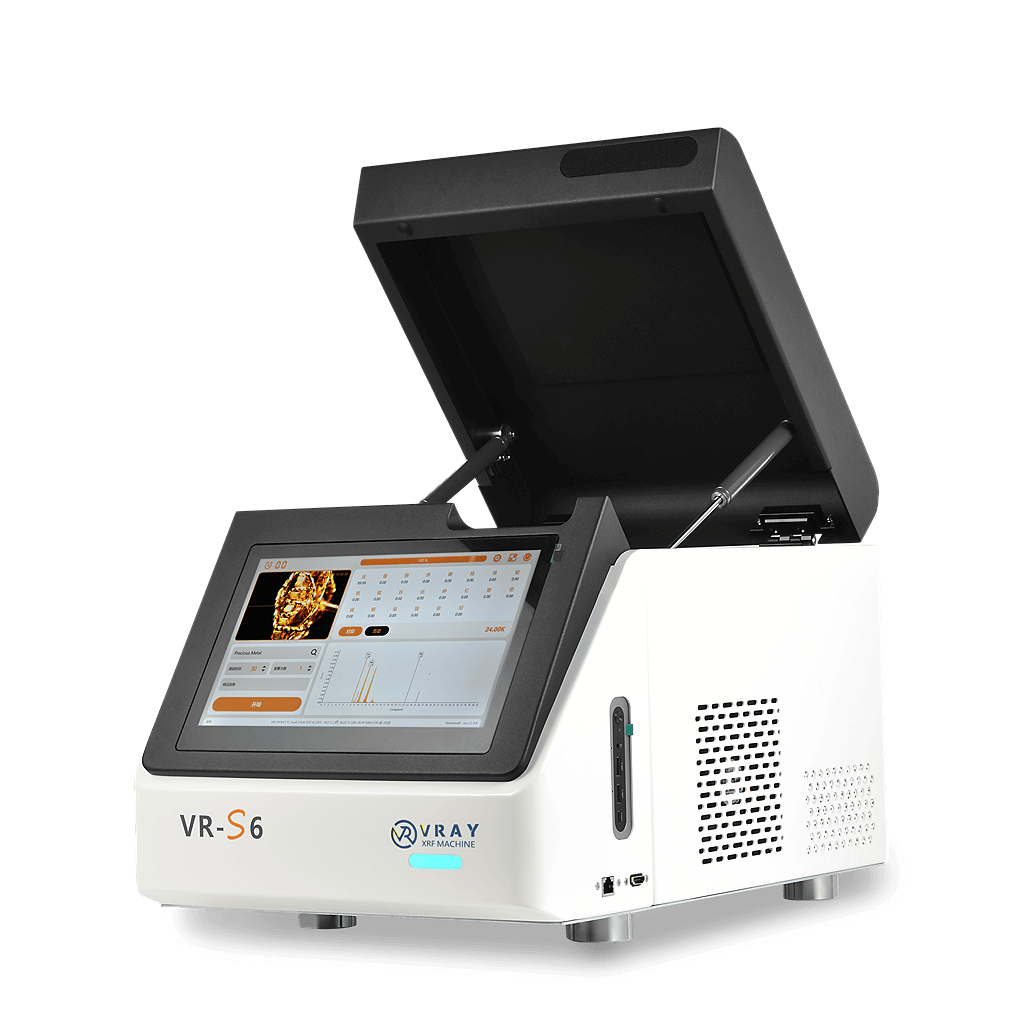
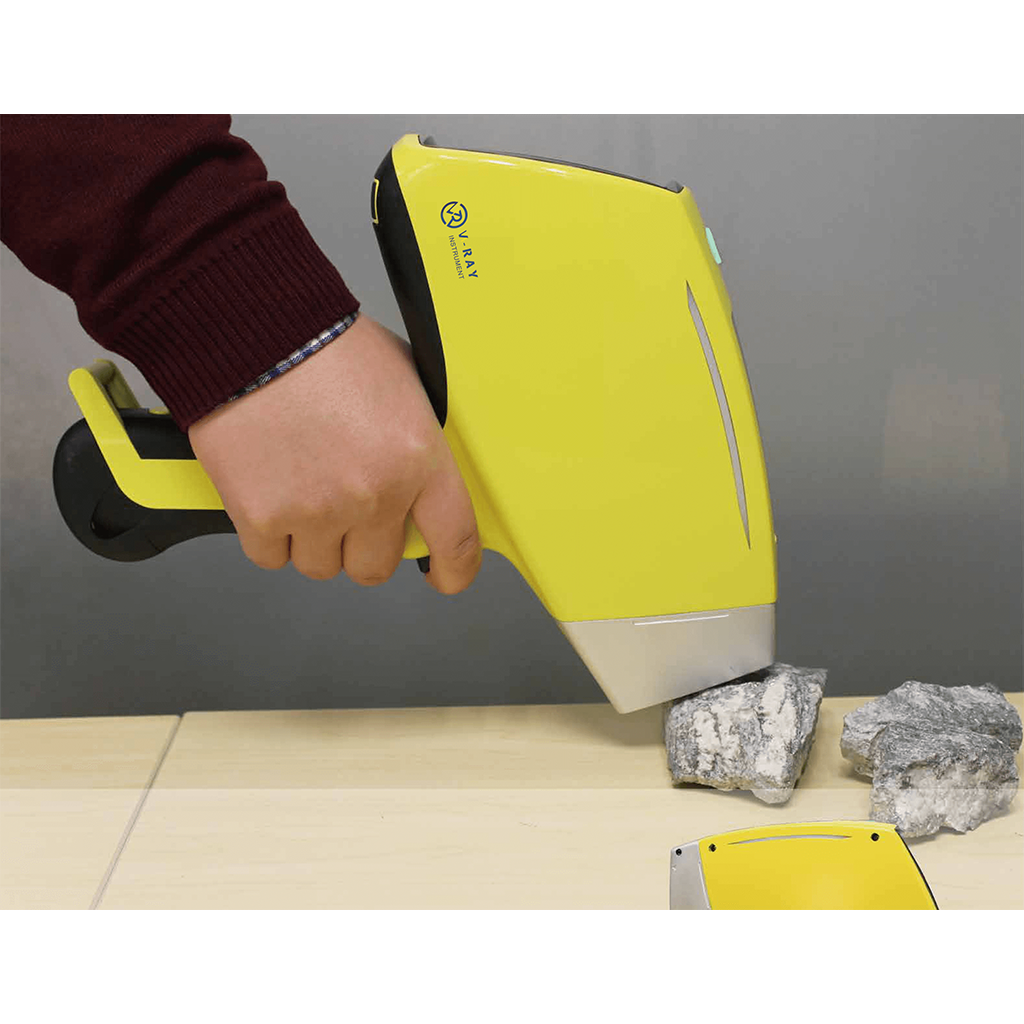
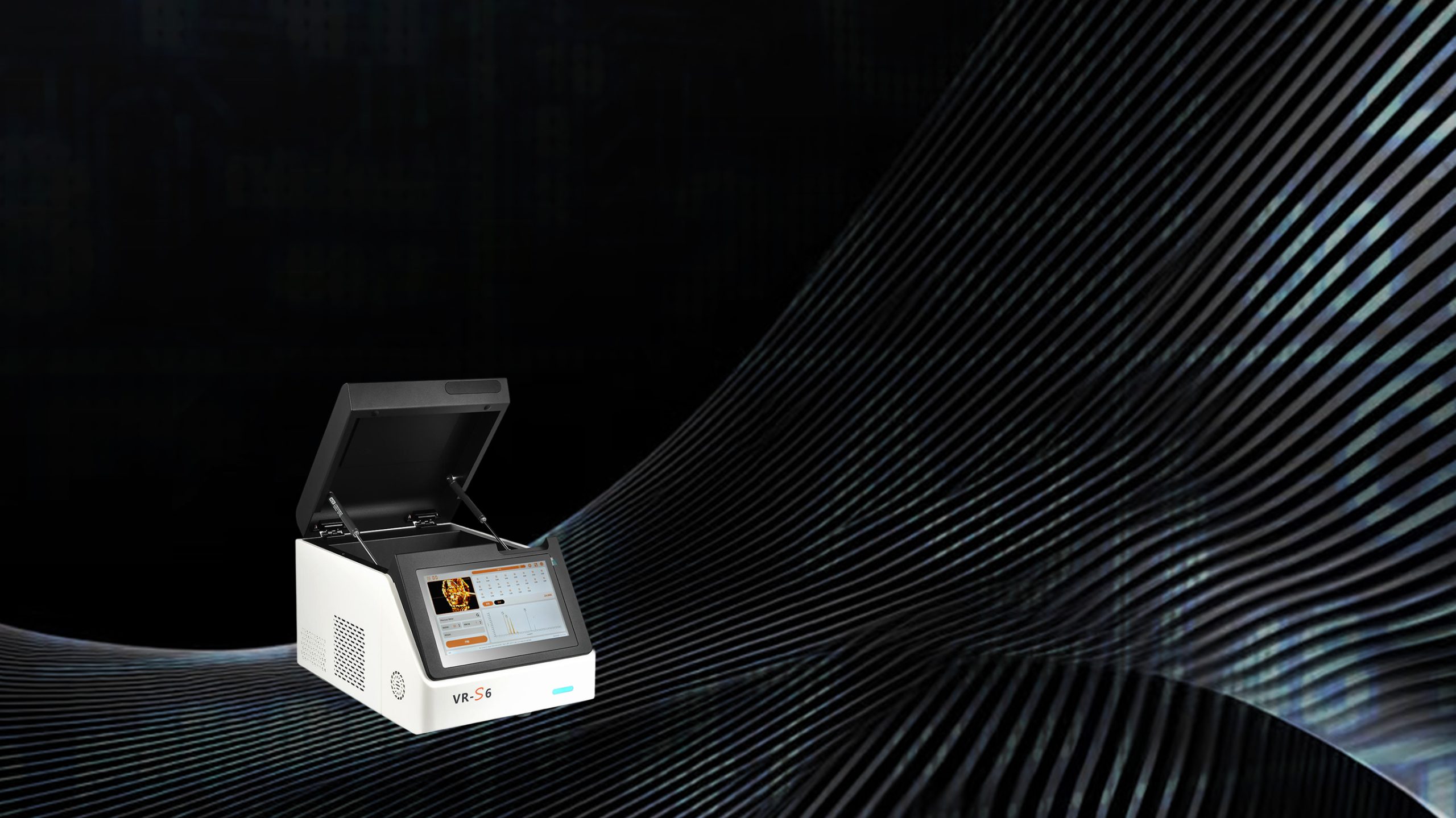
The right way to maintain an XRF machine is to keep it clean, well-ventilated, and regularly calibrated while following the manufacturer’s operating guidelines and scheduling periodic professional servicing. Proper maintenance not only extends the lifespan of the analyzer but also ensures accurate results in every test, whether you are measuring gold purity in a jewelry store, verifying silver content in a recycling facility, or performing quality control in a laboratory. In this article, we will explore daily care routines, preventive measures, and long-term practices for maintaining XRF equipment, and show how VRAY’s advanced analyzers and technical support help users achieve consistent, reliable performance. Daily Habits for Proper XRF Machine Maintenance 1. Keep the Instrument Clean Dust, fingerprints, and residue are among the most common threats to sensitive XRF equipment. Use a soft, lint-free cloth to wipe the surface regularly. Avoid using alcohol or corrosive cleaning agents on the detector window or X-ray tube area. For machines like VRAY’s VR-X3 and VR-X5, a clean sample chamber ensures accurate readings and reduces the chance of contamination. 2. Handle Samples Carefully Always make sure samples are free of oil, dirt, and excess moisture before testing. Even a small particle can interfere with the analysis. For example, when testing gold purity in a jewelry store, a clean sample provides precise results, while a contaminated sample may show misleading readings. 3. Ensure Proper Ventilation Like most high-precision electronic devices, XRF analyzers generate heat. Position the instrument in a well-ventilated environment and keep its vents free of obstruction. VRAY machines, including the VR-N3 and VR-T6, feature built-in overheating protection, but a cool working environment further protects the X-ray tube and prolongs the system’s life. Periodic Checks and Preventive Measures 1. Inspect the Detector Window The detector is one of the most sensitive parts of any XRF machine. A scratched or damaged detector window can lead to signal distortion and costly repairs. Periodically check for dust, scratches, or irregular marks. If anything unusual is observed, stop using the instrument immediately and contact professional service. 2. Monitor Calibration and Software Regular calibration ensures consistent accuracy. VRAY analyzers come with advanced software such as Multi-FP algorithms for automatic correction and interference reduction. However, it’s important to check that calibration standards are stored in good condition and run verification tests routinely to detect any drift. 3. Protect Against Power Surges XRF analyzers operate with high-voltage components. A sudden power surge can damage the X-ray tube or internal circuits. Always connect the machine to a stable power supply with surge protection. For portable models like the VR-M5 or VR-H5, make sure batteries are properly maintained—charge them with original adapters and avoid over-discharging. Best Practices for Long-Term Reliability 1. Follow Manufacturer’s Operating Guidelines Every model is slightly different. VRAY’s benchtop VR-T9, for instance, is designed for extremely high-precision testing of 99999 gold, while the VR-S6 focuses on compact all-in-one design for everyday quality control. Reading and following the official manual ensures that users get the best results while avoiding accidental misuse. 2.