









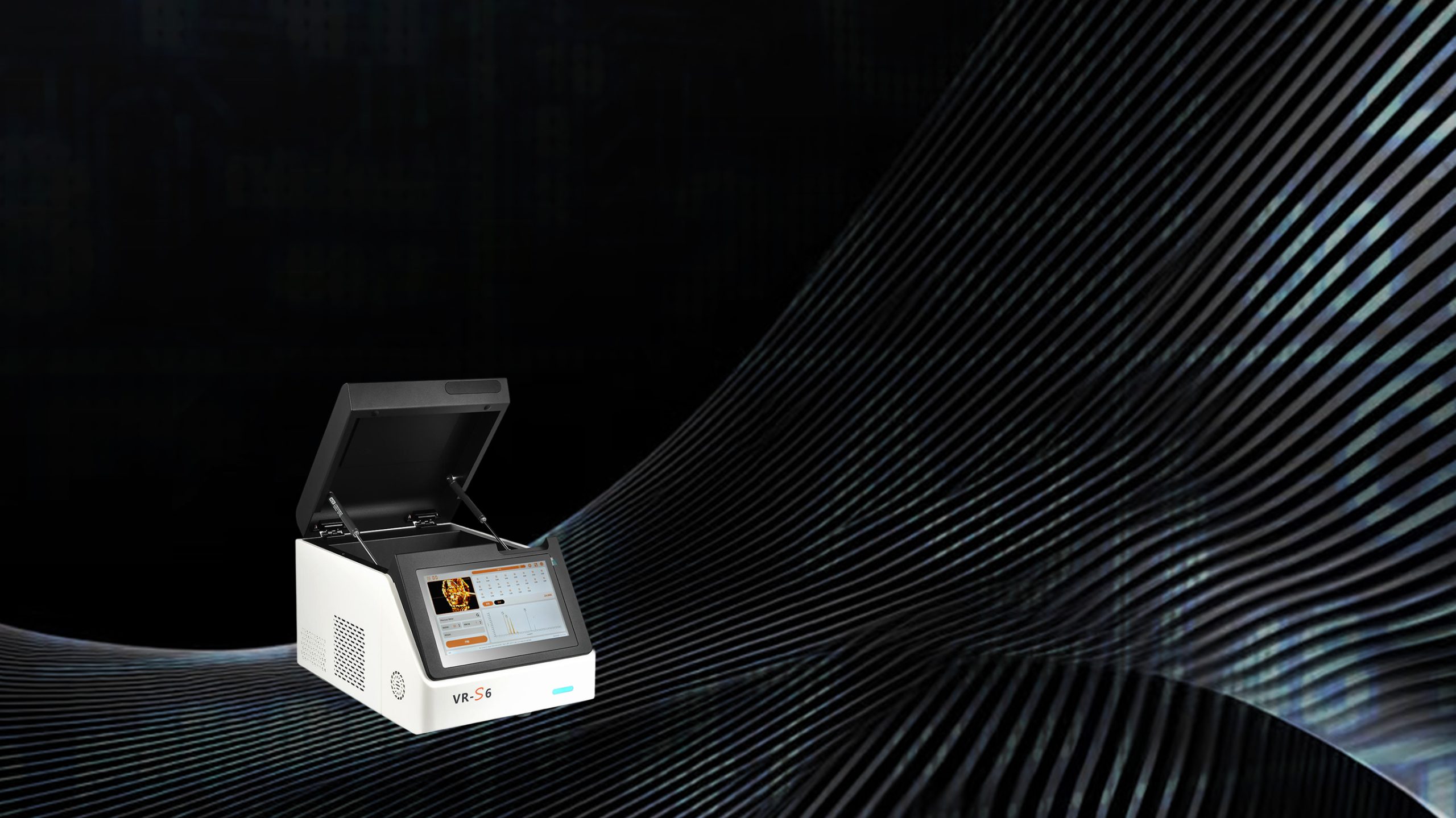
GUIDEBG

XRF Spectrometers Guide: Everything You Need to Know

XRF spectrometers provide fast, non-destructive analysis of metals, alloys, and coatings. This guide covers how they work, key features, applications, and benefits, helping you choose the right solution for accurate and efficient material testing.

Which XRF Test Is Best for 21k Gold Jewelry?

For testing 21k gold jewelry, high-sensitivity XRF analyzers equipped with specialized detectors and optimized software algorithms deliver the most accurate and efficient results. Whether you’re operating in a jewelry store, pawnshop, or quality control lab, the ideal XRF test strikes a balance between precision, ease of use, and portability—making VRAY’s line of XRF gold testers a top choice in the industry. Why 21k Gold Needs a Reliable Testing Method 21k gold is widely used in high-value jewelry across global markets. Unlike 24k gold, it contains other metals such as silver, copper, or zinc to improve strength and durability. But because its purity sits between 18k and 24k, even a minor testing error can lead to significant valuation differences—which is why XRF testing must be highly accurate. Traditional methods like acid testing are outdated and risky for valuable pieces. They’re destructive, subjective, and can’t reliably distinguish between 21k and alloys that are close in composition. XRF, on the other hand, offers non-destructive, repeatable results in just seconds, making it the preferred solution. What Makes a Great XRF Test for 21k Jewelry? To accurately test 21k gold, the XRF analyzer must meet the following requirements: Precise purity detection: The ability to detect small changes in gold concentration (down to 0.001%) is critical. Elemental sensitivity: Since 21k gold may contain other metals, the detector must reliably distinguish between gold and alloying elements. Stability and repeatability: Professional users require consistent results even across repeated tests. User-friendly operation: Touchscreen operation, pre-calibrated profiles, and intuitive software reduce training time and eliminate guesswork. Portability or lab-grade power: Depending on the use case, the device must either be portable for on-site testing or powerful for lab-grade analysis. VRAY Recommends: The Best XRF Analyzers for 21k Gold Testing 1. VR-X5 – Precision Meets Performance For jewelry stores, refineries, and gold buyers looking for lab-level accuracy in a compact benchtop unit, the VR-X5 is the top recommendation. Equipped with a custom-designed Si-PIN detector, it can test over 20 elements, making it ideal for detecting both gold content and alloys in 21k jewelry. Built-in HD screen and integrated computer No external devices needed Automatic high-voltage protection Fast analysis speed for high customer throughput Its sensitivity and precision make it a preferred choice for professionals who need results they can trust. 2. VR-T9 – Designed for Ultra-High-Purity Analysis If your business deals in high-value 21k gold and wants the most accurate measurement possible, the VR-T9 is built for you. It delivers a detection precision of ±0.001% and supports customized reports and spectrum comparison for easy identification of alloying trends. Ideal for large-volume or wholesale gold analysis Can distinguish fine differences in karat value (e.g., 20.8k vs. 21.1k) Excellent for quality control, batch analysis, and fraud detection 3. VR-H5 – Portable, Fast, and Reliable For businesses that require on-site testing, such as mobile gold buyers, pawnshops, or field inspections, the VR-H5 handheld analyzer offers unmatched flexibility without compromising performance. Lightweight and compact with touchscreen display Intelligent battery management and gravity shutdown feature Real-time

What Are the Benefits of a Handheld XRF Gun?

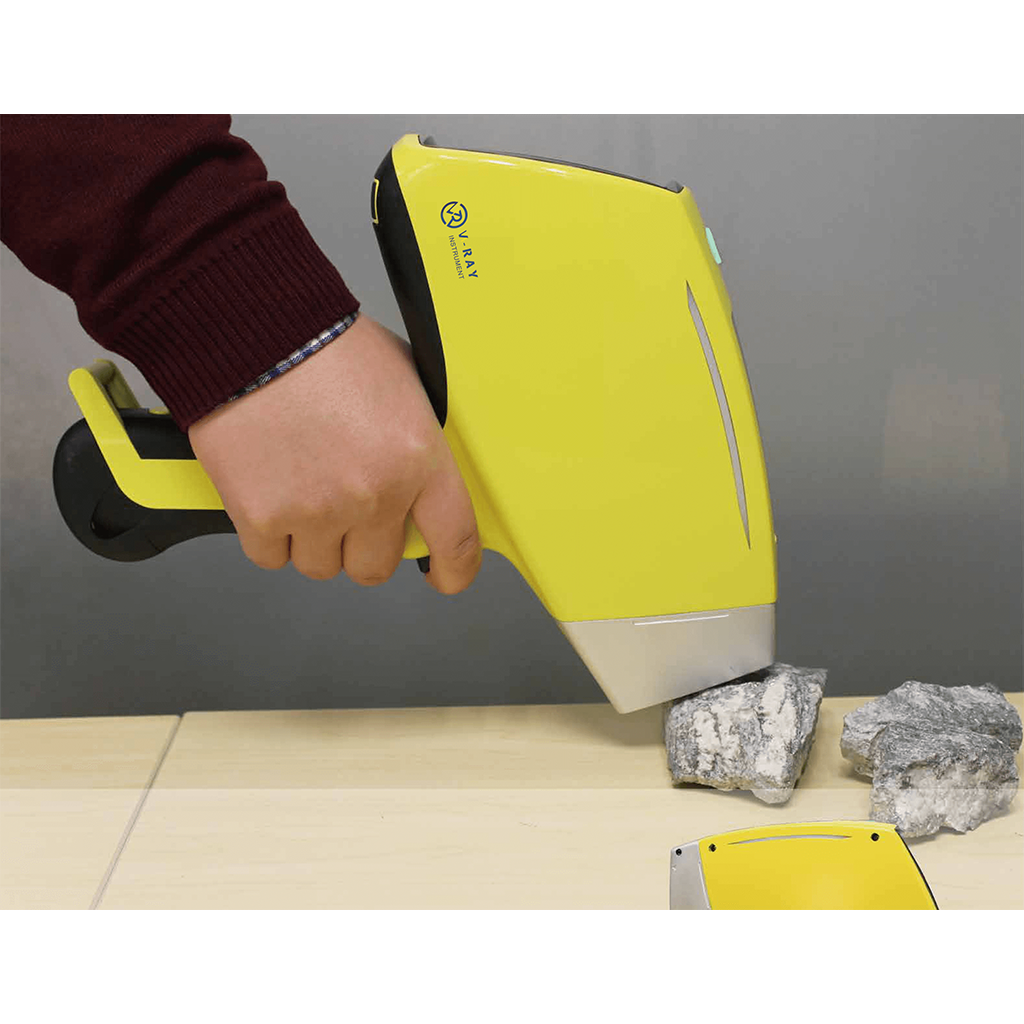
When speed, precision, and convenience are essential for metal analysis, a handheld XRF gun stands out as an all-in-one solution. It allows users to instantly identify metal content—such as gold, silver, and platinum—on-site, without damaging the sample or waiting for lab results. Whether you’re in a jewelry store, a pawnshop, or a recycling facility, this portable tool brings unmatched efficiency and accuracy to the table. In this article, we’ll explore the practical benefits of handheld XRF analyzers, how they improve daily operations, and why professionals across industries are making the switch. 1. Instant On-Site Results One of the biggest advantages of a handheld XRF gun is the ability to get real-time results in seconds. Traditional lab-based testing can take hours or days. With handheld XRF, users can point, shoot, and receive a full metal breakdown in under 10 seconds—sometimes as fast as 2 seconds for high-purity materials like gold or silver. This speed is especially valuable in: Jewelry stores where quick customer service is essential Pawnshops evaluating authenticity on the spot Recycling centers assessing mixed scrap metals Mining sites identifying ore grades on location 2. Non-Destructive Testing (NDT) For industries dealing with valuable items—such as gold jewelry or collectible silverware—destructive testing is not an option. Handheld XRF guns analyze the elemental composition without damaging the sample in any way. There’s no cutting, melting, or chemical treatment involved. This means: No value is lost Customers retain confidence in the process The same sample can be tested again or sold intact 3. High Accuracy and Repeatability Today’s handheld XRF analyzers offer lab-grade accuracy thanks to advanced detectors and intelligent software. With proper calibration and quality control, they can measure precious metals down to parts-per-million (ppm) and deliver consistent, reliable results across multiple tests. For example, VRAY’s handheld models use enhanced Si-PIN detectors and optimized software algorithms to ensure every reading is: Accurate to ±0.01% or better Consistent even across irregular surfaces or mixed metals Repeatable under various environmental conditions 4. Ease of Use and Portability Handheld XRF guns are designed with non-specialist users in mind. Modern models offer: Touchscreen controls Auto-calibration Built-in software with simple readouts No special lab training is required. These tools are often used by sales staff, appraisers, technicians, and even mobile testing agents. With compact, lightweight bodies and built-in safety features, handheld XRF guns can be carried anywhere and used comfortably all day. 5. Safer, Smarter Metal Testing Many handheld XRF analyzers, including VRAY’s, are equipped with intelligent safety functions. For example: Radiation shielding Sample detection sensors (double-beam tech) Auto shutdown on drop or inactivity These features protect both users and the environment while ensuring compliance with local safety standards. Why Professionals Choose VRAY Handheld XRF Guns At VRAY Instruments, we offer industry-leading handheld XRF solutions designed to maximize performance and reliability. Our most advanced portable model—the VR-H5—delivers all the core benefits discussed above and more. 🔍 VR-H5 Handheld Precious Metal Analyzer Compact yet powerful, the VR-H5 is ideal for jewelry shops, gold recyclers, mobile appraisers, and industrial

How to Check Stainless Steel Grade with XRF?

XRF (X-ray fluorescence) technology allows users to identify the chemical makeup of a stainless steel sample within seconds—without damaging it. Whether you’re verifying incoming materials, inspecting finished parts, or managing recycling operations, XRF testing ensures you’re working with the right material every time. How XRF Analyzers Identify Stainless Steel Grades XRF analyzers work by emitting a beam of X-rays onto the surface of a metal sample. These X-rays excite the atoms in the material, causing them to emit secondary (fluorescent) X-rays. The emitted X-rays are then captured and analyzed to determine the sample’s elemental composition—such as iron (Fe), chromium (Cr), nickel (Ni), molybdenum (Mo), manganese (Mn), and other alloying elements. Each stainless steel grade has a distinct elemental signature, making it possible to identify grades like 304, 316, 430, or 2205 with a high level of accuracy. For example: 304 stainless steel typically contains ~18% chromium and ~8% nickel. 316 stainless steel has similar chromium content but includes 2–3% molybdenum for enhanced corrosion resistance. 430 stainless steel lacks nickel and has higher chromium levels, making it magnetic and more suitable for decorative applications. By analyzing these compositions, XRF instruments can instantly match the results to preloaded grade libraries. Why Use XRF to Test Stainless Steel Grades? Non-Destructive Testing (NDT) XRF doesn’t alter or damage the material. This is crucial for components that need to retain their integrity post-testing. Speed and Convenience Results are generated within seconds, allowing quick on-site verification without sending samples to a lab. Accuracy and Reliability Modern XRF analyzers can detect elements down to parts-per-million (ppm) levels, providing precise composition analysis that supports confident decision-making. Cost-Effective Compared to traditional methods like wet chemistry or spark OES, XRF is significantly cheaper and faster for routine identification tasks. Portable and Versatile Handheld and desktop XRF units can be used in the field, warehouse, factory floor, or lab—wherever testing is needed. When Do You Need to Verify Stainless Steel Grades? Receiving raw materials: Ensure suppliers deliver the correct material to spec. Welding and fabrication: Match base and filler metals to prevent corrosion or structural failure. Maintenance and repair: Identify unknown parts for proper replacement. Scrap sorting and recycling: Quickly sort valuable alloys for resale or reuse. Quality control: Meet compliance standards and customer expectations. Best XRF Analyzer Options from VRAY Instruments At VRAY Instruments, we offer a full suite of high-performance XRF analyzers that are tailored to the needs of metal testing professionals. Our instruments are designed for speed, accuracy, and ease of use—making them perfect for stainless steel grade identification. 🔸 VR-H5 Handheld XRF Analyzer For on-the-go testing and field inspections, the VR-H5 is an ideal solution. Compact, rugged, and equipped with a high-resolution detector, it delivers lab-grade accuracy in a portable form. Its intuitive touchscreen and dual-beam technology make it easy to identify stainless steel grades in seconds. Key Features: Lightweight and easy to carry Automatic sample detection Smart battery management for 8-hour runtime Non-destructive testing on-site Recommended for: Scrap metal sorting, field inspections, maintenance and repair teams

Is XRF Useful in Gold and Silver Testing?

Is XRF useful in gold and silver testing? The answer is a clear yes. XRF analyzers have become an essential tool for accurately identifying the composition of gold, silver, and other precious metals. Their reliability, ease of use, and ability to test even complex alloys make them indispensable in modern-day material verification workflows. Whether you’re testing jewelry for resale, verifying raw materials for manufacturing, or assessing recycled metals, XRF technology enables fast, repeatable results — all without cutting or altering the sample. Why XRF Is Trusted for Precious Metal Testing XRF technology works by exposing a sample to a stream of X-rays, which causes the elements within the sample to emit secondary (fluorescent) X-rays. The analyzer then measures the energies of these fluorescent rays to identify and quantify the elements present. What makes XRF especially effective in gold and silver testing is its ability to: Quickly analyze purity and composition, often within seconds Handle mixed or coated samples, including alloys and plated metals Provide non-destructive testing, preserving the value of the sample Test a wide range of elements — from common metals to trace-level elements in high-purity gold These benefits are critical for businesses that deal with a high volume of metal testing or need precise quality control across various sample types. Common Use Cases: Real-World Applications of XRF Testing Professionals in different sectors rely on XRF technology every day: Jewelry Shops: Determine the purity of gold and silver items during sales, purchases, or trade-ins. Pawnshops & Consignment Stores: Instantly authenticate precious metal pieces without causing damage. Gold Refiners & Recyclers: Sort incoming materials and assess the value of high-purity scrap metal. Manufacturing Plants: Conduct quality checks on raw materials and finished products to ensure consistency and compliance. Inspection Agencies: Provide certification or verification services for clients handling large volumes of precious metals. XRF analyzers provide the speed, flexibility, and accuracy required to support these critical operations — especially when turnaround time and precision affect the bottom line. VRAY Instruments: Precision XRF Solutions for Gold and Silver Testing At VRAY Instruments, we specialize in high-performance XRF analyzers tailored to the demands of the precious metal industry. Our products combine advanced technology, intuitive design, and rigorous calibration standards to deliver reliable results, every time. 🔍 Popular Models for Gold and Silver Testing VR-X5: A powerful desktop analyzer equipped with a high-precision Si-PIN detector. Perfect for jewelry shops and metal processing industries. Tests over 20 elements with rapid, user-friendly operation. VR-M5: A compact, portable model ideal for on-the-go testing. Features an intelligent battery system and built-in camera, enabling accurate measurements anywhere, anytime — especially useful for field recycling or trade events. VR-T6: An all-in-one workstation with Multi-FP algorithm software and a high-resolution screen. Excellent for manufacturers and inspection labs that require high throughput and precise documentation. VR-T9: Engineered for high-purity gold testing, capable of detecting gold content with ±0.001% precision. Perfect for enterprises dealing with 99999-grade gold or performing high-end quality control. VR-H5: A rugged handheld XRF analyzer designed for mobility. It

What Metals Can an XRF Analyzer Detect?

XRF analyzers can detect a wide range of metals, including gold, silver, platinum, palladium, rhodium, copper, nickel, zinc, iron, tin, lead, chromium, cobalt, and many others. These devices are capable of identifying both pure metals and complex alloys with high precision. Whether in jewelry retail, metal recycling, quality control, or manufacturing, XRF technology provides fast, non-destructive results that are essential for accurate metal identification and value assessment. Unlike traditional testing methods that may require cutting, melting, or chemical treatment, XRF analyzers work by scanning the metal surface with X-rays, allowing users to determine its elemental composition within seconds. Which Metals Can Be Detected by an XRF Analyzer? XRF analyzers are engineered to measure the elemental composition of a wide range of metals, including: ✔ Precious Metals: Gold (Au): Including high-purity 999 and 9999 gold, common in jewelry and bullion. Silver (Ag): Detected in jewelry, coins, and industrial materials. Platinum (Pt), Palladium (Pd), Rhodium (Rh): Critical PMG metals, especially in catalytic converters and high-end jewelry. ✔ Base Metals: Copper (Cu): Common in alloys, electronics, and coins. Nickel (Ni): Often found in stainless steel and rechargeable batteries. Zinc (Zn): Essential in galvanization processes and brass alloys. Tin (Sn) and Lead (Pb): Frequently checked for RoHS compliance. ✔ Steel and Alloying Elements: Iron (Fe), Chromium (Cr), Manganese (Mn), Molybdenum (Mo): Commonly found in steel and superalloys used in tools, aerospace, and construction. Titanium (Ti), Cobalt (Co), Vanadium (V): Important for medical devices, jet engines, and specialty steels. ✔ Rare and Specialty Metals: Tantalum (Ta), Niobium (Nb): Found in electronics and high-performance alloys. Uranium (U) and Thorium (Th): Relevant in geological and nuclear industries. Cadmium (Cd) and Antimony (Sb): Often present in industrial applications or restricted substances monitoring. With the right configuration, a modern XRF analyzer can detect elements ranging from potassium (K, atomic number 19) up to uranium (U, atomic number 92). Why Real Users Choose XRF Analyzers for Metal Detection From gold buyers to recycling plants, users prefer XRF analyzers because they are: Non-destructive: Test without damaging the sample. Fast: Results appear in seconds, not minutes or hours. Portable: Models like VRAY’s VR-H5 and VR-M5 are handheld and ideal for on-site operations. Accurate: Capable of distinguishing minute differences in purity and composition. User-friendly: Intuitive touchscreens and automated software reduce training time and human error. These features are critical in industries where time, accuracy, and material integrity directly impact profitability and trust. Recommended VRAY XRF Analyzers for Metal Detection At VRAY Instruments, we design XRF analyzers that serve real business needs — whether you’re managing a retail jewelry store, operating a recycling line, or running a precious metal lab. Here are some of our most trusted devices for detecting a wide range of metals: 🔹 VR-H5 Handheld XRF Analyzer Designed for mobility and speed, this compact device delivers lab-quality results on the go. Ideal for: On-site gold and silver testing Mobile recycling operations Pawn shop evaluations Key Features: Lightweight, portable design Dual-beam detection Smart battery system and drop protection Optimized for low detection

What’s Better for Small Business: Pen or XRF?

When running a small business that deals with gold, silver, or other precious metals—whether it’s a jewelry store, pawn shop, recycling operation, or manufacturing unit—choosing the right testing method is more than a technical decision. It directly impacts your bottom line. Many business owners start out using gold testing pens (acid-based), thinking it’s cost-effective. But as operations grow and quality expectations rise, switching to a professional-grade XRF analyzer often becomes not just a choice—but a necessity. So, what’s truly better for small business: the traditional pen or the modern XRF? The short answer—XRF is significantly better in terms of accuracy, safety, speed, and long-term cost-effectiveness. While pens might seem cheaper upfront, they often cost more in the long run due to unreliable results, material loss, and even potential reputational damage. Let’s break down why. Pen Test vs. XRF: What’s the Real Difference? 1. Accuracy That Impacts Profit Margins Pen tests use acid to determine gold purity by observing how the metal reacts. The method is: Subjective (dependent on human judgment) Prone to damaging the item Inaccurate with mixed metals, plating, or high-purity materials In contrast, XRF (X-ray fluorescence) technology: Analyzes the metal’s actual atomic composition Delivers precise element breakdown (e.g., gold, silver, copper content) Tests both the surface and subsurface (depending on the model) For businesses where every percentage point of purity matters, like gold wholesalers or buyers, this difference can mean thousands in gains—or losses. 2. Professional Image & Customer Trust Imagine a customer watching a staff member use a dropper and acid to test a $2,000 gold necklace. Now imagine them seeing a sleek, high-tech instrument generate a certificate-quality report in seconds. Which builds more trust? An XRF analyzer not only boosts customer confidence, it also: Shows commitment to quality and transparency Allows for printed or digital reports Helps prevent disputes during trade-ins, pawn transactions, or bulk purchases In competitive environments, professionalism is a conversion tool. First impressions matter—and XRF makes the right one. 3. Speed and Ease for Daily Operations A gold pen test is messy, manual, and requires careful cleanup. It’s not ideal when handling: Large volumes of jewelry High-carat gold Recycled or alloyed materials XRF analyzers, like VRAY’s handheld and benchtop models, offer: One-click testing Results in under 10 seconds Built-in displays and software No need for chemicals or sample prep For small businesses with limited staff, this saves both time and labor cost. 4. Long-Term Cost vs. Short-Term Saving Yes, pen kits cost less—about $20–$50 per set. But they wear out, require careful storage, and can lead to misidentification that causes: Overpaying for fake or plated items Undervaluing real items and losing suppliers or clients Disputes and returns Meanwhile, an entry-level XRF like VRAY’s VR-M5 portable analyzer pays for itself within months by preventing these mistakes. It offers: Rugged portability High-precision Si-PIN detector Real-time results with no material loss 8-hour battery life—ideal for mobile testing or in-store use For small gold buyers or mobile recyclers, it’s a perfect upgrade from acid pens. Why VRAY

How Do You Use an XRF to Test 21K Gold?

Using an XRF (X-ray fluorescence) analyzer to test 21K gold is fast, accurate, and non-destructive. You simply place the gold sample—whether it’s a ring, necklace, or raw material—onto the testing platform or under the sensor window of a handheld device. The XRF machine then emits low-level X-rays that excite the atoms in the sample. In seconds, the device reads the emitted energy and calculates the gold purity with high precision. Unlike acid testing or fire assay, XRF requires no chemicals or sample preparation. It can be done in stores, labs, or even on-the-go with portable models. You simply power on the device, place the item in the test zone, and review the real-time results on the screen. Why 21K Gold Testing Matters 21K gold is a common alloy containing approximately 87.5% pure gold and 12.5% other metals. It’s popular in markets across the Middle East and Asia due to its rich color and durability. However, verifying its exact purity is essential in resale, jewelry production, and gold recycling. Undetected impurities can reduce the item’s value or lead to fraudulent transactions. This is where XRF analyzers play a critical role. With XRF testing, you don’t have to guess or rely on inconsistent chemical tests. Instead, you get immediate results backed by digital precision. Step-by-Step: How to Test 21K Gold with an XRF Analyzer 1.Power On the XRF Device Ensure the machine is calibrated (most modern devices like those from VRAY calibrate automatically or with one tap). 2.Place the Gold Sample on the Sensor Area Whether you’re using a handheld device or a benchtop analyzer, gently place the gold item in the designated test spot. Ensure it’s clean and free of contaminants. 3.Initiate the Test Tap the screen or press the button to begin analysis. The XRF beam will scan the sample, typically for 5–20 seconds depending on the device settings. 4.Review the Results The screen displays the elemental composition—showing gold (Au) percentage, along with any other detected elements like copper or silver. 5.Save or Print the Report For record-keeping, most devices allow you to store results, generate printable reports, or even send them digitally. What Makes VRAY’s XRF Gold Testers Stand Out? VRAY Instruments offers a full range of XRF gold testing analyzers that are engineered for speed, precision, and ease of use. Whether you’re testing 21K gold in a high-volume jewelry store or evaluating raw materials at a refinery, VRAY has a model to match your workflow. 🔹 Popular Models for 21K Gold Testing: [VR-X3] – A benchtop analyzer with gas proportional counter detector, ideal for jewelry shops. [VR-X5] – Features a Si-PIN detector and HD screen, capable of analyzing over 20 elements. [VR-M5] – Lightweight, portable, and perfect for mobile appraisals or remote gold purchasing. [VR-T9] – Built for ultra-high purity detection (±0.001%), perfect for industrial and wholesale gold assessment. [VR-H5] – A rugged, handheld device with dual-beam tech for quick spot-checking in pawnshops or recycling operations. Each VRAY device is designed with user-friendly interfaces, real-time results, and robust

How Do You Analyze XRF Results for Gold?

When using an XRF gold tester, the analysis process begins the moment the sample is scanned and the instrument returns its composition. Interpreting the results accurately is key to understanding the purity of gold and identifying other metals that may be present in the sample. Most XRF gold analyzers present results as a percentage of each element found. For example, a reading of Au 91.7%, Ag 5.0%, Cu 3.3% means the gold purity is 91.7%, or 22 karats. How to Quickly Analyze XRF Gold Test Results The first step in analyzing XRF results for gold is to identify the gold content (Au) on the result screen. If the result shows a single, dominant percentage for gold and minimal other metals, it is likely to be high-purity gold. However, if there are significant readings for silver (Ag), copper (Cu), nickel (Ni), or other elements, the gold item may be alloyed — which is common in jewelry and coins. Different industries set specific standards for gold purity — such as 24K (99.9% gold), 22K (91.7%), or 18K (75%). By comparing the XRF result to these standards, users can immediately determine whether the item meets quality expectations. Accuracy in reading these values depends on proper testing conditions, a well-calibrated machine, and the right selection of sample area. High-end XRF machines, like those from VRAY Instruments, provide not only the composition but also enable users to compare spectra or generate detailed reports for documentation or resale. Key Factors to Consider When Interpreting XRF Gold Test Results 1. Gold Purity Detection The gold content (Au) is the most critical value. XRF results are usually presented in percentage (%) or parts per thousand (‰). For example, 999, 916, or 750 are often used to represent 24K, 22K, and 18K respectively. Ensure that: The percentage of Au is consistent across multiple tests. There are no suspiciously high readings of elements like Fe, Zn, or Pb, which may indicate gold-plated or counterfeit items. 2. Presence of Alloying Elements Common alloying metals include: Silver (Ag) – used to lighten color and hardness Copper (Cu) – used to deepen red tones Nickel (Ni) – sometimes used in white gold Palladium (Pd), Platinum (Pt), Rhodium (Rh) – high-end applications Knowing the percentage of these metals helps to determine: The exact karat rating of the item Whether the piece is genuine, plated, or counterfeit Suitability for resale or recycling 3. Testing Surface vs. Core XRF is a surface analysis technique. If you’re testing plated items, the gold layer on the surface may show high purity, even though the base metal is different. In such cases: Test multiple areas of the item. If possible, polish a small area to access the core material. Use instruments with depth profiling capabilities if available. 4. Signal Stability and Calibration For the most accurate results: Allow the machine to warm up fully before use. Ensure the calibration is up to date. Use consistent sample positioning and test time settings. Why Professionals Choose VRAY for Accurate Gold Analysis

How Accurate Is a Metal Analyzer Spectrometer?

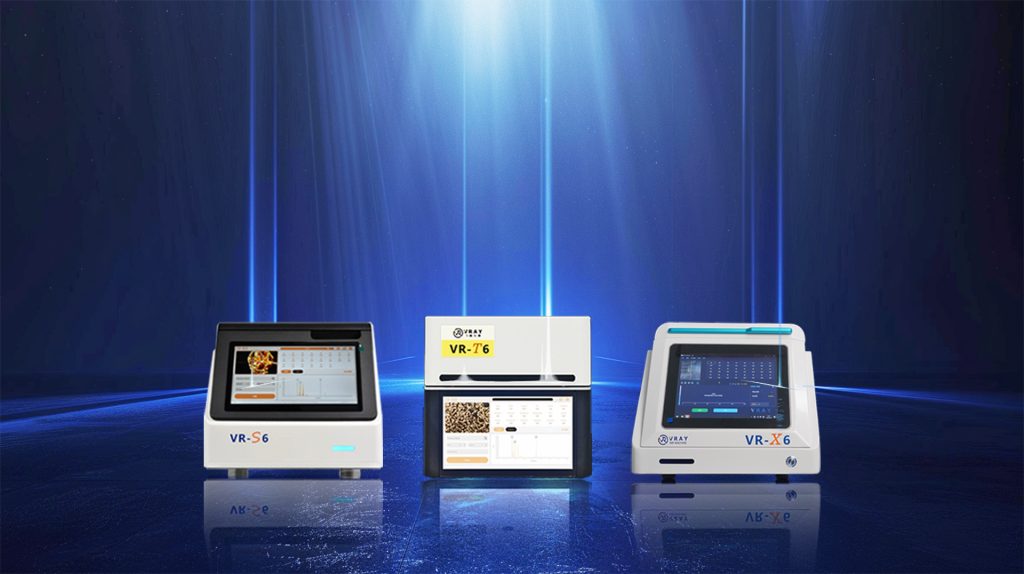
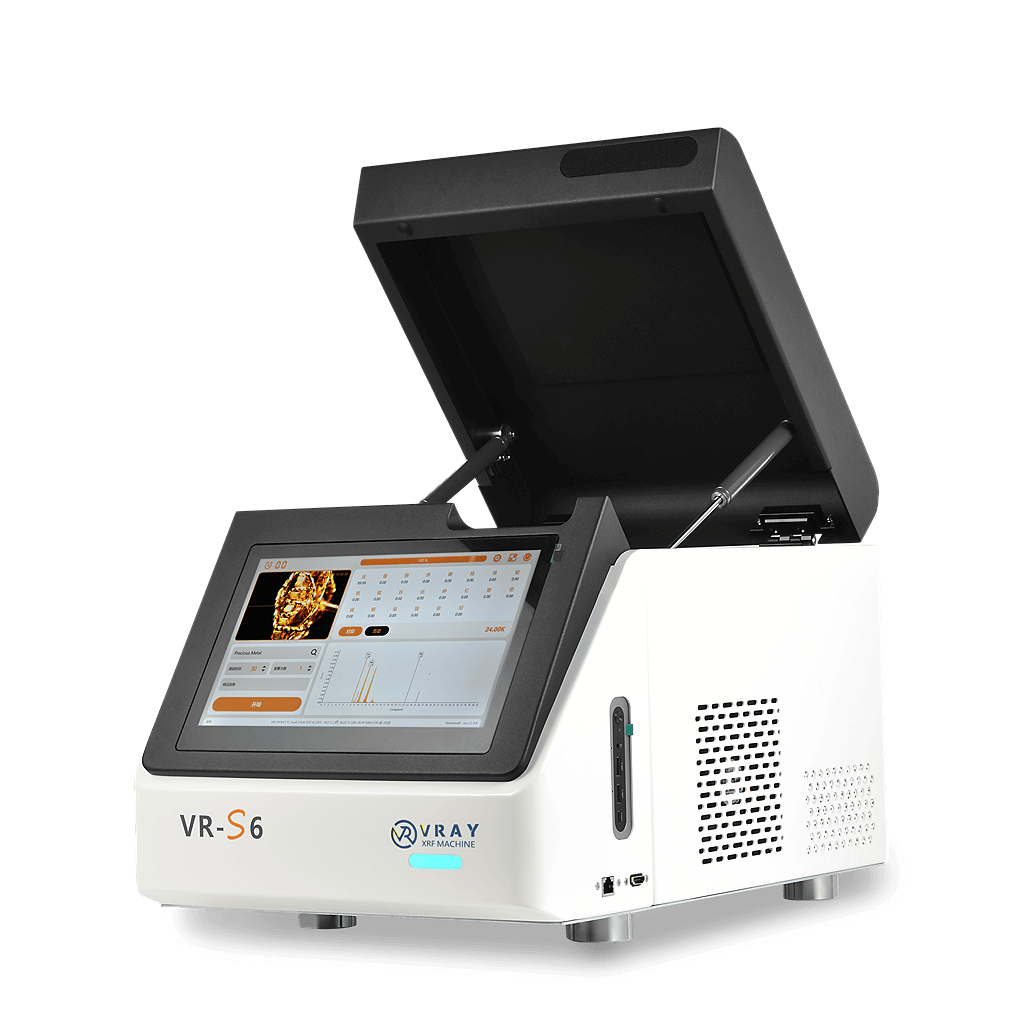
Modern metal analyzer spectrometers, especially those utilizing X-ray fluorescence (XRF) technology, can achieve exceptional accuracy. Devices such as those in the VRAY product lineup deliver measurement precision up to ±0.001%, capable of distinguishing minute differences between 99.99% and 99.999% gold. In practical terms, this means you can identify not only the presence of a specific metal but also its exact proportion in a sample—within an error margin as low as one part per million. The secret behind this level of accuracy lies in a combination of advanced detection technology, well-calibrated software algorithms, and consistent hardware performance. XRF analyzers detect the secondary X-rays emitted by elements in a sample when excited by a primary X-ray source. These signals are then analyzed to determine the types and concentrations of metals present. The more advanced the spectrometer’s detector and processing software, the more accurate and reliable the analysis becomes. What Affects the Accuracy of a Metal Analyzer Spectrometer? Several factors contribute to how accurately a spectrometer can analyze metal content: Detector Type: High-quality detectors like Si-PIN (Silicon PIN) and silicon drift detectors (SDD) offer better resolution and sensitivity, crucial for detecting low concentrations of elements. Software Algorithms: Multi-FP (Fundamental Parameter) algorithms used in VRAY spectrometers account for sample geometry, matrix effects, and other variables to improve result accuracy. Sample Condition: Surface cleanliness, smoothness, and homogeneity all affect how well the spectrometer can “read” a sample. Calibration: Regular calibration using certified reference materials ensures continued accuracy. Device Maintenance: Protective features such as X-ray tube overheating protection and high-voltage safeguards help ensure that devices stay in optimal working condition, thereby preserving accuracy. How VRAY Instruments Ensures High Accuracy VRAY Instruments designs its XRF metal analyzers specifically to meet the high demands of precious metal testing in various commercial environments. Here’s how VRAY maintains superior accuracy across its product range: Precision Engineering: Devices like the VR-T9 offer a detection precision of ±0.001%, ideal for ultra-pure gold analysis (e.g., 99999-grade gold). Advanced Detection Systems: Handheld models like the VR-H5 and portable units like the VR-M5 use imported Si-PIN detectors, ensuring a fast, accurate, and non-destructive analysis even in the field. Intelligent Features: The VR-X5 includes spectrum comparison functionality to identify material inconsistencies and avoid testing errors, making it especially suitable for gold purity evaluation and alloy identification. User-Friendly Design: Products such as the VR-T6 and VR-S6 integrate all-in-one systems with touchscreen interfaces and intuitive workflows, minimizing user error and maximizing test consistency. In short, every VRAY instrument is engineered to minimize variability and maximize confidence in results, whether it’s a benchtop spectrometer used in a lab or a compact handheld analyzer used in a busy retail store. Real-World Applications That Demand High Accuracy 1. Gold & Silver Jewelry Testing Jewelry stores and gold buyers use XRF analyzers to verify metal purity on the spot. An error of even 0.5% could significantly alter the market value of an item, making accuracy critical. 2. Recycling and Refining When refining metals from scrap or recycling old jewelry, accurate composition analysis

What Are Common XRF Uses in Precious Metals?

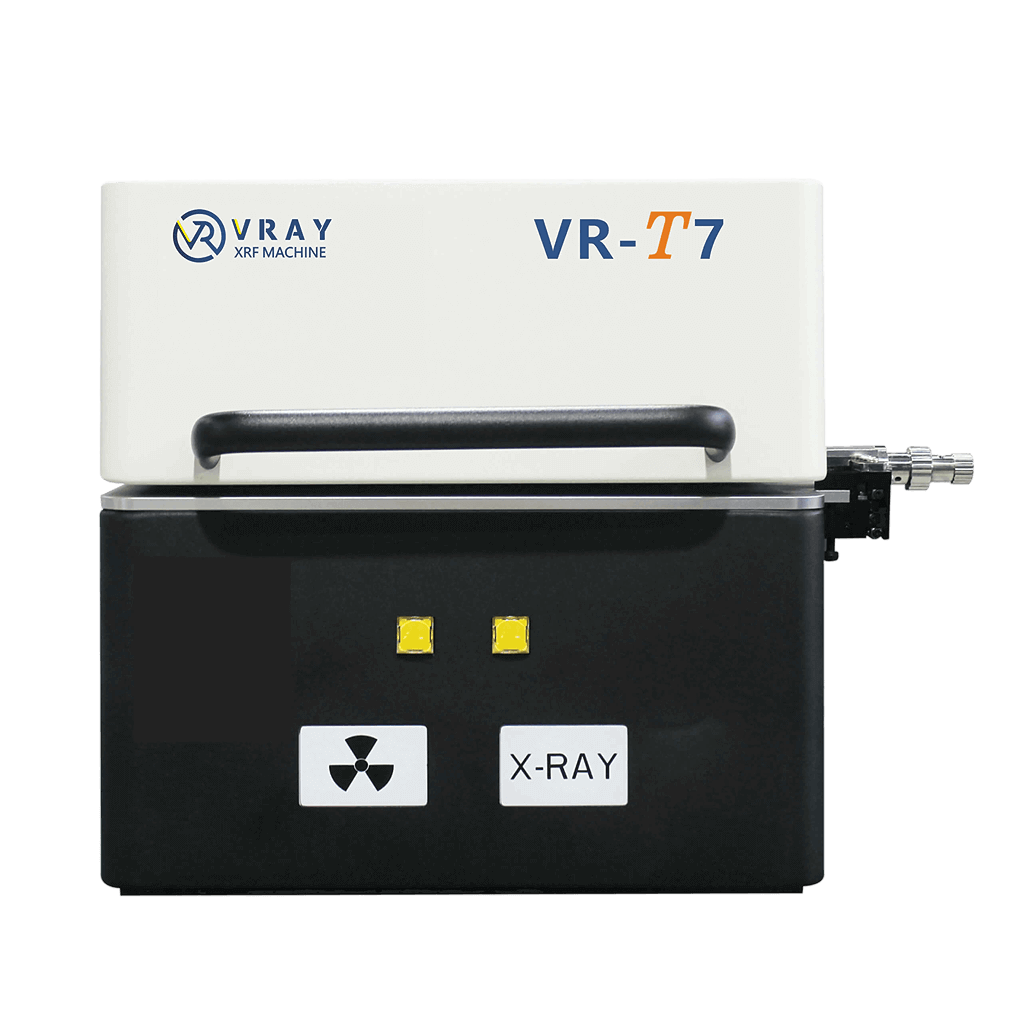
X-ray fluorescence (XRF) technology has become a trusted method for analyzing precious metals due to its non-destructive nature, high speed, and remarkable accuracy. From jewelry appraisal to recycling and manufacturing, XRF is used throughout the precious metals value chain. With modern advancements, including portable and handheld devices, testing can now be done on the spot—in retail stores, refineries, pawn shops, and even field operations. The convenience and reliability of XRF make it an essential tool for anyone handling high-value metal goods. Why Is XRF Essential for Precious Metal Testing? The most common uses of XRF in precious metals fall into three core categories: identification, valuation, and quality assurance. Professionals across industries need fast, accurate results to determine metal content without damaging the item being tested. Here’s how XRF helps in various real-world settings: 1. Gold Purity Testing in Retail and Wholesale Gold jewelry stores, gold dealers, and bullion traders use XRF to test the purity of gold items quickly and non-destructively. These tests are crucial for: Verifying whether the item meets karat standards (e.g., 18K, 24K) Preventing fraud or mislabeling Evaluating pricing before buying, selling, or trading For example, VRAY’s VR-X3 and VR-N3 analyzers are often used in retail jewelry shops. Their integrated designs and simple touchscreen interfaces allow staff to test items in front of customers, enhancing trust and transparency. 2. Silver Testing and Recovery Wholesale silver markets and recycling centers frequently rely on XRF to determine silver content in jewelry, utensils, and scrap materials. It’s common to see businesses testing large volumes of items, requiring both speed and reliability. Devices like the VR-M5 and VR-H5 are ideal for this task. With portable and handheld options, users can conduct rapid silver purity assessments at recycling sites or even mobile collection events. 3. Platinum Group Metals (PGM) Verification High-value metals like platinum, palladium, and rhodium are often present in automotive components, lab equipment, and jewelry. Verifying their purity accurately is challenging due to their chemical similarity. XRF technology excels in separating and identifying these elements. Tools such as the VR-X5 and VR-T9, which feature high-sensitivity Si-PIN detectors, allow users to distinguish between trace amounts of PGMs and base metals, even in complex alloys. 4. Refinery & Recycling Center Assaying Gold and silver recyclers use XRF to determine the composition of old jewelry, electronic waste, and industrial scrap. These analyses help estimate refining yields and eliminate the risk of underpayment or overpayment for materials. Benchtop models like the VR-T7 and VR-T6 are commonly used in laboratories and processing centers. Their advanced Multi-FP algorithms and customizable report formats allow for detailed, repeatable results that stand up to documentation requirements. 5. Pawn Shop and Consignment Evaluation Pawnshops and consignment businesses deal with varied inventory—everything from antique rings to coins and watches. Testing with XRF allows them to: Confirm authenticity on the spot Identify counterfeit or gold-plated items Reduce business risk Handheld units like the VR-H5 are built for these fast-paced environments. The device’s dual-beam system and gravity-triggered shutdown features ensure safety and usability,

What Are the Pros and Cons of XRF Technology?

X-ray fluorescence (XRF) technology has revolutionized how professionals test, analyze, and verify the composition of metals, minerals, and various materials. It’s known for being fast, non-destructive, and reliable, which makes it a favored solution in industries like jewelry, metallurgy, electronics recycling, and quality control. However, like any method, it’s not without limitations. Whether you’re a jewelry retailer, a refinery technician, or a recycling center operator, understanding both the benefits and drawbacks of XRF can help you make smarter decisions when choosing analysis equipment. Let’s explore the core advantages and disadvantages of XRF technology — and how modern devices like those offered by VRAY Instruments are engineered to maximize the benefits while minimizing the limitations. Advantages of XRF Technology 1.Non-Destructive Testing Perhaps the most significant benefit of XRF is that it leaves your sample intact. There’s no need to cut, melt, or alter the object in any way. This is crucial for industries where preserving the original form of a product is essential — such as antique jewelry appraisal or high-purity gold trading. 2.Fast, On-the-Spot Results XRF analyzers can deliver elemental composition results in just seconds. This speed is particularly useful in high-volume environments like pawnshops or gold buying centers where waiting minutes per test is impractical. 3.Portability and Flexibility Thanks to modern innovation, XRF technology is now available in both benchtop and handheld formats. Devices like the VRAY VR-H5 or VR-M5 allow professionals to conduct tests in-store, at exhibitions, or even during home visits. 4.Minimal Sample Preparation Unlike traditional wet chemistry or fire assay, XRF does not require grinding, polishing, or dissolving the sample beforehand. Users can test solid objects, powders, and even coated materials with minimal pre-work. 5.Wide Element Detection Range XRF technology can detect elements ranging from magnesium (Mg) to uranium (U), making it applicable across many industries—from detecting precious metals like gold and platinum to identifying harmful substances in RoHS compliance testing. 6.Cost-Effective in the Long Run Once the equipment is purchased, the cost per test is extremely low. There are no ongoing reagent or disposal costs, making XRF a long-term investment with high ROI. Limitations of XRF Technology 1.Surface-Level Analysis XRF primarily measures the surface or near-surface layer of a material. For coated or layered objects, the result may not reflect the core material. However, advanced devices like the VR-T7 and VR-T9 can measure coatings and analyze through some surface barriers with greater accuracy. 2.Challenged by Low Atomic Number Elements Elements like lithium, beryllium, or boron are difficult (or impossible) to detect using standard XRF. For applications needing ultra-light element detection, alternative methods may be required. 3.Calibration Sensitivity XRF analyzers require proper calibration to deliver accurate results. Users need to be trained and follow procedures consistently. Fortunately, devices from VRAY come with pre-calibrated settings and user-friendly interfaces to minimize the margin of error. 4.Not Ideal for Organic Materials XRF technology focuses on elemental analysis and isn’t suitable for testing organic compounds. This limits its use in industries like pharmaceuticals or food safety testing. 5.Radiation Safety Requirements

Can XRF Distinguish Real vs Fake Gold?

Yes, XRF (X-ray fluorescence) technology can reliably distinguish real gold from fake gold, and it does so non-destructively and within seconds. This makes it one of the most trusted tools used today in gold authentication across industries. XRF analyzers can detect not just the presence of gold, but its exact purity, and also uncover hidden base metals such as copper, nickel, or tungsten that are often used in fakes. Whether it’s a gold-plated item or a cleverly alloyed counterfeit, a quality XRF device can reveal the truth instantly — without damaging the item. Why Traditional Gold Testing Falls Short Many businesses still rely on acid tests or fire assays. While acid tests are cheap and easy, they are not precise — and they can damage jewelry, especially gold-plated pieces. Fire assays, on the other hand, are accurate but destructive and time-consuming. In contrast, XRF offers a balance of speed, accuracy, and non-destructive testing, making it ideal for both retail environments and high-volume testing centers. How XRF Detects Fake Gold XRF analyzers work by emitting X-rays onto the surface of a gold item. These X-rays excite the atoms in the material, causing them to emit secondary (fluorescent) X-rays that are unique to each element. The analyzer then reads these emissions and produces a real-time breakdown of the metal composition. This method can: Identify whether the gold is pure or alloyed Reveal the exact percentage of gold content Detect unwanted or hidden elements like lead, tungsten, or nickel Spot gold-plated fakes that use cheaper base metals beneath the surface Even items that appear genuine in color and weight can be exposed by XRF when their elemental makeup doesn’t match that of true gold. Where XRF Gold Analyzers Make the Biggest Impact 🟡 Jewelry Shops & Gold Dealers Authenticating gold jewelry and raw materials on the spot ensures buyer confidence and prevents costly mistakes. Whether it’s a high-purity 99999 gold bar or a second-hand ring, XRF testing guarantees accuracy and customer trust. 🟠 Pawn Shops & Recycling Businesses When your profits depend on accurate evaluations, detecting fakes quickly helps minimize financial loss. XRF tools help staff confirm gold value instantly, allowing transparent negotiations with sellers. 🔵 Precious Metal Refineries Verifying the purity of recycled or refined gold is essential for inventory and production quality. XRF analysis ensures batches meet required standards before further processing. 🟢 Quality Control & Manufacturing In jewelry manufacturing and gold bar production, consistency is key. XRF ensures raw materials meet required purities, helping factories avoid product defects and maintain compliance. Introducing VRAY XRF Analyzers: Your Trusted Gold Verification Partner At VRAY Instruments, we understand that your gold business relies on speed, accuracy, and trust. That’s why we offer a range of advanced XRF gold testing devices designed to meet your exact needs — whether you’re a mobile recycler, a jewelry retailer, or a full-scale refinery. ✔ VR-H5 Handheld XRF Analyzer Compact and portable, the VR-H5 is perfect for mobile gold recycling, in-store authentication, and on-site inspections. Its real-time results,

Topics Included in the XRF Spectrometers Guide

  • The fundamental principles of X-ray fluorescence: how XRF works and what physical phenomena make it possible.
  • Key components of spectrometers: sources, detectors, optics, and how they impact performance.
  • Types of XRF systems: energy-dispersive vs wavelength-dispersive, benchtop, portable, micro-spot, etc.
  • Calibration, limits of detection, precision vs accuracy, and how to interpret spectra.
  • Sample preparation and handling: solids, powders, coatings, liquids; surface effects and matrix effects.
  • Real-world applications: quality control, mining & geology, manufacturing alloys/coatings, regulatory compliance.
  • Comparisons & trade-offs: cost, speed, resolution, portability, and when XRF is the right tool (and when it’s not).

The Most Cited VRAY Instrument in This Section’s Articles

The VRAY VR-X5 XRF Analyzer is the most cited instrument across the articles in this section. It is frequently highlighted for its advanced technology, high precision, and reliable performance in precious metal testing. Capable of analyzing up to 20 elements, the VR-X5 delivers fast and non-destructive results, making it highly valued in jewelry, refining, and quality control applications. Its combination of speed, ease of use, and accuracy has made it a reference point for many professionals seeking trustworthy solutions in material analysis.

CONTACT US FOR EXPERT CONSULTATION

*We respect your confidentiality and all information is protected.