









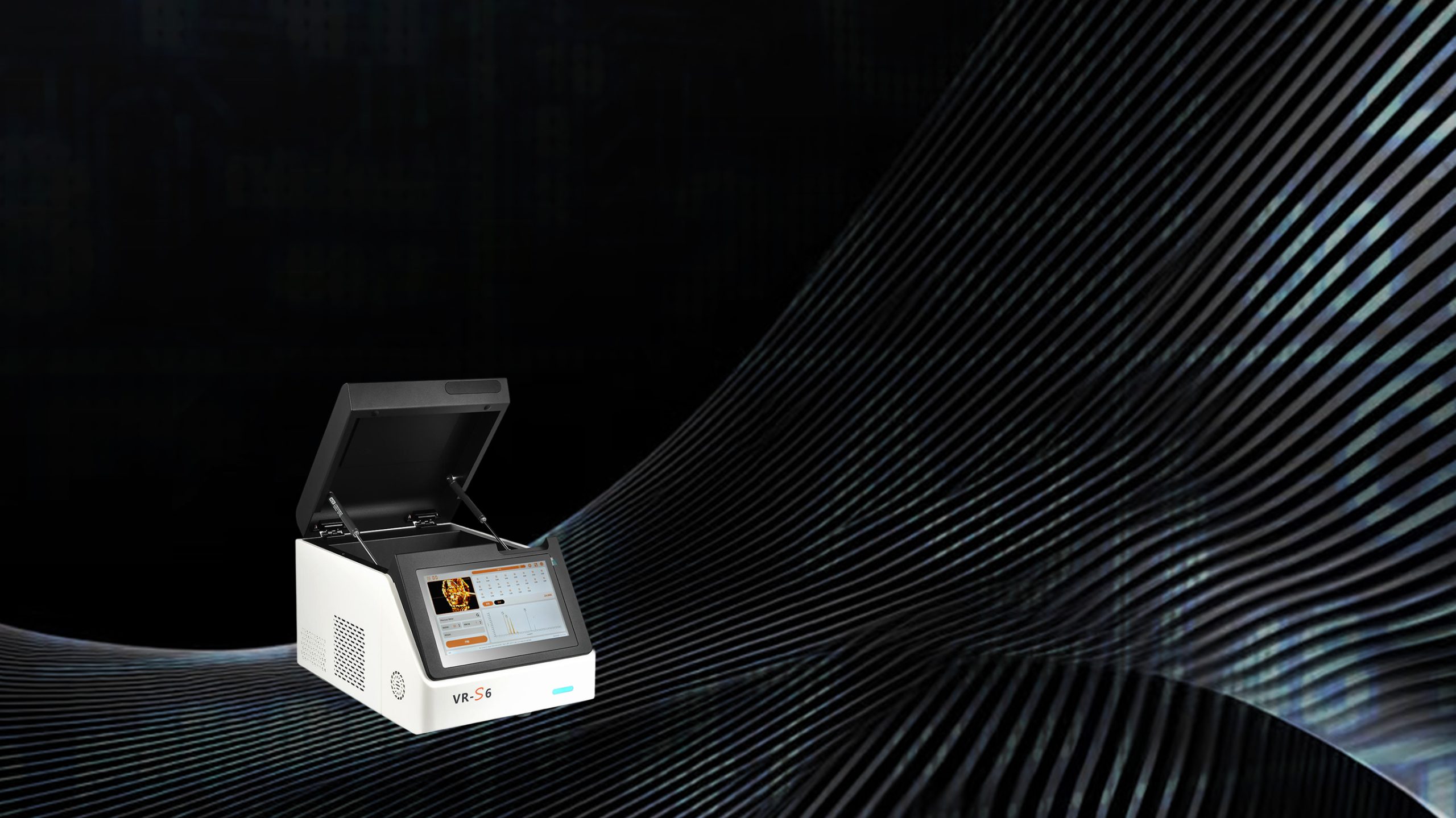
GUIDEBG

XRF Spectrometers Guide: Everything You Need to Know

XRF spectrometers provide fast, non-destructive analysis of metals, alloys, and coatings. This guide covers how they work, key features, applications, and benefits, helping you choose the right solution for accurate and efficient material testing.

What Is the Best Gold Testing Kit for Beginners?

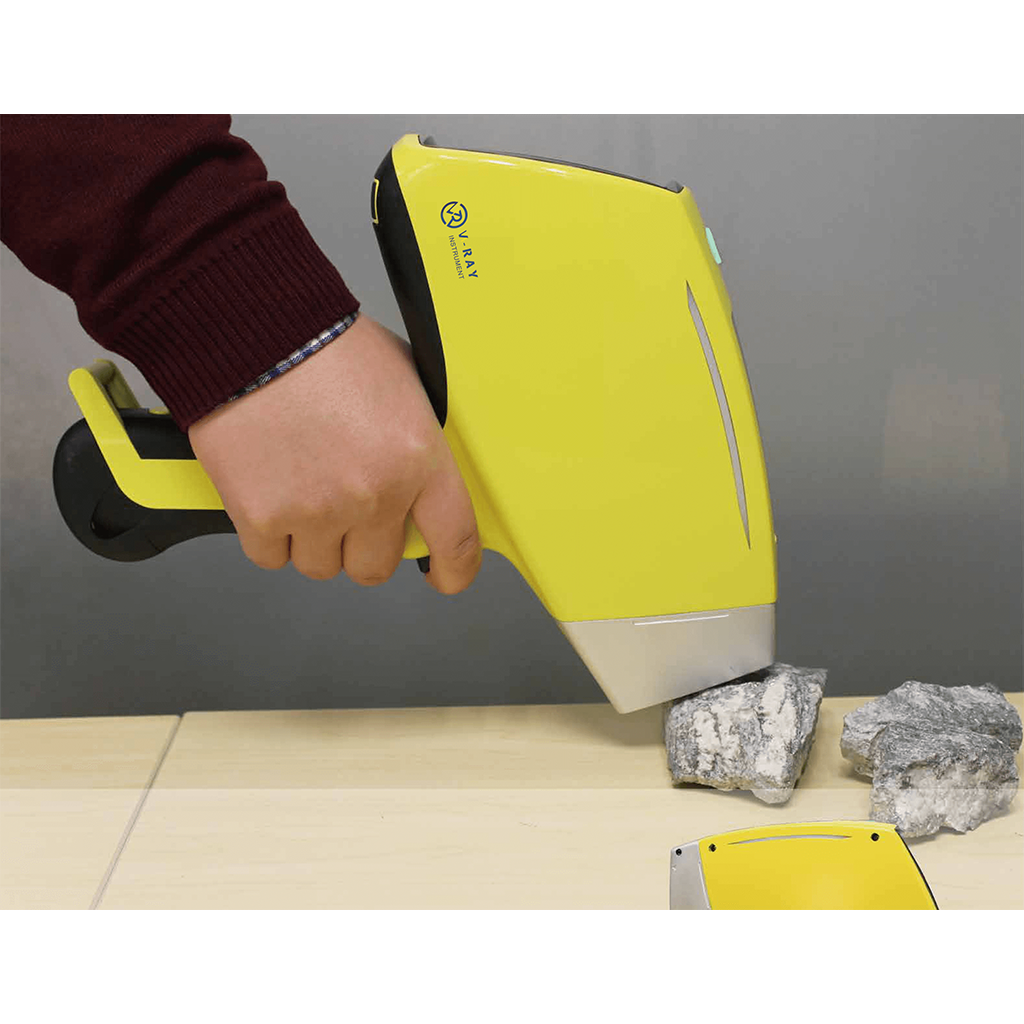
If you’re just getting started with gold testing, it’s easy to feel overwhelmed by all the options out there. After trying out multiple devices, one stood out as especially beginner-friendly: the VRAY VR-H5 handheld gold analyzer. You don’t need a technical background to use it—it works right out of the box, gives fast results, and delivers accuracy you can trust. Whether you run a small jewelry store, deal in secondhand gold, or just want to check the value of your collection, this is the perfect entry-level tool that makes gold testing easy. Why Choose a Handheld XRF Gold Tester Over Traditional Methods? For years, acid kits were seen as the go-to solution for gold testing. However, they come with several downsides—risk of false positives, corrosive chemicals, damage to the item, and the need for experience to interpret results correctly. Electronic testers, while somewhat safer, often struggle with accuracy, especially for high-karat gold or plated items. By contrast, XRF analyzers use non-destructive X-ray technology to read the elemental composition of a metal in real time. This makes them more suitable for testing finished jewelry, coins, scrap gold, and even electronic components containing trace amounts of precious metals. With just a few clicks and no sample preparation, beginners can get reliable purity readings without damaging the material being tested. Introducing the VRAY VR-H5: The Best Entry-Level XRF Gold Tester If you’re new to the gold industry and looking for a reliable way to verify gold purity, the VRAY VR-H5 is a game-changer. ✅ Key Features That Matter to Beginners: Portable and lightweight: The VR-H5 fits in one hand and can easily travel between store locations, pawn shops, or trade shows. Real-time testing: Get results in seconds with no need for acid or fire. Easy operation: Features an industrial-grade touchscreen and intuitive interface—no technical background required. Advanced safety: Built-in gravity sensing and radiation auto-shutdown enhance user safety, even for first-timers. No sample damage: Test coins, jewelry, or scrap without leaving a mark. Who Should Use the VR-H5? Independent jewelers and retail shop owners Pawn brokers and second-hand gold buyers Mobile gold recycling service providers Hobbyists and gold enthusiasts who want to verify their collection The VR-H5 is not just beginner-friendly—it’s also trusted by professionals. Its performance, portability, and protective features make it the ideal entry point into the world of professional gold testing. What Makes VRAY Instruments Different? Unlike generic testing kits or basic devices sold online, VRAY Instruments specializes in high-precision precious metal analysis. Every device is backed by a team of professionals, an industry-leading R&D department, and a reputation built on innovation and trust. Over 10 types of gold testing analyzers designed for different user levels and needs Unmatched support from technical specialists who guide you beyond the product Real-time customer service and product training upon request Regular software updates to enhance testing accuracy and interface usability With VRAY, you don’t just buy a device—you invest in a long-term testing solution tailored to your growth, whether you’re a beginner or on

Can a Precious Metal Analyzer Detect Platinum?

A precious metal analyzer can accurately detect platinum. Modern XRF-based analyzers are specifically designed to identify and quantify platinum, along with other high-value metals like gold, palladium, and rhodium. Whether you’re assessing recycled jewelry, refining materials, or testing raw alloys in a manufacturing setting, a quality precious metal analyzer can detect platinum’s presence and measure its purity within seconds — non-destructively. Why Detecting Platinum Matters Platinum is one of the most valuable and sought-after metals in the precious metals industry. Used extensively in high-end jewelry, automotive catalysts, electronics, and investment products, it commands a premium price — but is often difficult to visually distinguish from similar metals. Traditional testing methods such as acid tests are not only time-consuming but also potentially damaging to the sample. In contrast, a precious metal analyzer, particularly one using X-ray fluorescence (XRF) technology, offers a non-destructive, accurate, and fast alternative. For businesses dealing in platinum — whether buying, selling, recycling, or manufacturing — the ability to verify content on-site provides confidence, eliminates disputes, and builds trust with customers and suppliers alike. How Precious Metal Analyzers Detect Platinum While each device may vary in design, all high-performance analyzers function on the same principle: they use focused X-ray beams to excite the atoms in the sample. These atoms then emit characteristic energy signatures that are captured and interpreted by the analyzer’s detector system. Platinum has a unique spectral signature, allowing it to be easily distinguished from other metals, even in complex alloys or layered coatings. Devices like VRAY’s advanced XRF analyzers are built to handle such precise tasks. They not only identify the presence of platinum but also quantify its percentage within an alloy, with minimal need for sample preparation. Common Use Cases for Platinum Testing The ability to detect platinum quickly and accurately is vital in several industries: Jewelry Appraisal & Retail: Verifying the platinum content of rings, necklaces, and custom pieces ensures fair pricing and boosts customer trust. Recycling & Refining: Recovered materials from electronics, catalytic converters, or jewelry are assessed for resale and processing. Manufacturing QC: Industrial components that include platinum require strict quality assurance to meet performance standards. Pawn & Consignment: Accurate on-the-spot platinum verification helps determine collateral value. Recommended VRAY Instruments for Platinum Detection VRAY Instruments offers a wide range of XRF precious metal analyzers tailored for platinum detection — from portable handhelds to benchtop laboratory systems. Each is designed to deliver high-speed, lab-grade accuracy with no sample destruction. 1. VR-X5 XRF Gold Analyzer Though marketed for gold, this analyzer offers powerful multi-element detection, including platinum. Equipped with a highly sensitive Si-PIN detector, the VR-X5 can analyze over 20 elements with excellent precision. Its integrated computer and HD touchscreen interface make it ideal for jewelry shops and quality control labs. Best For: Jewelry professionals, metal recyclers, and small-scale refiners. 2. VR-T6 High-Precision Desktop Analyzer With its advanced Multi-FP algorithm and optional micro-focus X-ray, the VR-T6 excels at analyzing platinum in irregular or coated samples. Its all-in-one design, from the analyzer to the

What Is the Role of the Collimator in XRF?

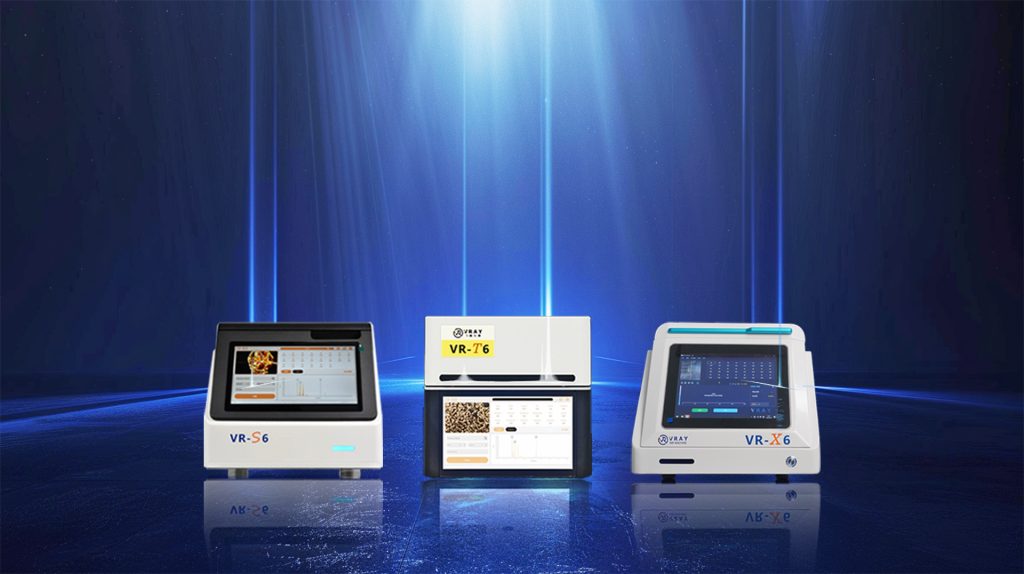
In X-ray fluorescence (XRF) spectrometry, a collimator plays a critical role in ensuring accurate and reliable analysis by directing the X-ray beam and minimizing unwanted radiation. It works by narrowing and shaping the beam emitted from the X-ray tube, allowing only the required part of the radiation to reach the sample. This reduces background noise, improves measurement precision, and helps isolate the area being analyzed. Without a collimator, the X-ray beam would scatter, resulting in lower resolution and potential interference from adjacent areas on the sample. In practical applications, especially in industries like jewelry appraisal, gold recycling, and manufacturing quality control, the collimator ensures that even tiny or irregularly shaped samples are measured with precision. Why Does an XRF Analyzer Need a Collimator? When using an XRF analyzer to test gold, silver, or any other material, the goal is to achieve accurate elemental readings with minimal interference. The collimator acts like a guide for the X-ray beam—it restricts and focuses the path of radiation so it hits only the target sample area. This control: Increases measurement precision, especially when working with small samples like jewelry or intricate components. Reduces scatter radiation, which otherwise introduces errors in the detected signal. Improves repeatability, allowing users to get consistent results even across different testing sessions or operators. This is especially important in non-destructive testing, where you can’t afford to damage the sample and must rely solely on the clarity of the X-ray spectrum. How the Collimator Works Inside an XRF Analyzer In an XRF device, the X-ray tube emits radiation toward the sample. But without guidance, this beam would spread out, losing energy and introducing measurement noise. A collimator is installed between the X-ray source and the sample to channel the beam into a narrow, directed path. In portable and benchtop models alike, the integration of a collimator enhances the analyzer’s ability to distinguish between closely related elements—like separating gold from platinum or palladium, even when they coexist in alloys. Collimator and Sample Versatility One of the major challenges in XRF testing is dealing with different sample types—flat, curved, small, large, or uneven surfaces. The collimator helps solve this by: Narrowing the beam to suit small or irregular test zones Avoiding edge interference on uneven or layered samples Allowing better detection of coatings, plating, and layered materials This is especially valuable when testing recycled jewelry, watch parts, or mixed alloy components where precision is vital and sample surfaces are not uniform. How VRAY Integrates Collimator Technology At VRAY Instruments, we prioritize both performance and safety in our XRF analyzers. All our major models—from benchtop units like the VR-T6 and VR-S6, to portable options like the VR-M5 and VR-H5—integrate precision-engineered collimators as part of their X-ray guidance and shielding system. This attention to design ensures: Accurate beam focus for testing small and complex sample geometries Reduced spectral interference for cleaner and sharper readings Improved safety profiles for daily use in retail, lab, and field environments Our collimator assemblies are manufactured to strict tolerances, ensuring

How to Tell If Gold Is Real Without Acid?

How can you determine whether gold is real—without using acid, scratching the surface, or damaging a valuable item? Traditional acid testing is no longer the only option. It’s not only tedious to perform but can also harm the metal’s surface. Today, more modern, safer, and highly accurate methods are available to quickly verify the authenticity of gold without the need for acid. This article will walk you through these methods in detail and introduce professional solutions widely adopted across the industry. Non-Acid Methods to Identify Real Gold 1. Visual Inspection The first and most accessible method is to look for hallmarks or stamps. Genuine gold items typically carry a mark such as “18K,” “750,” or “24K,” indicating the karat value or fineness. However, counterfeiters can fake these marks too. So, while it’s a good starting point, don’t rely solely on this. 2. Magnet Test Gold is not magnetic. Try placing a strong magnet near the item—if it sticks or moves, the item likely contains iron or another magnetic metal. Still, this only reveals the presence of ferromagnetic metals and may not detect non-magnetic fakes. 3. Weight and Size Comparison Real gold is denser than most fake materials. If you have a real gold item of the same size, compare their weight in your hand or on a digital scale. If the suspect piece feels unusually light, it might not be real gold. 4. Scratch and Sound Test Pure gold is soft and does not make a “ringing” sound when dropped—it produces a dull thud. You can try lightly tapping it on a ceramic plate or listening to the sound it makes when dropped on a hard surface. Again, while this offers clues, it’s far from precise. 5. Use of XRF Gold Tester – The Most Reliable Method Without Acid While the above methods are simple and inexpensive, they lack precision and can’t provide a definitive answer. If you’re serious about verifying gold authenticity—especially in professional or high-volume settings—the best solution is a handheld or benchtop XRF (X-ray fluorescence) gold analyzer. XRF spectrometers analyze the metal composition instantly, providing accurate readings of the gold content and detecting the presence of other metals like silver, copper, or nickel. This method is: Non-destructive Extremely fast (results in seconds) Highly accurate Applicable to all forms of gold — jewelry, coins, scrap, and raw materials Why Choose VRAY Instruments for Non-Destructive Gold Testing? At VRAY Instruments, we specialize in professional XRF gold analyzers designed to meet the needs of jewelers, pawn shops, recyclers, and gold refiners who want a clean, accurate, and acid-free solution to verify gold. Here are three of our top-selling, acid-free gold testers: ✅ VR-H5 Handheld Gold Analyzer Perfect for mobile gold buyers, pawn shops, and recyclers. Lightweight, compact, easy to carry Real-time analysis in seconds Drop-sensor and dual-beam technology for added safety and accuracy Ideal for on-site gold recycling and testing services ✅ VR-T9 High-Purity Gold Analyzer Tailored for businesses that deal with ultra-pure gold (up to 99999). ±0.001% accuracy for

Where to Buy an XRF Gold Testing Machine?

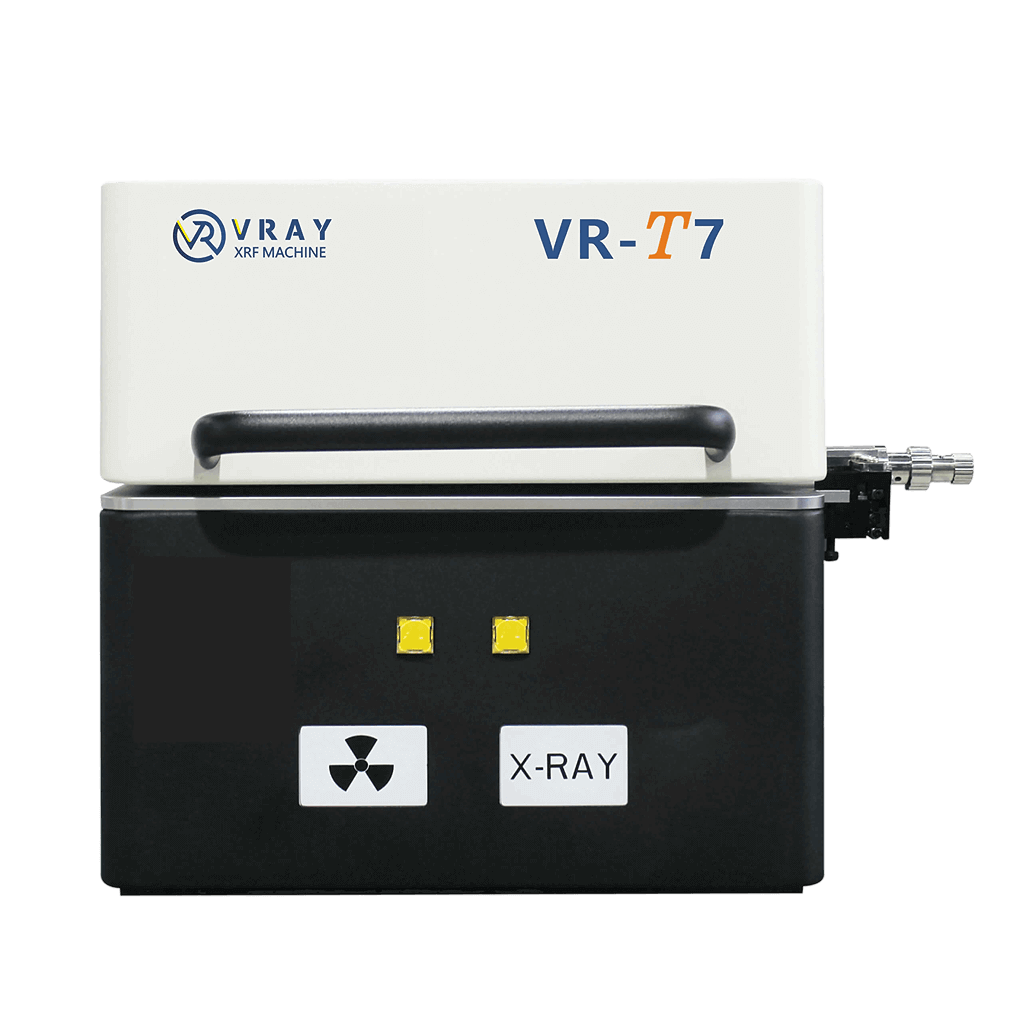
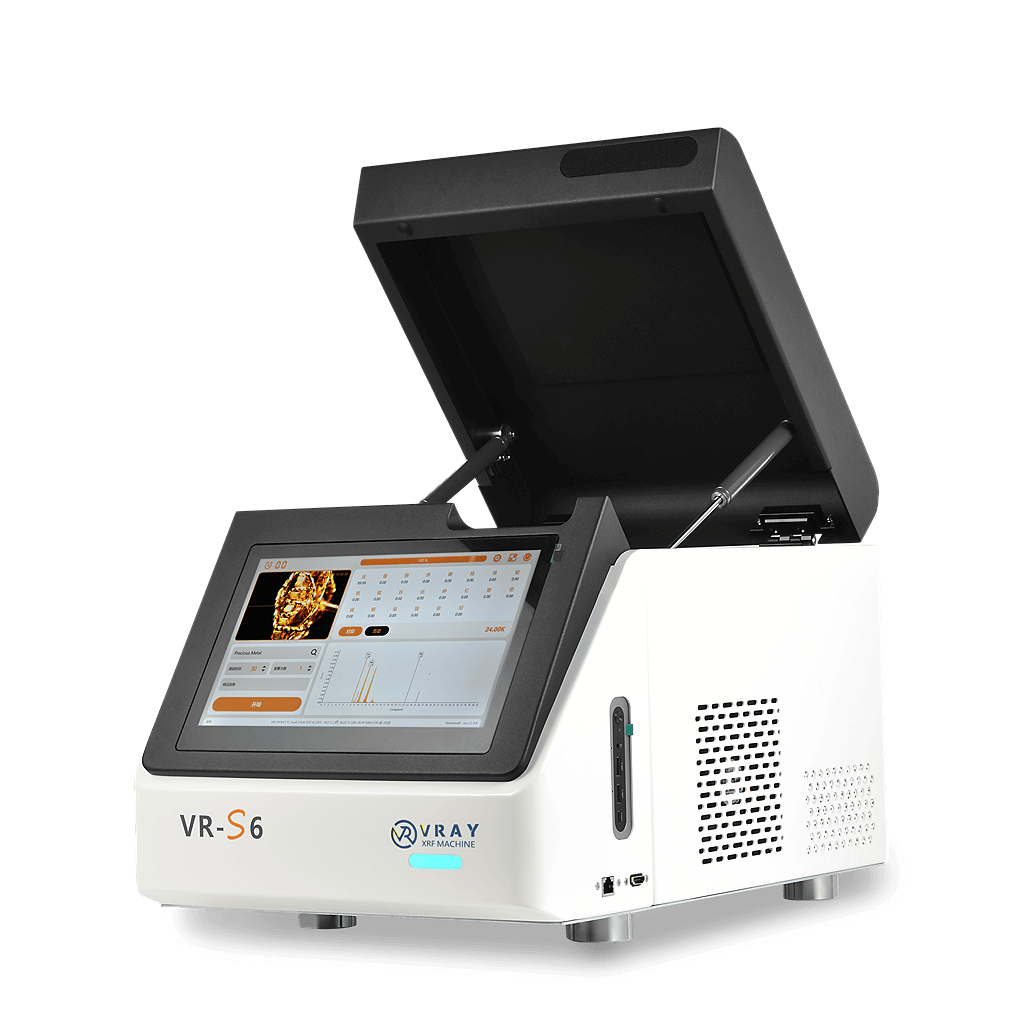
Whether you are a jewelry retailer, a gold recycling professional, or an independent appraiser, buying directly from a reputable manufacturer ensures you receive not only authentic equipment but also expert guidance tailored to your needs. One of the most trusted options in the market is VRAY Instruments, a company with a proven track record of delivering advanced, dependable solutions for precious metal analysis. Purchasing an XRF gold testing machine should never be just about the lowest price. The decision affects your workflow, your reputation, and your ability to serve your customers with confidence. Below, you’ll find practical considerations, detailed product information, and guidance on why buying directly from VRAY Instruments is a smart investment. Why Buying Direct from the Manufacturer Matters When you search online for where to buy an XRF gold testing machine, you will see dozens of resellers, marketplaces, and brokers. Many advertise attractive discounts or short delivery times. However, purchasing through unofficial channels often carries risks: incomplete warranties, outdated software, lack of calibration support, or counterfeit devices. By sourcing directly from the manufacturer, you benefit from guaranteed authenticity, complete technical support, and direct access to the latest technology updates. VRAY Instruments offers a streamlined purchasing process, transparent pricing, and a team of experts to walk you through model selection, installation, and training. Explore VRAY’s Range of XRF Gold Testing Machines VRAY Instruments has developed a comprehensive portfolio of XRF analyzers designed for different scenarios, from small jewelry shops to industrial recycling facilities. Here are some examples of the models you can buy directly: VR-X3: Ideal for jewelers who need precise, fast purity verification. This model integrates an industrial PC and a user-friendly touchscreen, with intelligent safeguards like X-ray tube overheating protection. VR-X5: A step up in sensitivity and versatility, testing over 20 elements with a specially designed Si-PIN detector. If your business handles a variety of alloys, this system provides advanced performance without complexity. VR-M5 Portable Analyzer: For mobile professionals and field testing, the VR-M5 combines a compact body, long battery life, and accurate results anywhere you need them. VR-T Series (T5, T6, T7, T9): These benchtop systems are built for high-throughput labs and precious metal processors, combining advanced Multi-FP algorithms, optional micro-focus X-ray devices for tiny samples, and intuitive controls. VR-S6: A sleek, space-saving spectrometer with full elemental coverage, ±0.03% precision, and a built-in 11.6” touchscreen. It’s designed for professionals who need lab-grade results with minimal footprint. Each of these instruments comes factory-calibrated and ready to use. VRAY supports every sale with personalized installation, operator training, and ongoing technical assistance. What to Look For When Buying Before placing your order, consider these practical tips to ensure the equipment matches your expectations: Intended Use: Are you verifying purity in a retail environment or processing large batches in a recycling facility? Clarify the main applications and choose a model aligned with your workflow. Ease of Operation: Look for a machine that offers clear software interfaces, fast startup, and minimal training time. Portability: If you need to test materials

What’s the Cheapest XRF Gold Tester Available?

What is the most affordable option available in the XRF gold testing market today? If you’re looking for a balance between accuracy, ease of use, and affordability, the VRAY VR-M5 Portable Gold Tester stands out as one of the most competitively priced and feature-rich devices in its class. While several brands offer budget-friendly XRF devices, many of them sacrifice reliability or technical support. VRAY’s VR-M5, on the other hand, delivers dependable results, is backed by a professional team, and meets the demands of real users in retail, recycling, and small-scale production environments—all at a cost that doesn’t break the bank. Why Affordability Matters When Choosing a Gold Tester For small businesses, startups, and individual buyers, purchasing a high-end lab-grade gold tester can be cost-prohibitive. Yet the demand for gold purity testing—especially in resale, recycling, or quality assurance—is very real. Users in these sectors need a solution that offers accurate results with minimal learning curve, at a price point that makes sense. A low-cost XRF gold tester is ideal for: Independent jewelry retailers verifying gold purity Pawnshops needing quick authentication Mobile gold recovery or purchasing teams Small workshops doing material inspection Recycling centers evaluating mixed metals Introducing the VR-M5: High Performance in a Budget-Friendly Package VRAY’s VR-M5 Portable XRF Gold Tester is designed specifically for users who need fast, accurate, and non-destructive analysis without investing in bulky or expensive lab equipment. Here’s what makes it the top choice for budget-conscious professionals: Compact and Lightweight The VR-M5 is built for mobility. With a lightweight body and compact design, it fits easily into small retail spaces or can be taken off-site for mobile operations. Whether you’re testing on a shop counter or at a customer’s location, it’s ready to go. Quick and Accurate Testing Equipped with a high-sensitivity Si-PIN detector imported from the USA, the VR-M5 offers reliable detection of gold, silver, and other precious metals. The results are delivered in just a few seconds, helping you make fast decisions with confidence. User-Friendly Interface The retractable color touchscreen display and intuitive software make it accessible for users with minimal technical background. You can customize the test time based on sample type, making it adaptable for different scenarios. Long Battery Life A smart power management system ensures up to 8 hours of battery life with a single charge, making it ideal for extended fieldwork or busy retail days. Built-In Safety and Imaging With an automatic radiation protection system, the VR-M5 ensures user safety. A built-in 5MP camera allows you to capture and reference the sample’s appearance alongside your test results—perfect for documentation and customer assurance. How the VR-M5 Compares to Other Entry-Level Devices While some entry-level testers from other brands might look appealing due to a lower initial price, they often come with trade-offs: Lower accuracy and fewer elements detected Longer testing times Lack of after-sales service or local support Poor durability in high-use environments The VR-M5 is different. It bridges the gap between affordability and performance. Plus, it comes with VRAY’s commitment to

What Is X-Ray Fluorescence Spectroscopy Used For?

From the gleam of fine jewelry to the invisible safety standards in electronics, X-ray fluorescence spectroscopy (XRF) is the silent powerhouse behind the scenes. Businesses across industries rely on it to reveal a material’s true composition swiftly and accurately. Whether it’s verifying the purity of gold, ensuring compliance with environmental laws, or authenticating industrial alloys, XRF provides actionable insights that protect investments, ensure quality, and maintain customer trust. Unlike destructive testing methods that damage or destroy valuable samples, XRF allows professionals to perform precise, non-destructive analysis on metals, powders, liquids, and even coatings. Its combination of speed, precision, and minimal sample preparation makes it an indispensable tool for professionals who need reliable answers—fast. How X-Ray Fluorescence Spectroscopy Works in Real-World Applications At its core, XRF measures the unique “fingerprint” of elements in a sample. When materials are exposed to high-energy X-rays, their atoms emit fluorescent X-rays specific to each element. Detecting and measuring these emissions allows the XRF instrument to identify what elements are present and in what quantities. But beyond the science, what truly matters is how this technology translates into real-world solutions. Precious Metal Analysis: Protecting Trust and Value In the precious metals industry, trust hinges on knowing exactly what a piece of metal contains. Jewelers, refineries, pawnshops, and recyclers depend on XRF to confirm the purity and value of gold, silver, platinum, palladium, and other precious metals. XRF can quickly distinguish between solid gold and gold-plated items, detect alloy compositions, and verify high-purity metals essential for manufacturing or investment. For example, VRAY Instruments offers specialized gold analyzers such as the VR-X5 XRF Gold Analyzer and VR-H5 Handheld Analyzer, both designed for fast, precise purity testing. These instruments support professionals who need to guarantee authenticity for buyers and sellers alike. Recycling and Sustainability: Turning Waste Into Value Precious metals often end up in electronic scrap, obsolete jewelry, or industrial waste. Efficient recycling demands precise analysis to identify valuable elements before refining. XRF provides recyclers with a fast, reliable method to determine metal composition and estimate potential returns. This reduces waste, minimizes environmental impact, and recovers significant economic value. VRAY’s portable solutions, like the VR-M5, allow recyclers to test materials directly at collection points, helping maximize profitability and ensure regulatory compliance. Manufacturing Quality Control: Keeping Standards High In manufacturing industries, even tiny variations in alloy composition can lead to costly failures or product recalls. XRF ensures manufacturers maintain rigorous quality control over raw materials and finished products. From checking the purity of gold used in jewelry production to verifying complex alloys in electronics, XRF provides immediate, precise results that reduce production errors. In the jewelry sector, instruments like the VR-XAU and VR-XD1000 analyzers from VRAY deliver top-down or bottom-up analysis, allowing precise measurements of coatings, micro-samples, and irregular surfaces. These features are critical for manufacturers who produce intricate or high-value items and need detailed quality documentation. Counterfeit Detection: Protecting Reputation and Revenue Counterfeit precious metals threaten both reputations and financial security. Fake gold bars, misrepresented alloys, and fraudulent jewelry

Which Is the Best XRF Machine for Small Labs?

Choosing the right XRF machine for a small laboratory comes down to precision, versatility, and cost-effectiveness.In practical terms, the VR-S6 benchtop XRF spectrometer emerges as an outstanding solution for small laboratories seeking to optimize quality control, precious metal analysis, or research applications. It’s designed specifically for labs that demand accurate elemental analysis but have limited workspace and need a seamless, user-friendly workflow. Why Small Labs Need the Right XRF Machine Small laboratories operate under unique pressures. Limited bench space, constrained budgets, and high demands for accurate data mean every instrument must justify its footprint. Traditional XRF machines, while powerful, can be large and cumbersome, requiring external PCs or additional cooling systems. This complexity can slow workflows and increase maintenance costs. For labs analyzing precious metals, coatings, alloys, or recycled materials, XRF offers the essential benefits of non-destructive testing, fast results, and broad elemental coverage. However, not all XRF machines are equally suitable for smaller spaces. The ideal system must blend precision with an efficient footprint. Features to Look for in an XRF Machine for Small Labs When evaluating XRF machines for a small lab, key factors include: Compact Size: Bench space is often limited. A smaller machine helps maintain an organized lab without sacrificing performance. Integrated Operation: Instruments with built-in computers and touchscreens reduce clutter and simplify workflows. Speed and Precision: Small labs can’t afford repeated tests or uncertain results. High detection limits and stable results are crucial. Elemental Range: The machine should detect a broad range of elements to serve diverse testing requirements. Ease of Use: Non-technical staff should be able to operate the machine with minimal training. Low Maintenance: Small labs benefit from systems requiring fewer consumables and less servicing. Why VR-S6 Is the Best Choice for Small Labs The VR-S6 from VRAY Instruments stands out as the best XRF machine for small laboratories. Here’s why it’s perfectly suited to meet the challenges lab managers face: Compact, Space-Saving Design The VR-S6 has a footprint up to 30% smaller than many traditional benchtop analyzers. It fits easily on crowded lab benches or even inside gloveboxes for specialized testing environments. For labs where every centimeter counts, this is a major advantage. All-in-One Integration Unlike older machines requiring external PCs or monitors, the VR-S6 is completely self-contained. It integrates the analyzer, computer, cooling system, and safety interlocks into a single chassis. The 11.6” integrated touchscreen makes operation intuitive, so users can perform tests and view results immediately without extra devices cluttering the workspace. Exceptional Analytical Performance Despite its small size, the VR-S6 doesn’t compromise on power. It offers full elemental coverage from potassium (K) to uranium (U), with precision reaching ±0.03%. Whether testing gold purity, alloy compositions, or trace elements, labs get fast, repeatable results crucial for quality control and compliance. Fast, Non-Destructive Testing The VR-S6 delivers rapid analysis for solids, liquids, and powders without requiring extensive sample preparation. This feature increases lab efficiency and throughput—a significant advantage in settings where time and resources are limited. User-Friendly Operation The touchscreen interface

Which Gold Tester Machine Gives Instant Results?

When you need to know whether your gold is real—and exactly how pure it is—waiting around for lab reports isn’t an option. The fastest and most reliable way to get instant results is by using a professional XRF gold tester machine. These advanced analyzers can tell you the precise composition of gold in seconds, right where you do business. Whether you run a jewelry shop, a pawn shop, or a recycling operation, the right machine gives you confidence, saves time, and helps you serve customers without delay. In this guide, you’ll discover which gold testers deliver immediate results, how they work, and which models are trusted by professionals worldwide. Which Machines Provide Instant Gold Test Results? Handheld and benchtop XRF analyzers are the tools that professionals choose when they need speed. Devices like VRAY’s VR-H5 handheld analyzer and the benchtop models such as VR-X5, VR-M5, or VR-S6 deliver rapid readings in a few seconds. Here’s how these solutions help: Fast Scanning: Most results appear within 1–5 seconds. No Preparation Needed: You place the sample directly under the device or on its measurement window. Non-Destructive: The metal piece remains untouched—no scraping, filing, or chemical exposure. Portable Options: Devices like VR-H5 are lightweight and battery-powered for mobile use. Accurate Readings: They identify even small differences in gold purity, essential for fair transactions. Older methods—like acid testing—are slower, risk damaging the piece, and require manual interpretation. XRF analyzers have revolutionized how quickly and reliably you can test gold. Introducing VRAY’s Instant-Result Gold Testers VRAY specializes in creating high-performance XRF analyzers designed for businesses needing fast, reliable gold testing. Here’s how some VRAY products meet the demand for instant results: VR-H5 Handheld Gold Analyzer Perfect for mobile testing or on-site visits, the VR-H5 is a lightweight device that fits comfortably in one hand. It offers: Results in seconds Compact, durable build Industrial-grade touchscreen for easy operation Smart battery management lasting up to 8 hours Gravity sensor that shuts off the device if dropped, protecting your investment Ideal for gold buyers who visit clients, pawnshops performing appraisals on the spot, and recyclers working in various locations. VR-X5 Benchtop Gold Analyzer For jewelry stores or quality labs, the VR-X5 offers instant results with advanced accuracy: Fully integrated computer and HD display Specially designed silicon detectors for high sensitivity Capability to test over 20 different elements Designed for high-throughput environments It’s excellent for jewelers who want to show customers a purity result right away or for manufacturers verifying gold quality during production. VR-M5 Portable Gold Analyzer If you want the flexibility of a benchtop device but also portability, the VR-M5 delivers: Compact, lightweight frame Retractable color touchscreen Built-in 5MP HD camera for capturing test records Non-destructive testing in seconds This model suits smaller shops, quality-control teams, and mobile gold-buying businesses looking for professional-grade testing. VR-S6 Benchtop Spectrometer For businesses that demand both speed and sophisticated analysis, the VR-S6 combines: Precision of ±0.03% for purity measurements Sleek design fitting even crowded spaces Integrated touchscreen, eliminating the need for

How Accurate Are Portable XRF Analyzers for Gold?

Modern portable XRF analyzers are impressively accurate for testing gold, especially when used correctly and calibrated for the specific materials you’re testing. For professionals handling high-value metals, a quality device often matches or closely approaches laboratory-grade results. Yet, accuracy isn’t just a single number—it’s influenced by several factors, from how the device is built to how skilled the user is. If you’re considering investing in a portable XRF analyzer, understanding these factors can help you choose wisely and avoid costly mistakes. Why Accuracy Matters So Much in Gold Testing Even a fraction of a percentage difference in gold purity can translate into significant monetary value. For a jeweler buying scrap gold from customers, underestimating purity means overpaying; for a refinery, it could mean significant losses across large batches. That’s why businesses can’t afford guesswork. Traditional testing methods like fire assay are precise but destructive, slow, and often impractical for everyday business use. Portable XRF analyzers fill that gap, delivering results in seconds without scratching or melting the gold piece. How Portable XRF Analyzers Achieve High Accuracy Portable XRF analyzers work by bombarding the sample with X-rays and reading the unique “fingerprints” emitted by different elements. However, not all devices are created equal. Several key factors affect accuracy: Detector Type: Devices equipped with high-quality silicon detectors, such as Si-PIN sensors, can capture low-energy signals crucial for measuring lighter elements and trace impurities. VRAY’s VR-M5 and VR-H5, for example, use advanced Si-PIN technology for enhanced sensitivity. Calibration Standards: Good manufacturers provide carefully prepared calibration standards matching different gold alloys and karats. Using the right calibration data ensures the analyzer interprets signals correctly. Sample Surface Condition: Dirt, plating, or irregular surfaces can distort results. Many professionals clean the surface lightly and take multiple readings for better consistency. Measurement Time: Longer testing times can improve accuracy. VRAY’s analyzers let users customize measurement times, balancing speed with precision. Software Algorithms: Advanced computation helps the analyzer distinguish overlapping signals and reduce interference. VRAY integrates sophisticated algorithms into its software, minimizing errors. How Accurate Are Portable XRF Analyzers in Real Numbers? For pure gold analysis (like 24k), top-tier portable XRF analyzers typically achieve an accuracy within ±0.1% to ±0.3% in gold concentration under normal conditions. For lower karats or alloys with multiple metals, accuracy might vary slightly but usually remains well within ±1%. VRAY’s VR-M5, for instance, provides highly repeatable measurements suitable even for demanding applications like pawnshops, jewelry quality control, and recycling. Its portable format and Si-PIN detector help maintain precision without sacrificing convenience. Can Portable Analyzers Detect Fake Gold or Plating? A significant advantage of portable XRF is its ability to detect plating or counterfeit pieces. The X-rays penetrate surface coatings, revealing what lies beneath. However, depth penetration is limited—usually around a few microns to tens of microns. If a fake item is cleverly plated with thick gold, a handheld analyzer might require additional readings from different angles or higher power settings. For professionals dealing with suspicious items or high-value transactions, combining XRF readings with

What’s the Difference Between XRF and EDXRF Spectrometer?

X-ray Fluorescence (XRF) is a widely used analytical technique for identifying and quantifying the elemental composition of materials. Within the XRF family, there are two primary types of technologies: Energy Dispersive XRF (EDXRF) and Wavelength Dispersive XRF (WDXRF). Although they share the same fundamental principle—using X-rays to excite atoms and detect their emitted radiation—the two methods differ significantly in detection mechanisms, resolution, speed, and application scenarios. In this article, we’ll explore the key differences between EDXRF and WDXRF, and how VRAY Instrument’s EDXRF solutions can support your precise testing needs. What Is EDXRF? Energy Dispersive X-ray Fluorescence (EDXRF) uses a solid-state detector (such as SDD or Si-PIN) to measure the energy of emitted X-rays from a sample. It records the full energy spectrum simultaneously, making it a fast and flexible solution for multi-element analysis. Key Features of EDXRF: Faster analysis time – all elements are measured at once. Compact and portable options available. Lower cost and easier operation. Ideal for on-site or general laboratory testing. What Is WDXRF? Wavelength Dispersive X-ray Fluorescence (WDXRF) uses diffraction crystals to separate X-rays by wavelength and measure them sequentially using a goniometer. This approach yields higher resolution and sensitivity, particularly for detecting elements with overlapping spectral lines. Key Features of WDXRF: Superior spectral resolution – better separation of closely spaced lines. Higher accuracy and precision, especially for trace elements. Stable for long-term laboratory use. Typically used in large-scale industrial or research laboratories. EDXRF vs. WDXRF: Comparison Table Feature EDXRF WDXRF Detection Principle Measures X-ray energy directly Measures wavelength using crystals Analysis Speed Fast (simultaneous detection) Slower (sequential scanning) Resolution Moderate High (better separation of overlapping peaks) Sensitivity Good for major/minor elements Excellent for trace element detection Portability Compact, available in handheld and benchtop Large, bench-based only Cost Lower Higher due to complex optics Typical Use Case Jewelry, metal recycling, RoHS, alloys Cement, petrochemicals, mining, environmental labs Applications of EDXRF and WDXRF EDXRF Applications Precious metals analysis (gold, silver, platinum) RoHS compliance testing Jewelry authentication Scrap metal recycling Coating thickness measurement (with specialized models) On-site testing and handheld usage WDXRF Applications Geological and mineral analysis Cement and building materials Petrochemical and fuel analysis High-precision environmental monitoring Academic or R&D labs with complex samples Why Choose VRAY’s XRF and EDXRF Instruments? While WDXRF is ideal for high-end, trace-level analysis in specialized labs, EDXRF offers a balance of performance, portability, and affordability—and that’s where VRAY Instrument excels. VRAY’s Advantages in EDXRF Technology: Fast and accurate detection for 7–20+ elements. Customizable models for handheld, benchtop, or all-in-one needs. Advanced detectors (SDD, gas proportional counters) to enhance sensitivity. User-friendly software with real-time results. Ideal for gold purity testing, plating thickness measurement, and non-destructive material verification. Whether you’re in the jewelry industry, recycling business, or a QC lab, VRAY’s EDXRF analyzers provide reliable, cost-effective solutions tailored to your workflow. Conclusion Both EDXRF and WDXRF are powerful techniques under the XRF umbrella, each with its strengths: Choose EDXRF if you need fast, cost-effective, and flexible analysis—especially suitable for jewelry, metals, and

Can a Handheld XRF Spectrometer Detect Silver?

A handheld X-ray fluorescence (XRF) spectrometer is a professional tool that can provide fast and accurate analysis of metal materials under non-destructive conditions, so it is fully capable of accurately detecting silver. However, the accuracy of silver detection depends on factors such as the model of the spectrometer, the type of material, and the detection capabilities of the software. Next, this article will introduce in depth the working principle of a handheld XRF spectrometer and its practical application in silver detection to help everyone resolve their doubts. How Handheld XRF Spectrometers Work XRF spectroscopy is a well-established and reliable analytical technique used to identify and quantify elements in a sample. The basic principle of XRF is that when a material is exposed to high-energy X-rays, the atoms in the material will emit secondary (or fluorescent) X-rays. These emitted X-rays are specific to the elements present in the material, allowing the spectrometer to determine the elemental composition. Handheld XRF spectrometers are compact devices that use this same principle but are designed for portable use. They feature a small X-ray tube that directs a beam of X-rays at the material being tested. When the X-rays interact with the material, the elements present emit their characteristic fluorescent X-rays, which are detected and analyzed by the device’s sensor. Based on the intensity and energy of the emitted X-rays, the spectrometer can identify the elements present and provide a quantitative result. In the case of silver, the XRF spectrometer detects the characteristic peaks associated with silver’s atomic structure (Ag). The device’s software then processes this data to deliver an accurate reading of silver content in the sample. Can Handheld XRF Spectrometers Accurately Detect Silver? Yes, handheld XRF spectrometers can accurately detect silver in various types of materials, including alloys, ores, coins, and jewelry. The key to success in silver detection depends on the following factors: 1. Detection Sensitivity Modern handheld XRF spectrometers have advanced sensitivity, making them capable of detecting even trace amounts of silver. However, the accuracy and precision of detection can vary based on the model of the device. High-end models, such as those offered by VRAY Instruments, provide more sensitive detectors, enabling the detection of very low concentrations of silver, making them ideal for industries that require precise measurements. 2. Sample Preparation While handheld XRF spectrometers are known for their non-destructive testing capabilities, the quality of the results depends on the condition of the sample. For accurate results, the sample surface must be clean and free from contaminants. Any oxidation or coating on the sample may interfere with the X-ray interaction, leading to inaccurate readings. It is crucial to ensure that the sample is properly prepared for testing. 3. Alloy Composition Silver is often found in alloys, where it is mixed with other metals like copper or gold. Handheld XRF spectrometers can effectively detect silver in these alloys, but the results may need to be interpreted carefully, especially if the alloy contains high concentrations of other metals. The software in high-end XRF

Topics Included in the XRF Spectrometers Guide

  • The fundamental principles of X-ray fluorescence: how XRF works and what physical phenomena make it possible.
  • Key components of spectrometers: sources, detectors, optics, and how they impact performance.
  • Types of XRF systems: energy-dispersive vs wavelength-dispersive, benchtop, portable, micro-spot, etc.
  • Calibration, limits of detection, precision vs accuracy, and how to interpret spectra.
  • Sample preparation and handling: solids, powders, coatings, liquids; surface effects and matrix effects.
  • Real-world applications: quality control, mining & geology, manufacturing alloys/coatings, regulatory compliance.
  • Comparisons & trade-offs: cost, speed, resolution, portability, and when XRF is the right tool (and when it’s not).

The Most Cited VRAY Instrument in This Section’s Articles

The VRAY VR-X5 XRF Analyzer is the most cited instrument across the articles in this section. It is frequently highlighted for its advanced technology, high precision, and reliable performance in precious metal testing. Capable of analyzing up to 20 elements, the VR-X5 delivers fast and non-destructive results, making it highly valued in jewelry, refining, and quality control applications. Its combination of speed, ease of use, and accuracy has made it a reference point for many professionals seeking trustworthy solutions in material analysis.

CONTACT US FOR EXPERT CONSULTATION

*We respect your confidentiality and all information is protected.