









GUIDEBG

XRF Spectrometers Guide: Everything You Need to Know

XRF spectrometers provide fast, non-destructive analysis of metals, alloys, and coatings. This guide covers how they work, key features, applications, and benefits, helping you choose the right solution for accurate and efficient material testing.

What Is the Best Gold Tester for Jewelry Shops?

When customers walk in with gold to buy, sell, or trade, they expect one thing above all: accuracy. Whether it’s ensuring the purity of new stock or evaluating customer items, your testing device must be reliable, easy to use, and fast. So what’s the best gold tester for a modern jewelry shop? The answer lies in combining advanced technology with practical design, and few brands deliver this better than VRAY Instruments. VRAY’s range of XRF gold testers is designed for real-world usage in busy jewelry retail environments. These devices offer non-destructive testing, instant readings, and professional-grade accuracy, ensuring shop owners and customers alike can trust every result. Below, we’ll explore the key features of a great gold tester, compare the top models offered by VRAY, and help you decide which model best fits your store’s needs. What Makes a Gold Tester Ideal for Jewelry Shops? While many devices claim to measure gold purity, jewelry shops need testers that are: Accurate across a wide range of alloys and karats Fast and easy to operate, even for non-technical staff Safe and non-invasive, without damaging the item Capable of testing various shapes like rings, chains, and coins Compact and clean enough to fit in front-end retail environments Traditional acid tests are outdated—they damage items and are prone to human error. Digital gold testers based on X-ray fluorescence (XRF) technology have become the preferred method in the industry due to their speed, accuracy, and safety. Top VRAY Gold Testers for Jewelry Shops 1. VR-X3: Reliable & Affordable for Everyday Retail Use The VR-X3 is a perfect entry-level XRF gold tester tailored for jewelry shops. It offers excellent precision using a gas-proportional counter detector and is ideal for checking the purity of gold, silver, platinum, and palladium. Why it’s great for shops: Built-in industrial computer and touchscreen One-click analysis with fast results Overheat and high-voltage protection for durability Automatic interference correction for accurate readings This model is especially popular in boutique jewelry stores where staff members value simplicity and reliability. 2. VR-X5: Versatile & Precise With Advanced Detection Need more advanced detection with wider element coverage? The VR-X5 features a silicon PIN detector tailored for high-sensitivity readings. It can test over 20 elements and is perfect for gold buying, selling, and alloy analysis. Key features: Fully integrated high-definition display—no external PC needed Enhanced element range for karat identification and trace metals Accurate results within seconds Sleek design that fits well in storefronts For stores that also buy used gold or offer trade-in services, this is the ideal mid-range model. 3. VR-T5 & VR-T6: Ideal for Shops Needing Detailed Reports If your business offers premium services or certification reports for gold content, the VR-T5 and VR-T6 are strong candidates. Both are benchtop models with Multi-FP software, advanced focusing tech, and wide sample compatibility. Why they stand out: Customizable testing reports for each customer Tests gold plating and irregular jewelry shapes From-top measurement—no repositioning needed High-speed, high-accuracy, no sample prep required These models are ideal for high-end

How Do I Check Gold Purity with a Machine?

Checking gold purity with a machine is fast, reliable, and doesn’t damage the jewelry or sample. All you need to do is place the gold item on the analysis window of a specialized gold testing machine, close the lid or trigger the scanner, and wait a few seconds. The result will appear on the screen—showing the gold percentage (such as 99.9% for 24K) and any additional elements like silver, copper, or platinum. This process, widely adopted in jewelry shops, gold recycling, and pawnshops, is based on X-ray fluorescence (XRF) technology. You don’t need to cut or scratch the gold item, and the results are both quick and precise—ideal for users who need reliable results without damaging their assets. Why More People Use Machines to Check Gold Purity Gold purity testing used to rely on acid tests, fire assays, and guesswork based on color and density. These methods were messy, slow, and could damage the gold. Modern XRF-based machines have changed the game. Whether you’re a jeweler testing a customer’s necklace, a gold trader evaluating raw materials, or a pawnshop checking authenticity before purchase, using a gold testing machine simplifies everything: No need for chemicals or manual calculation Instant and accurate results Non-destructive testing Detailed composition analysis Machines also eliminate the risk of human error and give your business greater credibility and transparency. How Does the Process Work? step1.Place the Item on the Machine Platform Simply position the gold item—be it a ring, bar, or coin—on the platform or inside the sample chamber. step2.Close the Chamber or Trigger the Scan Depending on the machine (handheld or benchtop), press the scan button or close the protective lid. step3.Wait for Results Within 5 to 30 seconds, the machine displays the purity level (like 99.5%, 75.0%, etc.) and shows other elements if present. step4.View or Print Reports Most machines let you print test results or save them digitally for quality control, reports, or resale documentation. Which Machine Should You Use? Choosing the right gold purity machine depends on your business model, testing needs, and sample types. Below are recommended models from VRAY Instruments, a trusted leader in XRF gold testing technology: ✅ For Jewelry Shops & Retail Testing Recommended Model: VR-X3 or VR-N3 Compact benchtop machines with user-friendly touchscreens Ideal for quick tests in jewelry stores and pawnshops Built-in industrial PC and intuitive operation Overheat protection and anti-interference software Suitable for gold, silver, platinum, and palladium 📌 Best for: Jewelers, boutique shops, and gold resellers ✅ For On-Site or Mobile Testing Recommended Model: VR-H5 (Handheld) Lightweight and portable for mobile appraisals or field use Quick startup with real-time results Drop-sensor and auto shut-off protection Dual-beam design for better accuracy 📌 Best for: Gold recyclers, mobile buyers, and traveling appraisers ✅ For High-Volume or High-Purity Verification Recommended Model: VR-T9 High-precision testing with ±0.001% accuracy Supports spectrum comparison and deep analysis Custom report templates and wide chamber space Ideal for certifying 99999-grade gold 📌 Best for: Gold wholesalers, refineries, and factories dealing with high-purity metal ✅

What Is XRF Testing Used for in Gold Trade?

In the gold trade, X-ray fluorescence (XRF) technology enables traders and professionals to quickly and non-destructively determine the purity and composition of gold and other precious metals. It eliminates guesswork, reduces risk, and ensures that both buyers and sellers can trade with confidence. In today’s fast-paced market, XRF testing has become the gold standard for material verification, quality control, and fraud prevention. Why XRF Testing Is Crucial in the Gold Trade 1. Instant Purity Verification Gold items are rarely pure — they are often alloyed with metals like silver, copper, or palladium. XRF testing allows professionals to determine the exact karat level or percentage of gold in a sample within seconds. This ensures fair pricing, especially in high-volume or high-value transactions. 2. Fraud Detection and Risk Reduction Counterfeit gold items and misleading hallmarks are common in the trade. XRF analyzers can expose fake or plated items without damaging the product. This protects buyers, builds trust, and prevents costly mistakes. 3. Non-Destructive Testing One of the biggest advantages of XRF is that it doesn’t require cutting, scraping, or altering the gold item. The sample remains intact, making it ideal for testing jewelry, coins, artifacts, and antique items. 4. Speed and Efficiency Unlike traditional assay methods, which can be time-consuming and require skilled technicians, XRF testing delivers results in real time. Whether at a jewelry store counter or in a manufacturing facility, decisions can be made on the spot. 5. Compliance and Quality Control In gold manufacturing or refining, maintaining consistent material quality is vital. XRF testing is commonly used for in-process quality checks, final inspections, and compliance with regulatory standards — ensuring that gold content meets declared specifications. Where XRF Testing Is Applied in the Gold Industry Jewelry Stores: To test customer jewelry for karat verification or resale. Pawnshops: To assess gold items quickly and prevent accepting fakes. Gold Refineries: To analyze raw or recycled material before smelting. Recycling Centers: For evaluating gold content in electronic waste or scrap. Manufacturing Plants: For quality assurance of gold-plated or alloyed products. Inspection Agencies: As a trusted method for certification and compliance testing. Recommended XRF Solutions from VRAY Instruments As a leader in precious metal analysis, VRAY Instruments offers a wide range of XRF spectrometers tailored for different gold trade needs. Here are some of the most trusted models used in the industry: ✅ VR-H5 – Handheld Gold Analyzer Perfect for mobile gold testing and on-the-spot analysis at pawnshops, jewelry fairs, or field inspections. This lightweight device combines portability with precision and offers real-time results. It features dual-beam detection and a rugged design with smart safety features like automatic shutoff during accidental drops. Ideal For: On-site purity testing, mobile recycling, retail gold trade. ✅ VR-X5 – Advanced Desktop Gold Tester Combining lab-grade accuracy with ease of use, the VR-X5 features a Si-PIN detector and supports multi-element analysis, including up to 20+ trace elements. Its fully integrated PC and touchscreen interface make it a powerful tool for high-throughput environments like gold refineries or wholesale centers.

Where to Buy a Gold and Silver Tester Machine?

Whether you’re a jewelry shop owner, pawn broker, refinery technician, or a collector concerned with authenticity and purity, choosing the right testing equipment and a trustworthy supplier is essential for accurate results, credibility, and long-term return on investment. Instead of endlessly browsing through online marketplaces, it’s wiser to turn to specialized manufacturers like VRAY Instruments, a company dedicated to the development and production of professional precious metal testing devices. In this article, we’ll explore the best places to buy a gold and silver tester, what to consider before purchasing, and why VRAY is the trusted choice across multiple industries. Where to Buy a Reliable Gold and Silver Tester? There are three main sources where professionals typically look for gold and silver tester machines: 1. Authorized Instrument Manufacturers Purchasing directly from manufacturers that specialize in metal analysis instruments is the most reliable option. Brands like VRAY Instruments are known for delivering industry-grade equipment with full technical support, calibration standards, and warranty coverage. When you buy directly from a reputable manufacturer: You avoid counterfeit or substandard products. You receive expert consultation for your specific needs. You gain access to after-sales service, software updates, and training. 2. Certified Distributors or Resellers In regions where manufacturers don’t sell directly, certified distributors can provide local support, logistics, and even installation. However, always confirm they’re officially authorized by the manufacturer to avoid inflated prices or fake machines. 3. Caution with Online Marketplaces While platforms like Amazon, Alibaba, or eBay may offer low prices, they often come with trade-offs—limited technical support, uncertain warranty, and in some cases, low-quality replicas. These machines may look similar but can offer unreliable results, leading to major business risks. Recommendation: For peace of mind and long-term use, buy directly from a professional manufacturer like VRAY Instruments, especially if you’re serious about gold and silver testing accuracy. Why VRAY Instruments is a Trusted Source for Precious Metal Testers ✅ Specialization in Precious Metal Testing VRAY Instruments is not a general electronics brand—it is a dedicated precious metal testing equipment manufacturer. This means all research, development, and innovation efforts are focused solely on improving the accuracy, speed, and usability of gold and silver testing machines. ✅ One-Stop Testing Solutions VRAY offers a complete product lineup—from handheld testers to advanced benchtop lab machines. Whether you’re testing coins, jewelry, raw material, or scrap gold, there’s a device tailored to your workflow. VRAY Product Recommendations for Different Use Cases Here’s how to choose the right VRAY device depending on your needs: 1.For Jewelry Shops and Gold Buyers Recommended Models: VR-X5: High accuracy, all-in-one design, ideal for front-desk purity checks. VR-N3: Intuitive interface, fast results, reliable for retail stores. Both models help determine gold purity, alloy content, and detect fake items within seconds. 2.For Mobile Appraisers and Field Testing Recommended Model: VR-M5 (portable) or VR-H5 (handheld): Compact, lightweight, battery-powered, and rugged for field use. Perfect for house calls, trade shows, or mobile gold-buying events. 3.For Pawn Shops and Assay Labs Recommended Models: VR-T5, VR-T6, or VR-T7: Advanced software,

What’s the Role of XRF in Jewelry Authentication?

XRF is transforming how professionals handle precious metal verification. With just a few seconds of analysis, jewelers can detect the elemental composition of rings, bracelets, necklaces, coins, and more—without damaging the item. This capability not only protects the integrity of the product but also enhances customer trust. It eliminates guesswork and reduces reliance on traditional methods like acid tests or fire assays, which are either destructive or time-consuming. For both small businesses and large-scale operations, integrating XRF technology into their daily workflow is no longer optional—it’s becoming essential. Why XRF is Essential in Jewelry Authentication At its core, XRF (X-ray fluorescence) allows users to analyze the elemental makeup of a metal object. When applied to jewelry authentication, it offers several practical advantages: Non-destructive testing: Unlike fire assay or scratching methods, XRF leaves the jewelry intact. This is critical for high-value or antique pieces. Fast and reliable results: Most XRF analyzers deliver results within seconds, making them ideal for fast-paced retail or trade environments. High accuracy: Modern XRF devices can detect dozens of elements and measure concentrations with precision—crucial for confirming purity standards like 999.9 gold. Versatile applications: From identifying gold plating to verifying mixed alloys, XRF handles a wide range of materials beyond gold, including silver, platinum, palladium, and rhodium. This blend of speed, safety, and accuracy makes XRF a cornerstone tool in jewelry authentication, whether in a storefront, refinery, laboratory, or pawnshop. Real-World Scenarios Where XRF Makes a Difference Consider a customer visiting a gold shop with an inherited bracelet. They need to confirm if it’s made of solid gold or simply gold-plated. With a traditional acid test, there’s a risk of scratching the item and yielding ambiguous results. But with an XRF analyzer, the jeweler can scan the bracelet and instantly confirm the purity—perhaps detecting 18K gold (75% purity) or revealing a core of base metal under a plated layer. In another scenario, a pawnshop evaluating walk-in items needs to verify claims quickly and reduce fraud. A handheld XRF device allows instant inspection, reducing risk and improving turnaround time. Jewelry manufacturers also benefit by using benchtop analyzers to test raw materials and finished products during quality control. VRAY Instruments: Precision Tools for Modern Jewelry Professionals To meet these industry demands, VRAY Instruments offers a full range of XRF solutions specifically designed for jewelry authentication. Our devices combine cutting-edge detection technology, intuitive software, and rugged designs to support a wide array of use cases—from retail shops to labs to field work. Featured Products for Jewelry Testing: VR-X3 A professional benchtop analyzer equipped with a gas proportional counter detector, ideal for jewelry shops and refineries needing stable and precise results. Its integrated PC and touchscreen interface allow for easy operation. VR-X5 Advanced XRF analyzer featuring a customized Si-PIN detector for enhanced sensitivity. It can detect up to 20+ elements and is perfect for analyzing both gold purity and alloy compositions. VR-M5 A portable model with a retractable touchscreen and high-performance Si-PIN detector. Lightweight and battery-powered, it’s perfect for mobile testing

How Does a Hand Held Metal Analyser Work?

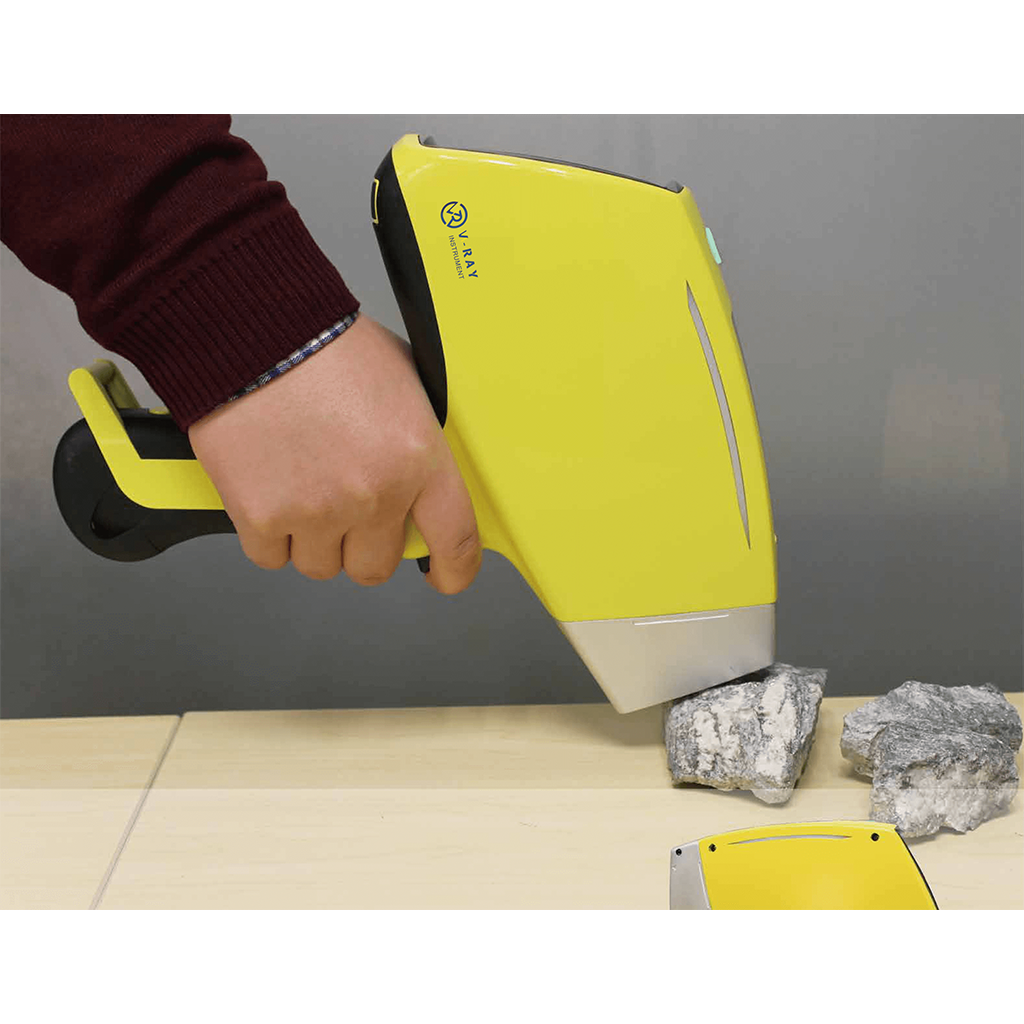
A handheld metal analyser works by using X-ray fluorescence (XRF) technology to identify and quantify the elements within a metal sample. When the device is directed at a sample, it emits X-rays that interact with the atoms in the material. These interactions cause the atoms to release secondary X-rays, which the analyser detects and interprets. Within seconds, users receive detailed information about the metal’s composition — including the presence of precious metals like gold, silver, and platinum — without causing any damage to the sample. This powerful technology is now compact enough to fit into a portable device, enabling jewelers, refiners, recyclers, and inspectors to test metals on the spot with speed and confidence. For businesses that rely on accurate metal analysis, especially in high-value scenarios like gold purity testing or quality control, a handheld metal analyser is not just a tool — it’s a competitive advantage. What Makes a Handheld Metal Analyser So Effective? Handheld metal analysers have transformed how professionals evaluate metal materials. Here’s why they’re widely adopted: Non-Destructive Testing: No cutting, scratching, or damaging the sample — perfect for jewelry or finished products. Instant Results: Delivers data in seconds, making on-the-spot decisions possible. Portability: Compact and battery-powered, ideal for field inspections, pawn shops, and mobile recycling operations. Elemental Accuracy: Capable of detecting even trace elements, crucial for identifying plating, contamination, or alloy content. These devices eliminate guesswork. Whether you’re a gold buyer verifying karats or a manufacturer checking alloy consistency, handheld analysers provide clarity where it counts. How It Works — Step-by-Step 1.Power On and Calibrate Upon activation, the device undergoes a quick self-check. Most modern units like the VRAY VR-H5 have auto-calibration features to optimize accuracy under changing environmental conditions. 2.Position the Sample Users simply aim the analyser’s measurement window at the sample. Many models, such as the VR-H5, include a safety sensor that prevents X-ray emission unless a sample is detected. 3.Trigger the Scan Once in place, pull the trigger to begin testing. In just 2–5 seconds, the device emits a beam of low-level X-rays into the sample. 4.Elemental Excitation The atoms in the metal absorb energy and release fluorescent (secondary) X-rays unique to each element. These emissions are captured by the analyser’s detector — often a high-sensitivity Si-PIN or SDD (silicon drift detector). 5.Data Processing Built-in software processes the X-ray signal using advanced algorithms, such as Multi-FP analysis, to quantify each element’s concentration. 6.Instant Readout The results appear on the screen, displaying element percentages, purity, and — on models like VRAY’s — even estimated market value. Real-Life Applications and Benefits Professionals across industries rely on handheld XRF analysers for tasks like: Jewelry Stores: Authenticating gold purity (e.g., 14K, 18K, 24K) and detecting fake or plated jewelry. Recycling Centers: Sorting metals quickly and verifying alloy content before refining. Pawn Shops: Verifying the value of precious metals on-the-spot to avoid financial loss. Refineries and Fabricators: Confirming the content of raw materials and preventing contamination in production lines. Customs and Security: Detecting prohibited or misrepresented metals during

What Makes the Best Precious Metal Verifier?

When it comes to testing the authenticity and purity of precious metals, accuracy isn’t just a feature—it’s everything. The best precious metal verifier combines speed, precision, and user-friendly operation in a reliable system that professionals can trust. Whether you’re working in jewelry retail, recycling, pawn brokering, refining, or manufacturing, the right tool helps you make fast decisions, reduce risk, and build credibility. But with so many devices on the market, how do you determine which one truly meets your business needs? The answer lies in a combination of five essential factors: precision, versatility, ease of use, durability, and support. Precision Is Non-Negotiable The most critical feature of any precious metal verifier is its ability to deliver accurate results—consistently. This means being able to detect small differences in purity, distinguish between similar metals (like gold and gold-plated alloys), and produce repeatable readings across a range of sample types. The best devices on the market today use advanced X-ray fluorescence (XRF) technology, known for delivering non-destructive, high-precision elemental analysis. Unlike traditional acid tests, which can be messy, risky, and inconclusive, XRF-based instruments provide lab-grade accuracy in seconds without damaging the sample. Fast, Real-Time Testing Matters Speed is more than a convenience—it’s a competitive advantage. Whether verifying gold jewelry in a busy retail store or analyzing silver scrap for recycling, quick results can mean quicker sales decisions, reduced wait times, and higher operational efficiency. A high-quality verifier should provide reliable analysis in 3–10 seconds, with minimal to no sample preparation. Devices like VRAY’s handheld and benchtop analyzers deliver results almost instantly, which is critical when dealing with multiple customers or batch testing. Versatility Across Applications No two users have the exact same needs. A good precious metal verifier should support a wide range of testing scenarios—from large bullion bars to tiny jewelry components, from raw scrap materials to finished consumer goods. Key versatility indicators include: Ability to test irregular shapes and grooves Support for multiple elements (gold, silver, platinum, palladium, rhodium, etc.) Usability on various sample forms (solid, powder, liquid, plating) Adjustable testing conditions for different environments This is where VRAY Instruments truly excels. With a complete lineup of handheld, desktop, and portable analyzers, VRAY provides tailored solutions for pawn shops, gold recycling centers, labs, and high-purity gold manufacturers. Intuitive Design and Smart Interface You shouldn’t need a lab technician’s background to operate a metal verifier. An intuitive interface reduces the learning curve, minimizes human error, and ensures faster employee onboarding. Features like: Touchscreen operation Real-time digital display of results Customizable test time Automatic sample detection All contribute to better productivity. VRAY’s models such as the VR-X5 and VR-M5 are well-regarded for their user-friendly software, intelligent battery systems, and touch-responsive screens, making them perfect for mobile operations and storefronts alike. Rugged Design and Longevity Professionals require tools they can rely on daily. A verifier must be durable, low-maintenance, and built for continuous operation in demanding environments. Features such as automatic radiation shielding, smart temperature controls, and self-protection systems add years to the machine’s

What Is the Difference Between Fake and Faux Gold?

When shopping for jewelry or precious metals, it’s not uncommon to come across terms like “fake gold” and “faux gold.” While they might sound similar, they have distinctly different meanings—especially when you’re making an investment, evaluating pawned goods, or reclaiming precious metals for refining. Understanding the difference between the two helps you make smarter decisions and avoid costly mistakes. Fake Gold vs. Faux Gold: What’s the Real Difference? Fake gold refers to a material that is made to intentionally deceive. It’s designed to look like real gold but contains no actual gold content. It may be made from cheap metals such as brass, zinc alloy, or copper and sometimes even plated with a thin layer of gold to appear more convincing. The main purpose of fake gold is to imitate the appearance of real gold, often misleading buyers into believing they are purchasing authentic items. Faux gold, on the other hand, is not necessarily meant to deceive. It’s a term used for imitation gold, typically in fashion or costume jewelry, where manufacturers clearly state the product is not made of real gold. Faux gold may include materials like gold-tone metal, gold-plated brass, or resin and plastic with a gold finish. It’s often marketed honestly for aesthetic purposes rather than as an investment. In summary: Fake gold = counterfeit, deceptive, no real gold. Faux gold = imitation, decorative, may include minimal real gold (e.g., gold-plated). Recognizing this difference is essential for consumers, retailers, pawnshop owners, and precious metal recyclers. Misidentifying a fake item as real gold can lead to financial losses, customer disputes, or legal issues in regulated industries. Why This Distinction Matters Understanding whether you’re dealing with fake or faux gold matters for multiple reasons: Investment Protection: Gold holds intrinsic value. Buying counterfeit items means you’re investing in a worthless asset. Business Accuracy: Jewelers and recyclers must assess authenticity to offer accurate pricing. Recycling Efficiency: Misclassifying materials wastes time and effort during the metal reclamation process. Reputation Management: Selling fake gold, even unintentionally, can damage customer trust and brand integrity. Whether you’re buying or testing gold, distinguishing between real, fake, and faux ensures trust, transparency, and compliance with industry standards. Common Signs of Fake or Faux Gold While some signs are obvious, others require professional-grade testing: Discoloration: Real gold doesn’t tarnish. Black, green, or red discoloration suggests it’s not genuine. Magnet Test: Gold is not magnetic. If the item sticks to a magnet, it’s likely fake or gold-plated. Stamps & Hallmarks: Authentic gold usually carries purity marks (e.g., 18K, 750). Be cautious—fakes may include counterfeit stamps. Weight: Gold is denser than most imitation metals. Lighter weight may indicate it’s faux or fake. Price Point: “Too good to be true” deals often are. However, these basic checks aren’t always conclusive. That’s where professional testing becomes essential. How to Accurately Test for Real Gold For complete certainty, especially in commercial environments, accurate testing is critical. Traditional methods like acid tests can damage the item and often don’t offer precise results—especially for thinly

Which XRF Instrument Suits Lab Metal Testing?

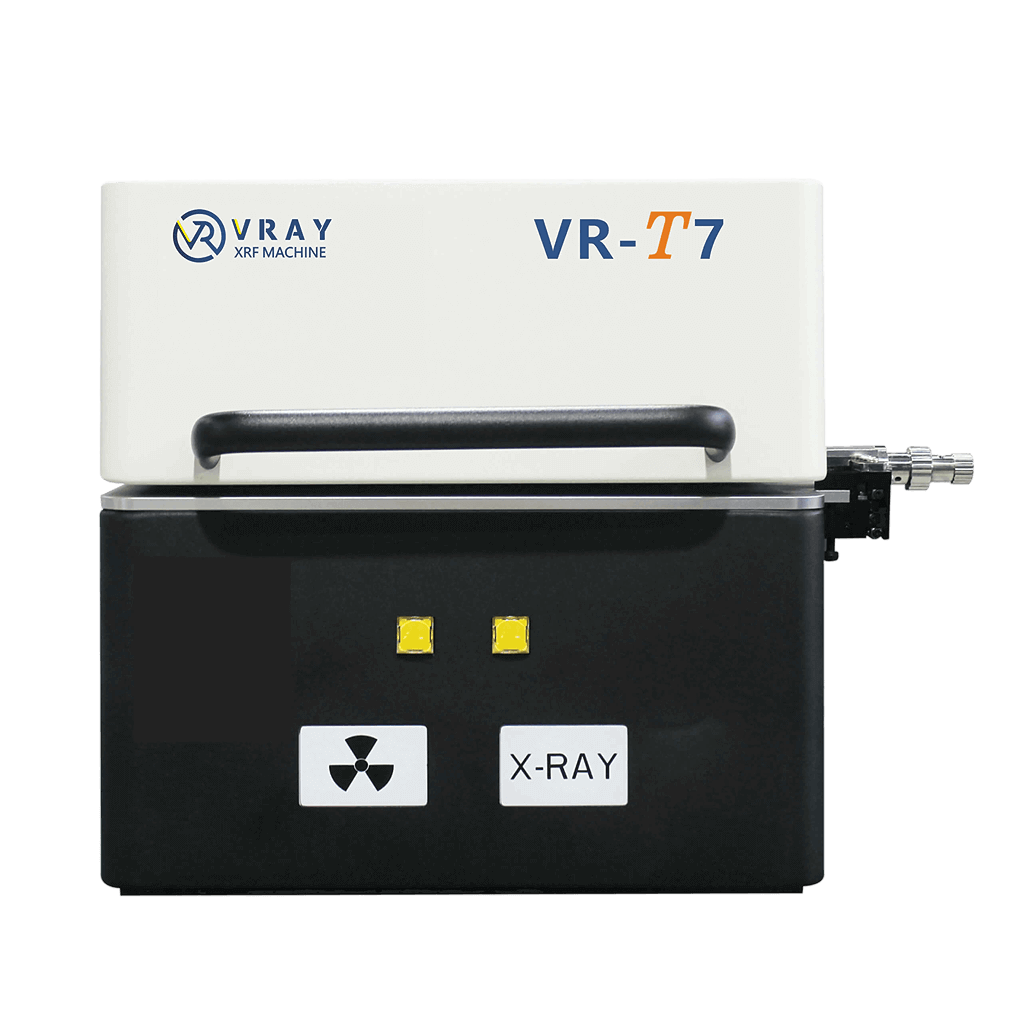
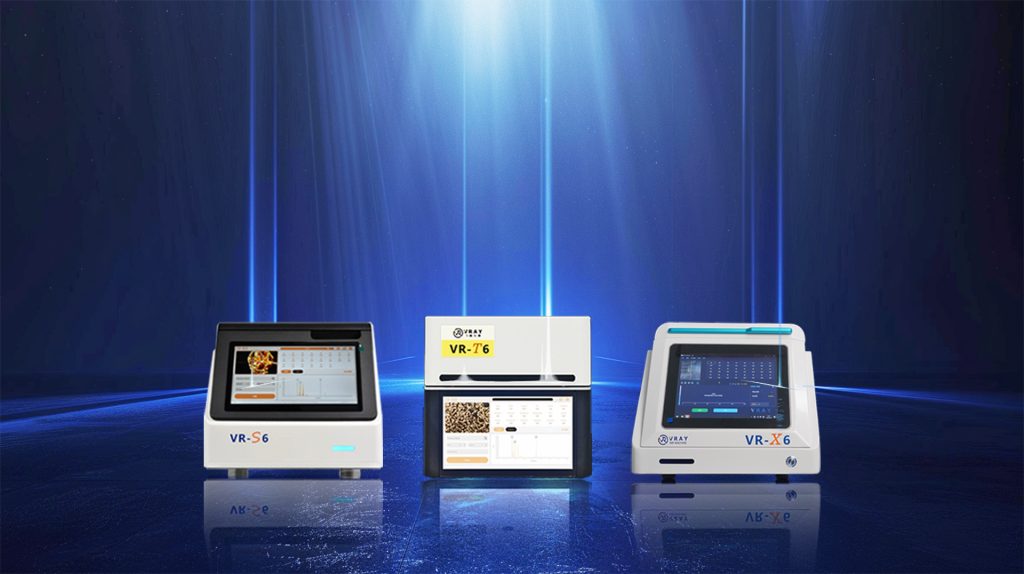
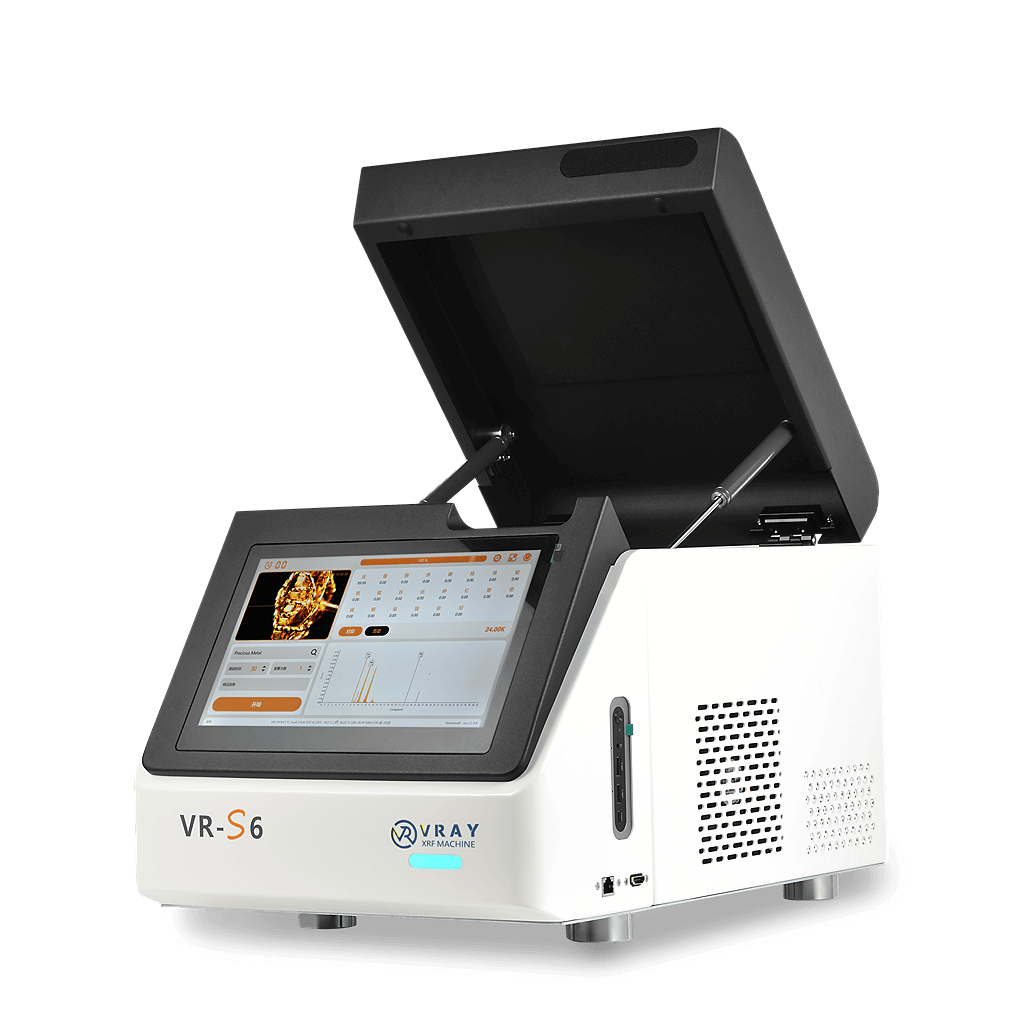
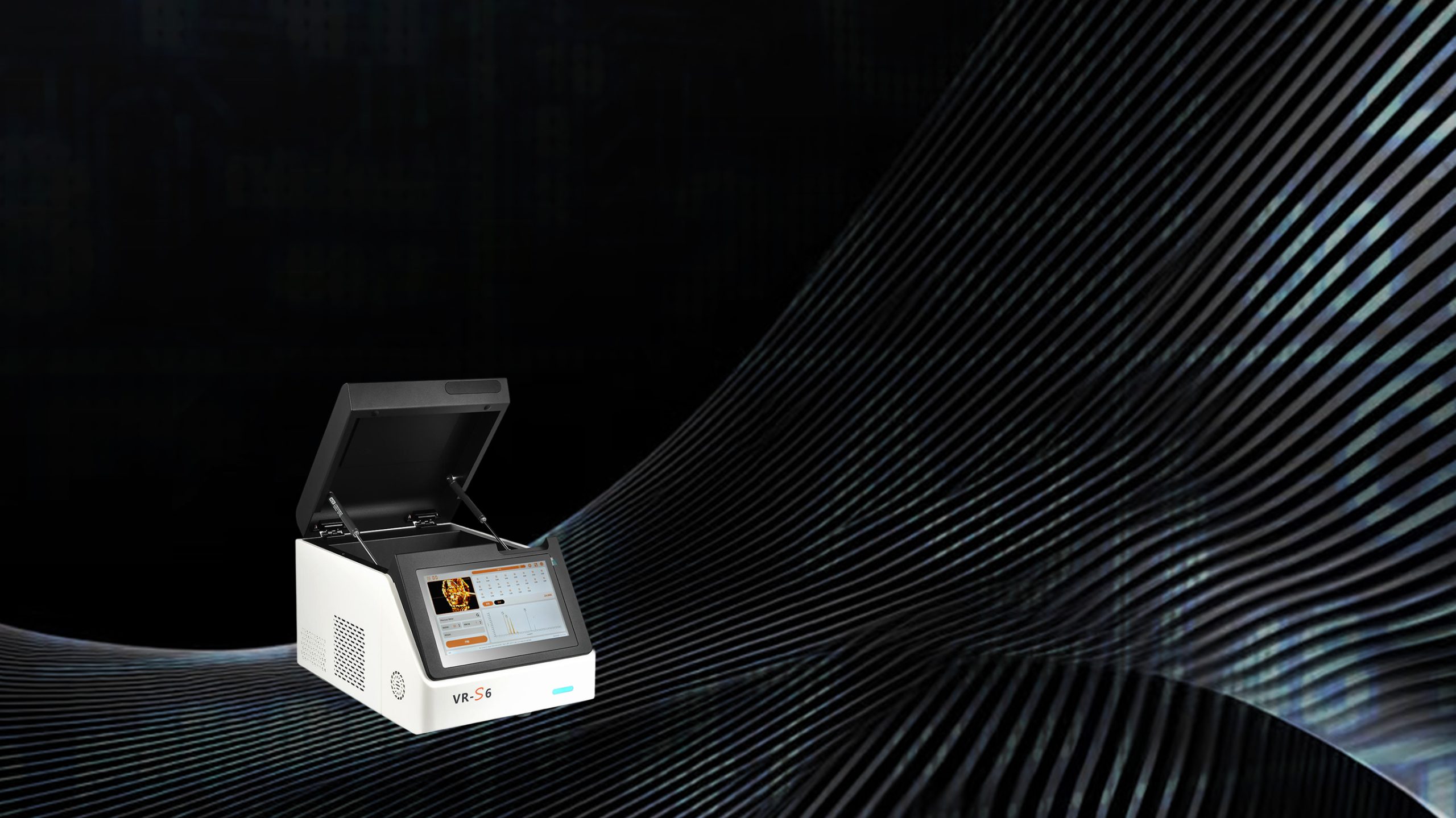
At its core, lab metal testing demands instruments that deliver high-precision readings, support a wide range of materials, and integrate seamlessly into an analytical or quality control workflow. This means benchtop XRF instruments are generally the most suitable for laboratory settings due to their advanced detection capabilities, better stability, and versatile testing modes. Why Labs Should Choose Benchtop XRF Analyzers Over Portable Devices While handheld and portable XRF devices offer convenience in the field, they often sacrifice analytical depth and stability in favor of mobility. For lab-based metal testing—whether in a quality control department, precious metal refinery, academic setting, or testing institute—stability, automation, and repeatability take priority. Benchtop models allow for: Higher analytical precision Consistent positioning for repeat testing Wider chamber space for various sample sizes Better integration with lab software and reporting tools These features make benchtop XRF spectrometers the logical choice for laboratories conducting rigorous metal testing. Key Considerations When Selecting a Lab XRF Instrument When narrowing down the best XRF instrument for your lab, consider the following critical factors: 1.Detection Range & Accuracy Labs must test a wide variety of metals—including gold, silver, platinum, palladium, and alloy compositions. Devices with advanced detectors (such as Si-PIN or SDD) and software algorithms ensure trace element detection with high accuracy, often up to ±0.001%. 2.Sample Compatibility A lab instrument should handle different sample forms: solid chunks, powders, filings, coatings, and irregularly shaped specimens. Look for adjustable collimators, multi-point sample holders, and open chambers. 3.Speed & Throughput In high-volume environments, test cycle speed matters. Instruments with intelligent software, preset calibration profiles, and batch testing capabilities improve lab efficiency. 4.Maintenance & Software Integration Choose a system with low maintenance requirements, built-in self-diagnostics, and the ability to generate customizable reports for traceability and compliance. 5.Regulatory Compliance & Safety Radiation shielding, interlock systems, and compliance with CE/FCC safety standards are essential in lab settings. Recommended VRAY Instruments for Lab Metal Testing Based on extensive industry application and customer feedback, VRAY offers a range of benchtop and high-precision XRF analyzers ideal for lab use. Here’s a breakdown of the most relevant models: 1. VR‑S6 Benchtop XRF Spectrometer Best For: Labs requiring compact design with premium accuracy. Element Detection: Full range (K to U) with ±0.03% precision Design: Sleek, all-in-one with built-in 11.6” touchscreen Technology: Si‑PIN detector + Multi‑FP software Advantages: Rapid testing with no sample prep Ideal for metals, powders, and liquids Space-saving (30% smaller than VR‑T6) No external PC needed This model suits research labs, precious metal testing centers, and QC departments needing compact reliability. 2. VR‑T9 High-Purity XRF Analyzer Best For: Labs focused on ultra-high-purity gold analysis and metal refinement. Precision: Up to ±0.001% Functions: Spectrogram comparison for real-time variability detection Special Features: Automatic X-ray tube aging, customizable report templates Use Cases: Distinguishing 999.9 vs 999.99 purity High-spec gold plate, bar, and sheet testing Circuit board and high-purity alloy verification This is the go-to for metal refining labs and gold wholesalers dealing with the highest value materials. 3. VR‑T7 Desktop Metal Analyzer Best

What Is a Good Gold Machine for Small Shops?

The best choice for small-scale businesses? A compact, handheld, or benchtop XRF analyzer with stable performance, easy operation, and proven reliability. Devices like VRAY’s VR-M5 and VR-H5 models offer exactly that: precision testing tools in portable forms, tailored for small-shop workflows. Below, we break down what makes a gold testing machine truly suitable for smaller operations—and why thousands of users trust VRAY as their go-to solution. Why Small Shops Need the Right Gold Testing Machine 1. Space Constraints Small shops often operate in limited spaces. A compact footprint is essential. Machines that combine analyzer, screen, and processing units into one streamlined body are easier to place on a countertop or carry to off-site appointments. 2. Quick, Reliable Results Customers expect fast answers when buying, selling, or evaluating gold. A good gold testing machine should deliver accurate results in seconds, not minutes, without damaging the item. VRAY’s XRF machines meet these needs through real-time results powered by advanced detectors. 3. User-Friendly Interface Not every store has an in-house technician. That’s why simple touchscreen operation, intuitive menus, and minimal setup are vital. Machines like VR-M5 or VR-H5 are plug-and-play, even for first-time users. 4. Versatility in Testing Small shops often deal with a variety of items—rings, chains, raw gold, plated items, and more. A good machine needs to test various shapes, sizes, and even coated items, with reliable results regardless of surface or alloy complexity. 5. Trustworthy Results to Avoid Losses Without precise analysis, even small miscalculations in purity can lead to major financial losses. VRAY’s machines are built for high accuracy, enabling small businesses to build trust with their customers and protect margins. Top VRAY Recommendations for Small Shops ✅ VRAY VR-M5 – Portable XRF Gold Analyzer Why it’s ideal for small shops: This handheld XRF machine is designed for professionals who need a mobile, fast, and highly reliable gold tester. The VR-M5 uses a U.S.-imported Si-PIN detector for sensitive and precise analysis.Key features: Compact, lightweight, easy to carry Built-in retractable touchscreen display Smart battery (up to 8 hours runtime) Non-destructive testing Ideal for both in-store and mobile evaluations Built-in radiation safety and 5MP HD camera Perfect for: Jewelry shops with limited space Pawn shops and recyclers Mobile precious metal buyers Quality control for small manufacturers ✅ VRAY VR-H5 – Handheld Precious Metal Analyzer Why it’s a game-changer: For businesses that require ultra-portable and fast testing with advanced features, the VR-H5 delivers top-tier results in a device you can hold in one hand. It’s specifically built for on-the-go gold testing, offering real-time insights wherever you are.Key features: Extremely lightweight and compact Rugged touchscreen interface Dual-beam detection for sample presence sensing Gravity sensor to prevent damage from drops Optimized spectral resolution and low detection limits Perfect for: Traveling appraisers Gold buyers working on-site Shops that value mobility and real-time results Businesses involved in direct customer transactions ✅ VRAY VR-T5 – Compact Benchtop Model for Higher Volume If you prefer a stationary machine with powerful multi-element analysis, the VR-T5 is a space-saving benchtop

Which Gold Tester Gun Works Without Chemicals?

The short answer: Yes, there are gold tester guns that work without chemicals, and the most reliable technology behind them is X-ray fluorescence (XRF). Devices like VRAY’s VR-H5 handheld XRF analyzer offer a completely non-destructive, instant way to test gold purity—no acids, no scratches, and no waiting. Why Avoid Chemical Gold Testing? Gold testing acids contain strong corrosives like nitric and hydrochloric acid. While these methods are still used in some smaller operations, they pose serious drawbacks: Health Risks: Exposure to harsh chemicals can cause burns or respiratory issues. Material Damage: Acid testing often scratches or stains the sample—problematic for finished jewelry. Human Error: The process relies heavily on visual interpretation, leaving room for mistakes. Waste Management: Chemical disposal requires care and regulation compliance, especially in bulk testing environments. Today’s professionals are moving away from this method and opting for safer, more modern solutions. How Do Non-Chemical Gold Tester Guns Work? Gold testers that don’t use chemicals generally rely on XRF (X-ray fluorescence). This method analyzes the elemental composition of a sample by shooting low-level X-rays into the material and measuring the energy returned. Because each element reflects energy at a unique level, the device can calculate exact purity without damaging the sample. Benefits of XRF gold testers include: ✅ Non-destructive and safe ✅ Accurate to the decimal ✅ Instant results (usually under 30 seconds) ✅ No sample prep required ✅ Capable of detecting multiple elements at once ✅ Portable models available for field testing Introducing the VRAY VR-H5: The Ultimate Chemical-Free Gold Tester Gun Among the top non-chemical gold testing solutions, VRAY’s VR-H5 Handheld XRF Analyzer is built for professionals who need accuracy, speed, and convenience—all in one device. Why the VR-H5 stands out: Truly Portable: Small, lightweight, and easy to operate on-site or in-store. No Chemicals Required: Completely safe, even in enclosed environments. Real-Time Results: Identifies gold, silver, platinum, and other elements within seconds. Smart Safety Features: Includes gravity sensor auto-shutdown and dual-beam detection to avoid false readings or accidents. High Sensitivity Detector: Optimized algorithms enhance spectral resolution, allowing for low detection limits and precise readings, even on small samples. Long Battery Life: Powered by intelligent MSBUS battery management, it can run for hours without interruption. Whether you’re doing mobile precious metal recycling or want a fast verification tool in your jewelry shop, the VR-H5 gives you lab-grade results without the hassle or hazard. When to Use a Gold Tester Gun Like the VR-H5 Professionals across industries use non-chemical gold tester guns for various real-world applications: Jewelry Retailers: Authenticate the purity of customer trade-ins without damaging the item. Pawn Shops: Instantly verify karat levels of gold items for loans or buybacks. Gold Recyclers: Determine the precise purity of scrap or reclaimed gold. Field Buyers: Mobile testers allow for on-the-spot analysis when sourcing gold. Manufacturing Quality Control: Ensure consistency in raw materials and finished products. With traditional methods, testing can be slow and messy. With the VR-H5, results are quick, clean, and reliable. Why Choose VRAY Instruments? VRAY Instruments

How Do XRF Machines Identify Metal Type?

XRF machines identify metal types by analyzing the unique way each metal emits X-rays when exposed to a high-energy source. Every metal element emits a distinct “fingerprint” of energy, and XRF devices read that fingerprint in seconds. This allows users to know exactly what type of metal they are analyzing—whether it’s gold, silver, platinum, or an alloy—with high precision and without damaging the sample. XRF (X-ray fluorescence) is widely used in jewelry appraisal, gold recycling, quality control, and metal refining for its speed, convenience, and reliability. Let’s explore how this process works from a user’s point of view, how VRAY’s technology improves accuracy, and which device suits different professional needs. What Happens Inside an XRF Machine? When a metal sample is placed inside an XRF machine and exposed to an X-ray beam, the atoms in the metal become “excited.” This excitement causes inner electrons to be displaced. As electrons from outer shells fall into the inner shell to restore balance, they release energy in the form of secondary X-rays. These energy emissions are specific to each element. The XRF machine detects this emitted energy and compares it to a known database of element signatures. Within seconds, the device identifies the metals present and calculates their proportions. The result? A clear breakdown of the metal type and its purity—no need to melt, scratch, or alter the sample. Why Real Users Prefer XRF for Metal Identification Professionals across industries—from goldsmiths and jewelry shop owners to recyclers and pawnshops—choose XRF testing because it eliminates guesswork. Traditional methods like acid testing are slow, imprecise, and can damage valuable items. XRF is non-destructive, fast, and easy to use. Imagine a jeweler testing a ring suspected to be 18K gold. With an XRF analyzer, the jeweler gets real-time results showing the percentage of gold, copper, and silver. Similarly, a pawn shop can use a handheld analyzer to verify if a bracelet is genuine gold or simply gold-plated. XRF tools help avoid fraud, optimize pricing, and maintain customer trust. What Makes VRAY XRF Analyzers More Accurate? At VRAY Instruments, we design our XRF analyzers specifically for precious metal testing. Unlike generic metal analyzers, VRAY’s machines are optimized for detecting even subtle differences in gold alloys, silver purity, and trace elements like rhodium or palladium. Key technologies include: Si-PIN Detectors: Found in models like the VR-X5 and VR-M5, these detectors deliver exceptional sensitivity, allowing users to detect as many as 20+ metal elements in a single scan. Multi-FP Algorithms: This advanced software increases the precision of composition readings, even for complex or coated samples. Customizable Reports: Devices such as the VR-T9 offer configurable output reports, perfect for compliance, resale, or inventory control. All VRAY machines also feature safety protections like automatic radiation shielding, temperature controls, and robust structural design for consistent performance—even with heavy daily use. Choosing the Right VRAY Analyzer for Your Needs   Not every professional needs the same kind of device. VRAY offers a full line of XRF analyzers tailored to your workflow. 1. For

Topics Included in the XRF Spectrometers Guide

  • The fundamental principles of X-ray fluorescence: how XRF works and what physical phenomena make it possible.
  • Key components of spectrometers: sources, detectors, optics, and how they impact performance.
  • Types of XRF systems: energy-dispersive vs wavelength-dispersive, benchtop, portable, micro-spot, etc.
  • Calibration, limits of detection, precision vs accuracy, and how to interpret spectra.
  • Sample preparation and handling: solids, powders, coatings, liquids; surface effects and matrix effects.
  • Real-world applications: quality control, mining & geology, manufacturing alloys/coatings, regulatory compliance.
  • Comparisons & trade-offs: cost, speed, resolution, portability, and when XRF is the right tool (and when it’s not).

The Most Cited VRAY Instrument in This Section’s Articles

The VRAY VR-X5 XRF Analyzer is the most cited instrument across the articles in this section. It is frequently highlighted for its advanced technology, high precision, and reliable performance in precious metal testing. Capable of analyzing up to 20 elements, the VR-X5 delivers fast and non-destructive results, making it highly valued in jewelry, refining, and quality control applications. Its combination of speed, ease of use, and accuracy has made it a reference point for many professionals seeking trustworthy solutions in material analysis.

CONTACT US FOR EXPERT CONSULTATION

*We respect your confidentiality and all information is protected.