









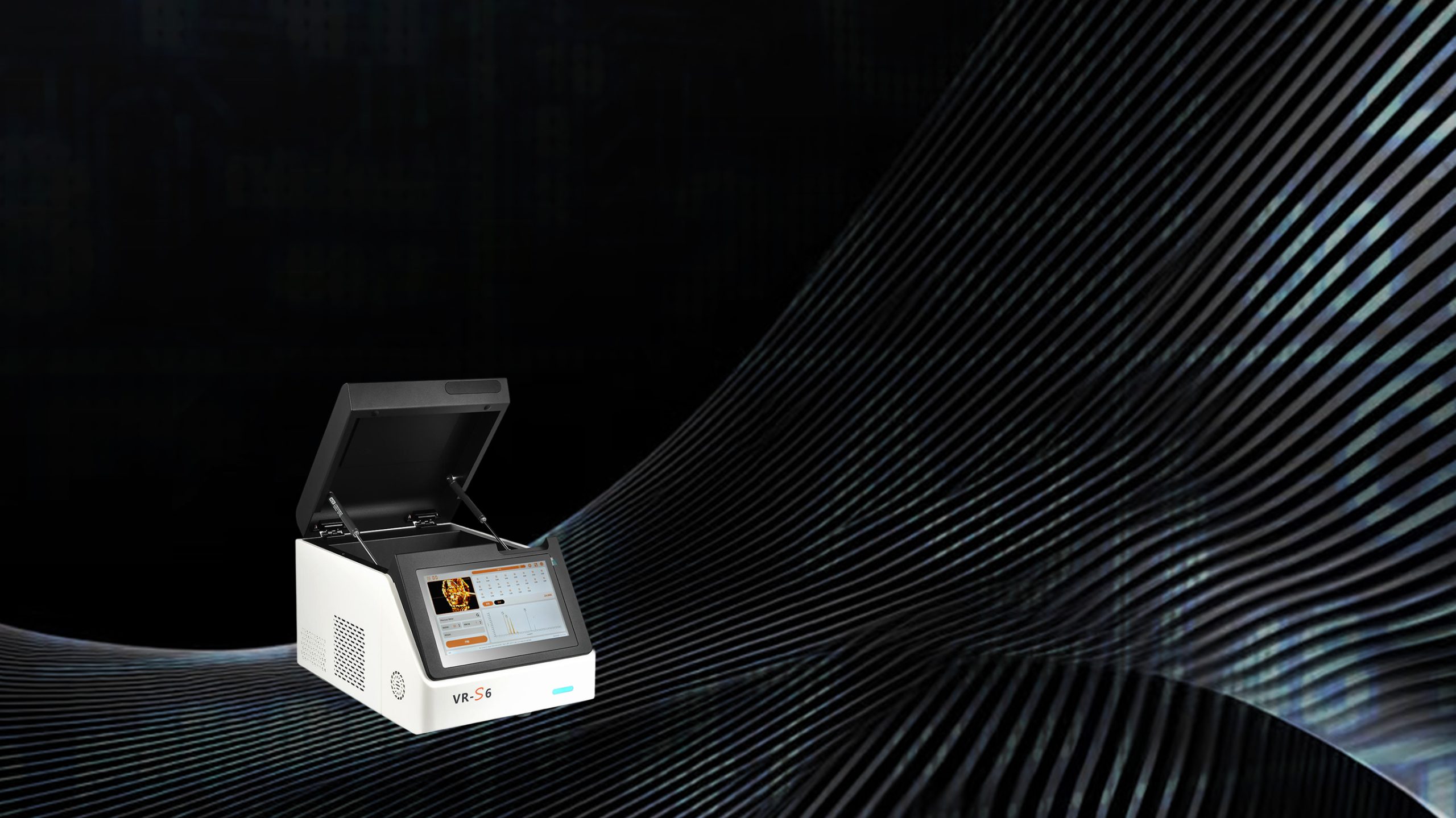
GUIDEBG

XRF Spectrometers Guide: Everything You Need to Know

XRF spectrometers provide fast, non-destructive analysis of metals, alloys, and coatings. This guide covers how they work, key features, applications, and benefits, helping you choose the right solution for accurate and efficient material testing.

How Can You Tell if Gold Is Fake Without Chemicals?

Spotting fake gold can be surprisingly difficult, especially when counterfeiters use convincing plating techniques or mix alloys that look nearly identical to real gold. Many people assume that chemical acid tests are the only way to confirm authenticity, but there are practical, non-chemical methods that anyone can use to identify fake gold safely. Whether you are a jewelry buyer, pawnshop owner, gold recycler, or simply someone who wants to ensure the value of their investment, these approaches can help you test gold quickly and without damaging it. 1. Simple At-Home Ways to Check if Gold Is Fake If you don’t have access to professional testing equipment, there are several physical checks you can perform: Visual Inspection Look for Hallmarks: Genuine gold jewelry usually has purity marks such as 24K, 18K, 14K, or 10K. A missing or unclear stamp can be a warning sign. Check for Wear and Fading: Fake gold or gold-plated items often show discoloration where the plating has worn off, exposing a different metal underneath. Magnet Test Gold is not magnetic. If your jewelry is strongly attracted to a magnet, it’s a clear indication that it contains other metals. However, note that some fake alloys are also non-magnetic, so this test alone is not conclusive. Weight and Size Gold is dense and heavier than most counterfeit metals. Comparing the weight of a suspected gold piece to a verified one of the same size can reveal differences. Sound Test Real gold produces a long, soft ringing sound when struck, while fake metals often sound dull or sharp. Experienced jewelers can sometimes detect authenticity simply by listening. 2. Non-Chemical Professional Methods to Detect Fake Gold While at-home checks are useful, they often leave room for doubt. For a reliable, safe, and non-destructive result, advanced gold testing instruments are the best solution. X-Ray Fluorescence (XRF) Technology XRF gold analyzers are widely recognized as the most accurate way to identify fake gold without chemicals. They work by emitting X-rays onto the material, which causes elements within the sample to emit fluorescent radiation. This radiation is then analyzed to determine the exact composition of the metal. Completely Non-Destructive: No damage to jewelry or coins. Fast Results: Provides composition data within seconds. Highly Accurate: Can differentiate between pure gold, alloys, and gold-plated items. Portable Options: Some models are handheld, allowing jewelers, recyclers, and even mobile gold buyers to verify authenticity on the spot. 3. Why XRF Gold Analyzers Are Better than Traditional Methods Many traditional non-chemical tests—such as bite marks or ceramic scratch tests—risk damaging jewelry. Even professional acid tests may corrode or discolor surfaces. By contrast, XRF analyzers: Deliver laboratory-grade precision. Detect more than just gold—they also reveal silver, platinum, palladium, rhodium, and other alloys. Save time by eliminating the need for complex preparation. Provide documented results, which is crucial for quality control, audits, or resale transactions. For professionals in jewelry, pawnshops, refineries, and gold recycling, XRF analyzers are not just a tool but a business necessity. 4. VRAY Instruments: Advanced Solutions for

Can a Gold Tester Gun Really Identify Fake Gold?

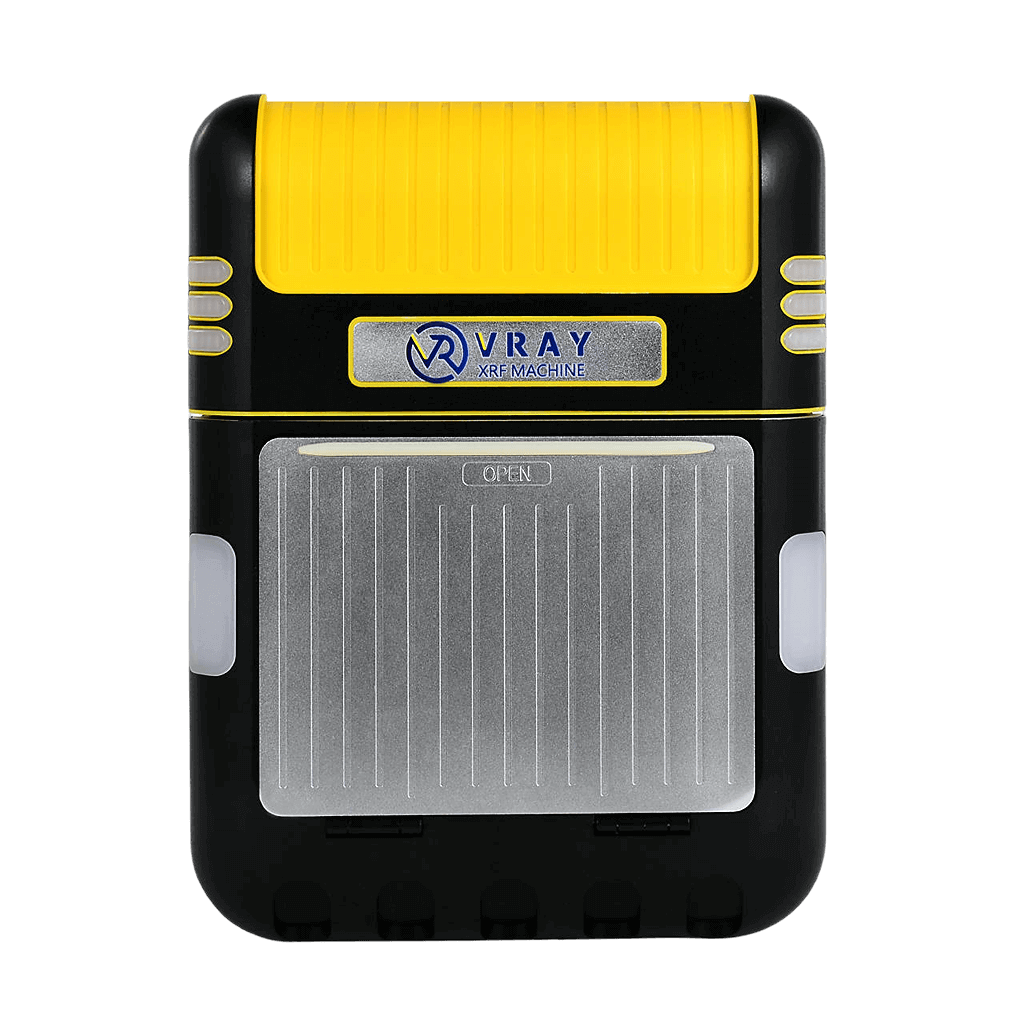
The Straight Answer: Yes, Gold Tester Guns Can Detect Fake Gold. Modern gold tester guns use advanced X-ray fluorescence (XRF) technology, which measures the elemental composition of a sample without damaging it. Unlike acid tests or magnetic checks, XRF analyzers don’t rely on surface appearances. Instead, they read the atomic-level signature of the material. This means if a ring is gold-plated over brass or tungsten, an XRF tester can reveal the exact composition beneath the surface. In other words, yes—gold tester guns can identify fake gold, alloys, and even suspiciously high-purity claims such as “99999 gold” that don’t match reality. Why Accuracy Matters in Detecting Fake Gold The global gold market has seen a rise in counterfeit products, from gold-plated jewelry to bars filled with tungsten cores. For businesses, one misjudgment can mean huge financial losses. An accurate gold tester gun protects: Jewelers, who must guarantee the purity of what they sell. Pawnshops, which face daily risks of fake gold transactions. Gold recyclers, who need fast, reliable testing for large volumes of items. Refineries, which require precise purity analysis before processing. Using a reliable analyzer ensures confidence in every deal, reduces disputes, and enhances credibility with customers. How Gold Tester Guns Work in Real Testing When a gold item is placed under the analyzer’s beam, the device excites atoms within the metal. Each element releases a unique fluorescent “fingerprint” that the detector reads instantly. Within seconds, the screen shows the exact percentage of gold, silver, platinum, palladium, or other metals present. This process works equally well for: Coins and bullion Jewelry (even with stones still mounted) Scrap gold and recycled materials Watches, clasps, and small accessories Unlike acid or scratch tests, XRF does not leave any mark on the item. This non-destructive feature is especially valuable for jewelers and collectors handling high-value or antique pieces. Common Myths About Gold Tester Guns “They can only test the surface.” While XRF primarily analyzes the outer layer, modern instruments with optimized algorithms can detect inconsistencies that reveal plating or fake cores. “They are too complicated to use.” Today’s tester guns come with intuitive touchscreens and automated calibration, so even first-time users can get results within seconds. “They are only for big laboratories.” Portable and handheld models make it easy for jewelers, pawnshops, and even mobile recycling businesses to use them on-site.Introducing VRAY’s Gold Tester Solutions VRAY Instruments has developed a full range of gold testing analyzers designed to meet the needs of jewelers, recyclers, refineries, and manufacturers. Each product combines cutting-edge XRF technology with user-friendly design. VR-H5 Handheld Gold Analyzer Perfect for mobile businesses, the VR-H5 offers real-time results in the field. Lightweight, portable, and equipped with dual-beam detection, it can instantly distinguish between genuine and fake gold without damaging the item. Key benefits: Portable and compact, ideal for on-the-go testing. Gravity-sensor protection for durability. Optimized algorithms for better resolution and lower detection limits. Dual-beam technology to ensure no sample is missed. Recommended for: pawnshops, mobile gold recyclers, and jewelers who need fast,

Where Can You Get an XRF Machine Calibrated?

The short answer is: calibration can be done through authorized service providers, equipment manufacturers like VRAY Instruments, or professional testing laboratories. Many companies that sell XRF analyzers also offer calibration services, ensuring your device meets international standards. Choosing the right calibration provider not only safeguards accuracy but also extends the life of your equipment and maintains compliance with industry regulations. 1. Why Calibration Is Essential for XRF Machines Calibration aligns your analyzer’s readings with known reference standards. Over time, detectors and X-ray tubes may experience small shifts due to usage, environmental factors, or wear. Without calibration, this can lead to inaccurate measurements—potentially costly in industries where precision is vital. For example: A jewelry shop might miscalculate the purity of gold, leading to financial losses. A refinery could receive incorrect assay results, affecting production quality. A pawn shop might misjudge collateral value, damaging customer trust. That’s why calibration isn’t optional—it’s a routine necessity. 2. Where to Calibrate Your XRF Machine If you own an XRF analyzer, here are the most reliable options for calibration: a) Manufacturer Service Centers Most leading manufacturers, including VRAY Instruments, provide direct calibration services. By choosing the original manufacturer, you ensure that calibration follows the same standards used during production. This typically includes: Using certified reference materials for precious metals and alloys Updating software to the latest algorithms Performing hardware inspections alongside calibration For VRAY customers, sending your analyzer back to an authorized service point guarantees optimal accuracy and reliability. b) Authorized Distributors and Dealers Certified dealers often offer after-sales services, including calibration. If your XRF machine was purchased through an official VRAY distributor, you can arrange local calibration without shipping your device overseas, saving time and cost. c) Accredited Testing Laboratories Independent labs specializing in elemental analysis can also calibrate XRF machines. However, it’s essential to confirm that the lab is accredited and experienced in handling precious metal analyzers. d) On-Site Calibration Services For businesses that cannot afford downtime, some providers offer on-site calibration. A technician visits your location with reference standards and diagnostic tools to adjust the machine directly in your facility. 3. Recommended Calibration Frequency How often should you calibrate? While it depends on usage, industry standards suggest: High-usage environments (e.g., gold recycling, wholesale testing): every 6–12 months. Medium usage (e.g., jewelry shops, pawn shops): Low usage (occasional testing): once every 18–24 months. Additionally, recalibration is strongly recommended after major repairs, software updates, or noticeable reading inconsistencies. 4. VRAY Instruments: Reliable Calibration and Support As a leader in precious metal testing technology, VRAY Instruments not only provides cutting-edge XRF machines but also complete calibration and technical support. Every VRAY analyzer is designed with accuracy in mind, but regular calibration ensures peak performance. VRAY’s professional service team offers: Certified Calibration: Using international standard samples for gold, silver, and PMG metals. Software Optimization: Updating Multi-FP algorithms for enhanced precision. Preventive Maintenance: Checking X-ray tubes, detectors, and safety systems. Customized Solutions: Adjusting calibration for unique applications like coating thickness, recycling, or high-purity gold testing. This one-stop service

How Much Does a Quality XRF Analyzer Cost?

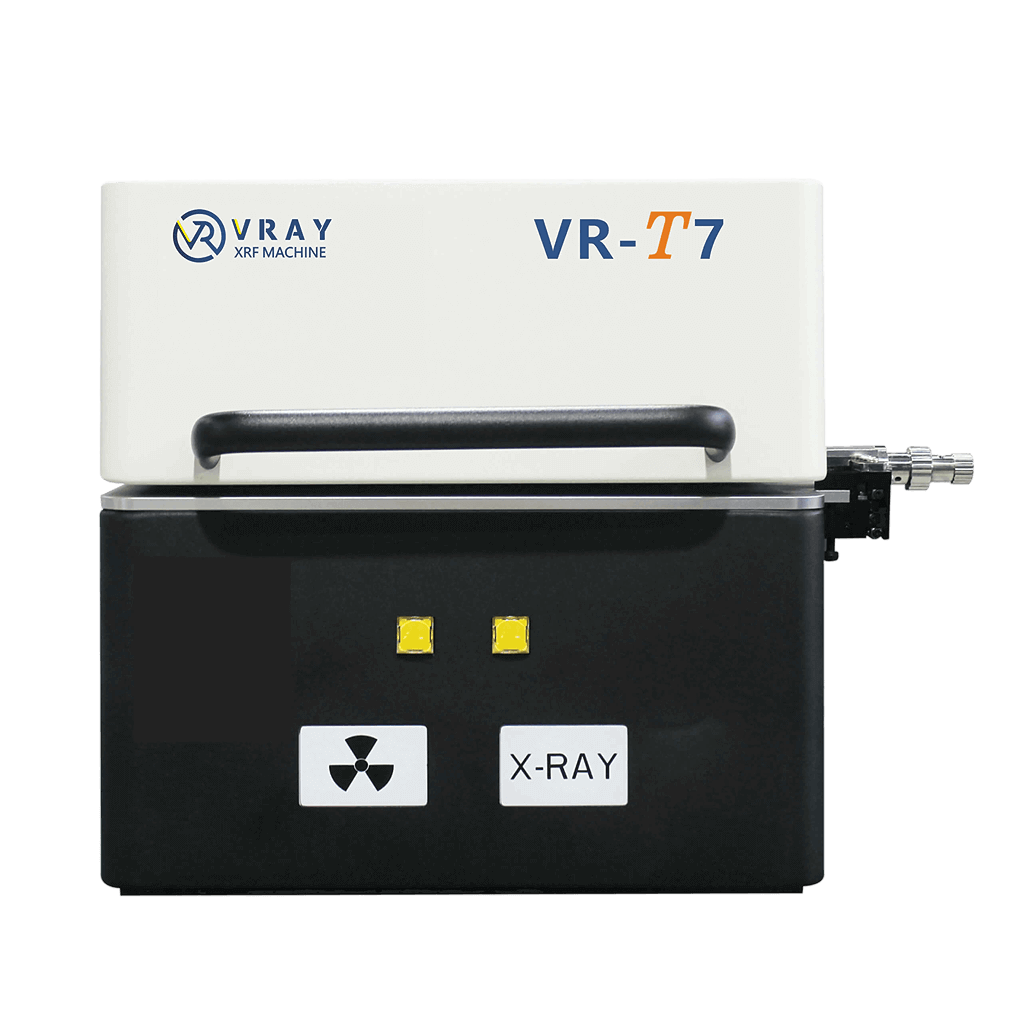
Anyone considering an XRF analyzer for precious metal testing quickly realizes that prices vary widely. In general, a quality analyzer can range anywhere from a few thousand dollars to tens of thousands of dollars, depending on the features, accuracy, and level of performance required. For a small jewelry store, a compact and affordable model may be sufficient, while large-scale refineries and laboratories often choose advanced systems with higher precision and expanded functions. Key Factors That Influence XRF Analyzer Pricing Although the overall cost range is broad, several elements directly affect how much a business should expect to invest: Detector Type Standard detectors provide reliable results at a lower cost. Advanced detectors with specialized algorithms significantly improve sensitivity and precision, but come at a higher price point. Accuracy Requirements Entry-level devices can provide results accurate enough for everyday jewelry transactions. High-end analyzers capable of ultra-fine measurements are essential in industries where even tiny differences in purity matter. Portability vs. Benchtop Portable models are smaller, lightweight, and designed for mobility. Benchtop analyzers are larger, more stable, and built for maximum accuracy, usually costing more. Software and Features Integrated computers, smart battery management, advanced reporting tools, and safety protections add convenience but also increase cost. Intended Use A jewelry shop may only need to test basic purity, while a gold refinery may require advanced spectrum comparison and high-purity verification. Typical Price Ranges in Broad Terms Entry-Level Models: Cost a few thousand dollars. Suitable for jewelry stores, pawnshops, and small recycling businesses. Mid-Range Models: Fall into the range of tens of thousands of dollars (lower end). Best for growing businesses that need more detailed analysis and faster throughput. High-End Systems: Reach the higher end of tens of thousands of dollars. These are built for laboratories, refineries, and enterprises requiring maximum accuracy and advanced features. VRAY’s Recommended Solutions It is important to note that the cost of an analyzer should not be the only consideration. Choosing the right equipment ensures accurate test results, builds customer trust, and prevents potential losses caused by inaccurate measurements. Whether in jewelry retail, recycling, or industrial quality control, investing in the right XRF analyzer means investing in efficiency, reputation, and long-term value. VRAY Instruments offers a full portfolio of analyzers designed for different industries and budget ranges. For Jewelry Shops and Pawn Businesses VR-M5 Portable Gold Analyzer – Lightweight, compact, with an imported Si-PIN detector, retractable touchscreen, long battery life, and built-in safety protections. Perfect for quick, on-the-spot purity checks. VR-H5 Handheld Analyzer – Truly mobile, with dual-beam detection, gravity sensor, and optimized algorithms. Ideal for mobile recycling or on-site inspections. For Growing Companies and Quality-Focused Operations VR-X3 XRF Analyzer – A dependable benchtop system with internal computer, touchscreen, and multiple safety protections. VR-X5 XRF Analyzer – Equipped with a silicon PIN detector and HD screen, capable of analyzing over 20 elements. VR-N3 Precious Metal Analyzer – User-friendly and accurate, designed for jewelry factories and gold retailers. For Advanced Laboratories and Refineries VR-T5 & VR-T6 Analyzers – Feature advanced Multi-FP

What’s the Science Behind X-Ray Fluorescence?

For centuries, professionals in mining, jewelry, and manufacturing have been searching for fast and reliable ways to determine what metals and elements are hidden within their materials. Among all available technologies, X-ray fluorescence (XRF) has become one of the most trusted solutions worldwide. But what makes this method so effective? The answer lies in the unique way materials interact with X-rays, a process that reveals an accurate “fingerprint” of their elemental composition. Understanding How XRF Works When X-rays strike a material, they penetrate its surface and cause the atoms inside to react. At the atomic level, electrons occupy fixed energy levels. If an incoming X-ray photon has enough energy, it can knock an inner-shell electron out of its orbit. This creates a vacancy, which is immediately filled by another electron from a higher energy level. During this transition, the atom releases energy in the form of secondary X-rays—known as fluorescent X-rays. What makes this process powerful is that the energy of these fluorescent X-rays is unique for each element. Just as fingerprints identify individuals, the emitted X-ray energies identify specific elements. By measuring the energy and intensity of this fluorescence, XRF analyzers can determine both the type of elements present and their concentration. This science allows professionals to perform precise elemental analysis without cutting, melting, or chemically altering the sample. The method is completely non-destructive, which makes it invaluable for industries that deal with precious metals, quality control, or compliance testing. Why XRF Stands Out for Precious Metal Testing Unlike traditional methods such as fire assay, which require time-consuming and destructive processes, XRF provides instant results with minimal preparation. For jewelers and gold traders, this means being able to confirm the purity of gold, silver, or platinum within seconds, ensuring trust and transparency in every transaction. In recycling and refining, XRF eliminates uncertainty by verifying the true value of metals before processing. For manufacturers, it ensures that every batch of material meets required standards and specifications. This combination of accuracy, speed, and convenience explains why XRF has become the global standard for precious metal testing. Practical Applications Across Industries Jewelry Shops and Pawnshops: Quickly confirm the authenticity and purity of gold and silver before buying, selling, or pawning. Recycling and Refining: Accurately evaluate old jewelry, scrap metal, and electronic components to recover valuable metals. Quality Inspection Laboratories: Ensure compliance with strict industry standards and detect even small deviations in material composition. Mining Operations: Determine ore grades on-site and guide efficient extraction strategies. Manufacturing: Control material consistency to avoid defects and ensure long-term product performance. VRAY Instruments: Turning Science Into Reliable Solutions While the science of XRF is universal, the reliability of results depends heavily on the quality of the analyzer. VRAY Instruments has devoted years of research to building advanced XRF systems tailored to the needs of precious metal professionals. Combining innovation, professionalism, and integrity, VRAY’s products deliver speed, accuracy, and durability in real-world applications. Featured VRAY XRF Solutions VR-X3 XRF Analyzer Equipped with a gas proportional counter detector, the

Is It Possible to Test Gold on Jewelry with Stones?

Rings, necklaces, and bracelets are rarely just pure gold; they are often embedded with diamonds, emeralds, sapphires, or other stones. The good news is that it is absolutely possible to test gold in jewelry without removing the stones, as long as the right testing method is used. Modern, non-destructive testing technologies such as X-ray fluorescence (XRF) allow professionals to determine the purity of gold in mounted jewelry accurately, safely, and without causing damage to the stones. Why Conventional Methods Struggle with Stone-Set Jewelry Traditional gold testing methods, like acid tests or fire assays, are not ideal when gemstones are involved: Acid testing requires scratching or exposing a small part of the metal, which risks damaging the jewelry and does not give precise results when stones cover parts of the surface. Fire assay is highly accurate but destructive, meaning the jewelry cannot remain intact after testing. Clearly, this is unacceptable for valuable gemstone jewelry. Touchstone tests are simple but imprecise, especially if stones prevent consistent contact with the metal. These limitations created a demand for a solution that can accurately test gold purity in jewelry with stones without damage—and this is where XRF technology excels. How XRF Technology Solves the Problem XRF (X-ray fluorescence) works by directing X-rays onto the surface of the jewelry. The gold atoms in the sample emit a unique signal that the analyzer interprets into an accurate purity reading. Because this process is non-destructive, the jewelry does not need to be dismantled, and stones remain unharmed. Advantages for testing stone-set jewelry include: No Need to Remove Stones: The device analyzes exposed areas of gold without requiring stone removal. Fast Results: Readings are available within seconds, making it ideal for retail stores and pawn shops. Accurate Purity Measurement: Detects differences in karats (e.g., 14K, 18K, 24K). Safe for Jewelry: No scratching, no chemicals, and no damage to stones. For jewelers handling gemstone jewelry, this is the most professional, customer-trusted method. Real-World Scenarios Where This Matters Jewelry Stores: When customers bring in rings with diamonds, staff can test the gold content directly without tampering with the stone settings. Pawn Shops & Recycling: Instant, non-destructive testing builds trust with clients and protects high-value items. Manufacturers & Quality Control: Factories producing gold jewelry with stones need to ensure purity standards without damaging their products. Refiners: While final refining uses destructive tests, XRF is invaluable for initial sorting and verification. VRAY Instruments: Professional Gold Testing Solutions As an industry leader in precious metal analysis, VRAY Instruments has developed a complete portfolio of gold testing machines designed specifically to handle real-world challenges like testing jewelry with stones. Whether for retail, manufacturing, or recycling, VRAY offers reliable, accurate, and user-friendly XRF solutions. Recommended Devices for Testing Gold Jewelry with Stones VR-X3 XRF Analyzer Perfect for jewelry shops and refineries that need quick, precise analysis. Its advanced detection system and interference reduction programs ensure stable results, even when stones partially cover the gold surface. VR-X5 XRF Gold Analyzer Equipped with a specialized Si-PIN detector, the

How Do You Operate a Handheld XRF Analyzer?

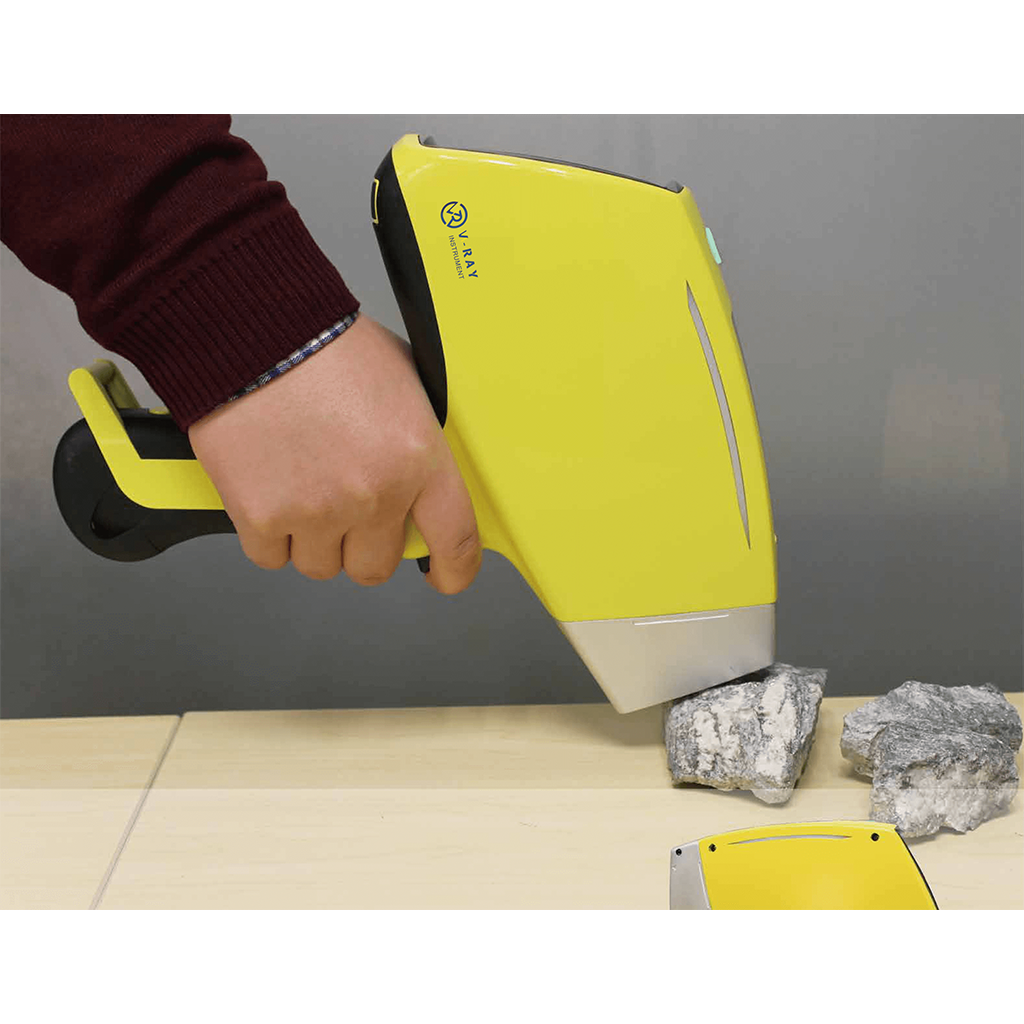
Using a handheld XRF analyzer may seem complex at first, but in practice it is straightforward. These compact devices are designed for quick, non-destructive analysis of metals, making them indispensable in jewelry shops, recycling centers, and even mining sites. To operate one, the user simply needs to power on the device, select the desired testing mode, place the sample under the measuring window, and trigger the scan. Within seconds, the screen displays precise information about the metal’s composition and purity. The process is safe, efficient, and designed to save professionals time without compromising accuracy. Step-by-Step Guide to Using a Handheld XRF Analyzer 1. Preparing the Device Before starting, ensure the analyzer is fully charged or equipped with a working battery. Most modern handheld XRF devices, such as the VRAY VR-H5, feature smart battery management that monitors real-time capacity and backup, ensuring uninterrupted testing during long working hours. Check the device’s calibration settings. Handheld analyzers often come pre-calibrated from the manufacturer, but it is good practice to confirm accuracy, especially before critical testing tasks. 2. Powering On and Setting Parameters Switch on the device using the touchscreen or designated button. The built-in software allows the user to select testing modes depending on the type of material being analyzed—gold, silver, platinum, or other alloys. Advanced models like VR-H5 also optimize spectral resolution automatically, so users can achieve more accurate results without manual adjustments. 3. Positioning the Sample Place the metal sample flat against the measuring window. The surface should be clean and free of dust, grease, or coatings that could affect readings. For irregularly shaped items, such as jewelry with engravings or settings, positioning the flattest surface against the device improves reliability. 4. Triggering the Test Once the sample is in position, press the trigger button. The analyzer emits X-rays that interact with the sample’s atoms, and the detector immediately records the resulting data. Within a few seconds, the device displays the purity percentage and elemental composition on its screen. 5. Reviewing and Saving Results Users can view results directly on the built-in display. Many handheld analyzers include features for storing data, generating customizable reports, or transferring information to a computer for further review. This is particularly useful for businesses that require detailed documentation for customers, such as pawn shops, refineries, or jewelry manufacturers. 6. Safety Considerations Although handheld XRF analyzers are designed with radiation protection, it is important to handle them correctly. Avoid pointing the measuring window at yourself or others, and ensure the sample is in contact with the testing area before triggering. Devices like the VR-H5 include built-in safety mechanisms such as gravity sensors (which shut the device down if dropped) and dual-beam technology to ensure proper sample detection. Why Professionals Prefer Handheld XRF Analyzers Operating a handheld analyzer is simple, but the real value lies in its efficiency. Instead of waiting days for lab test results, businesses can instantly verify the purity of gold, silver, or platinum. This speeds up transactions, builds customer trust, and reduces the risk

What Are the Key Features of a Good XRF Gold Tester?

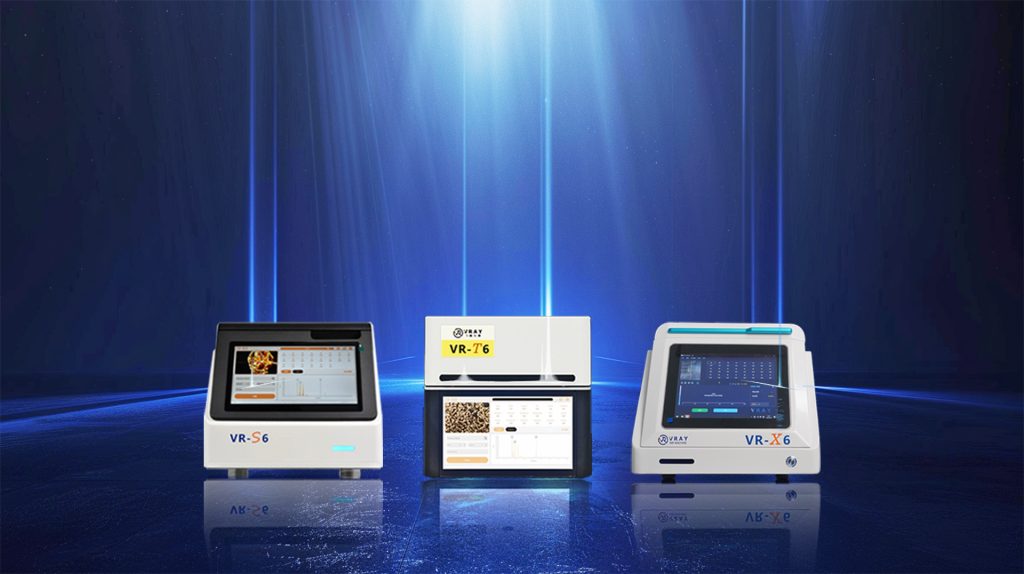
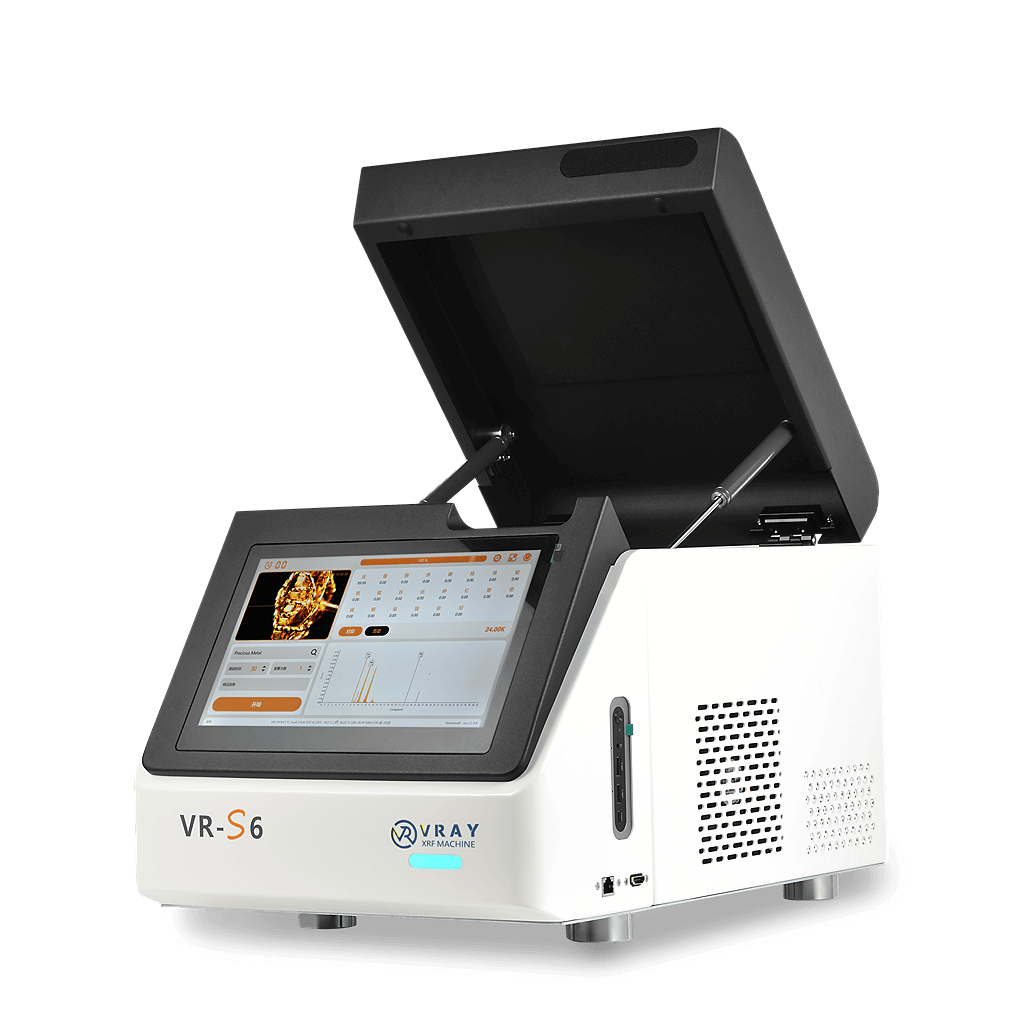
A good XRF gold tester should deliver precise purity analysis within seconds, protect the integrity of jewelry or raw materials with non-destructive testing, and be simple enough for everyday use by jewelers, refiners, or recyclers. Beyond these essentials, factors such as safety features, portability, reporting functions, and durability determine whether a device can truly support professional needs. In this article, we will explore the key features that define a high-quality XRF gold tester and introduce proven solutions from VRAY Instruments. Accuracy and Precision The most critical feature of any gold tester is accuracy. Professionals need to know whether a piece is 18K, 22K, or 24K gold, or if it has been alloyed with other metals such as silver, platinum, or palladium. A good XRF tester must deliver reliable results with minimal deviation. High-precision models, such as VRAY’s VR-T9, can achieve an accuracy as high as ±0.001%, making them ideal for quality control in high-purity gold industries. Speed of Analysis Time is money in the precious metals business. Customers and professionals cannot afford to wait long minutes for test results. A quality XRF gold tester provides readings within seconds, allowing jewelry stores, pawnshops, and recycling businesses to work efficiently. Devices like the VR-M5 portable analyzer or VR-H5 handheld analyzer provide fast, on-the-spot results, ensuring decisions can be made immediately. Non-Destructive Testing A fundamental advantage of XRF technology is its ability to test without damaging the sample. A good tester ensures no scratching, drilling, or chemical treatment is needed, making it ideal for finished jewelry, coins, or valuable collectibles. This feature is especially important for jewelers and collectors who want to maintain the integrity of their pieces while still getting precise purity results. Detector Technology The heart of an XRF analyzer lies in its detector. High-quality detectors, such as Si-PIN or advanced proportional counters, ensure sensitivity and accuracy across a wide range of elements. For example, VRAY’s VR-X3 uses a gas proportional counter detector, delivering stable and reliable results for gold, silver, and platinum group metals. Meanwhile, the VR-X5 employs a custom Si-PIN detector designed for greater sensitivity, capable of testing over 20 different elements. User-Friendly Design A good XRF tester must combine advanced technology with ease of use. Many users are not scientists but jewelers, refiners, or pawnbrokers who need straightforward operation. Features such as integrated touchscreens, built-in computers, and intuitive software make testing simple. The VRAY VR-N3 and VR-S6 both provide all-in-one builds with touchscreen interfaces, eliminating the need for external devices. Safety Features Since XRF testers use X-rays, built-in safety mechanisms are essential. Overheating protection, high-voltage protection, automatic cut-off systems, and shielding should be standard. For instance, VRAY devices include built-in protection systems to ensure both operator safety and long-term device durability. Portable models even feature gravity sensors that shut down the device if dropped. Versatility in Applications A good tester should not be limited to just one type of sample. Professionals often need to analyze raw gold, finished jewelry, coins, alloys, plating layers, or even industrial materials. Devices

Why Do Jewelers Use XRF Machines?

For a jeweler, the trust of customers depends on accuracy, speed, and transparency when assessing precious metals. Every appraisal, trade-in, or quality inspection is a moment where the right tool can mean the difference between closing a deal and losing a client’s confidence. This is where XRF (X-ray fluorescence) machines excel—they provide jewelers with fast, non-destructive, and highly precise analysis of gold, silver, platinum, and other precious metals, ensuring both the jeweler and the customer can be confident in the results. Instant, Reliable Results Without Damage Unlike traditional chemical testing methods, which require scratching, filing, or applying acids, XRF technology analyzes the metal’s composition without harming it. This means a diamond-studded gold ring can be tested without risk to its appearance or value. In just a few seconds, the machine provides a detailed breakdown of metal purity, from gold karat values to the presence of platinum group metals (PGMs) like palladium and rhodium. Building Customer Trust Through Transparency In today’s competitive jewelry market, customers expect proof. With an XRF machine, jewelers can test an item right in front of the client, showing live results on a screen. This transparency not only strengthens credibility but also enhances customer satisfaction—especially in buyback, recycling, and custom jewelry services, where accuracy directly affects pricing. Speed That Matches the Pace of Business For jewelers who handle multiple transactions daily, time is money. XRF machines deliver results in seconds, allowing for more appraisals in less time. Whether testing raw materials before manufacturing or verifying finished pieces, the efficiency of XRF devices supports faster decision-making and smoother workflow. Reduced Risk and Cost Savings Chemical assay kits involve consumables, safety hazards, and potential for human error. XRF machines require no reagents, have minimal maintenance needs, and eliminate waste, making them a cost-effective long-term investment for any jewelry business. They also minimize the risk of damaging high-value items, avoiding costly mistakes. How VRAY’s XRF Solutions Serve Jewelers VRAY Instruments offers a comprehensive range of XRF analyzers, each designed to meet specific needs in the jewelry industry—from compact portable units for on-the-go appraisals to high-precision benchtop models for laboratory-grade quality control. For Jewelry Stores and Everyday Testing VR-X3 – Reliable, accurate, and equipped with a gas proportional counter detector. Ideal for quick purity checks in gold and silver jewelry, as well as platinum, palladium, and rhodium. VR-X5 – Enhanced sensitivity with a custom silicon PIN detector, capable of analyzing 20+ elements. Perfect for jewelers who also work with alloys and complex metal compositions. VR-N3 – User-friendly and cost-effective, offering fast, consistent results for daily store operations. Recommendation: If you run a retail jewelry shop and need to quickly confirm purity during sales or buyback transactions, the VR-X5 balances speed, precision, and ease of use. For Mobile Appraisals and Trade Shows VR-M5 – Lightweight, battery-powered, and equipped with an HD camera for precise targeting. Excellent for on-site appraisals at customer locations or events. VR-H5 – Handheld and rugged, with gravity sensing and dual-beam detection for rapid field testing. Recommendation: Jewelers who

What’s the Difference Between Gold Plated and Solid Gold?

The core difference between “gold plated” and “solid gold” lies in composition: solid gold is made entirely from gold alloy, while gold plated jewelry consists of a base metal (such as brass or silver) coated with a thin layer of gold. Solid gold jewelry offers lasting color, resistance to tarnish, and higher intrinsic value because the gold runs throughout the entire piece. Gold plated jewelry, while more affordable and stylish, wears over time as the gold layer gradually rubs away, revealing the base metal beneath. The choice between the two depends on budget, intended use, and expectations for longevity. 1. Composition and Manufacturing Process Solid Gold Solid gold jewelry is made from an alloy of pure gold mixed with other metals like copper, silver, or palladium to enhance strength. Common purities include 24K (99.9% pure), 18K (75% pure), and 14K (58.3% pure). The gold is present throughout the entire piece, ensuring the same material inside and out. Gold Plated Gold plated jewelry starts with a base metal—often brass, copper, or sterling silver—that is coated with a very thin layer of gold through electroplating. The thickness of the plating can range from a few microns to a fraction of a micron, which directly affects how long the finish will last. 2. Durability and Wear Over Time Solid Gold Durability Because solid gold contains gold throughout, it will not flake or wear away. It can be polished repeatedly to restore shine and is less prone to tarnishing. Over decades, only normal surface scratches appear, which can be buffed out. Gold Plated Durability The gold layer on plated jewelry is susceptible to wear, especially on pieces like rings or bracelets that undergo constant friction. Once the plating is worn through, the base metal is exposed, often changing the color and causing oxidation or tarnish. 3. Cost and Value Retention Solid Gold Value Solid gold holds significant intrinsic value because of its gold content. It can be melted down, resold, or passed down as an heirloom. Its price fluctuates with the gold market but generally retains long-term value. Gold Plated Value Gold plated jewelry is far less expensive, making it accessible for fashion purposes. However, its resale value is negligible since the actual gold content is minimal. 4. Appearance and Feel Both types can look identical when new, especially with high-quality plating. However, solid gold tends to have a warmer tone and heavier weight due to its density. Over time, plated pieces may lose their uniform color, especially in high-contact areas. 5. Hypoallergenic Considerations Solid gold, especially in higher purities, is generally hypoallergenic. In contrast, gold plated jewelry may cause skin irritation once the plating wears off, exposing nickel or other allergenic base metals. 6. How to Tell the Difference Visual inspection alone can be misleading, as high-quality gold plating can mimic solid gold. Reliable testing methods include: Hallmark Inspection – Solid gold pieces are stamped with purity marks such as “18K” or “750.” Plated items may have stamps like “GP” (gold plated) or

How Does XRF Technology Compare to Traditional Methods?

For decades, industries such as jewelry, mining, recycling, and quality control have relied on chemical assays, fire testing, and acid testing to determine the purity and composition of precious metals. While these traditional methods can produce accurate results, they often involve lengthy preparation, potential material loss, and environmental concerns. In contrast, XRF (X-ray fluorescence) technology delivers accurate, non-destructive analysis in seconds, reshaping how professionals handle metal testing. Immediate Accuracy vs. Time-Intensive Testing Traditional gold and precious metal assays, such as fire assay or wet chemical analysis, can require hours—or even days—to complete. Samples often need to be physically altered or destroyed, and the process demands skilled operators and controlled environments. XRF technology changes this equation entirely. By measuring the fluorescent X-rays emitted when a sample is exposed to a primary X-ray source, XRF analyzers determine elemental composition almost instantly. There’s no need to cut, melt, or chemically treat the sample. For jewelers, refiners, and recyclers, this means faster transactions, higher efficiency, and less material waste. Safety and Environmental Impact Acid testing and chemical assays use substances like nitric acid, hydrochloric acid, and aqua regia. These present safety risks for operators and require proper disposal to prevent environmental harm. Fire assay involves high-temperature furnaces and fluxes, which also create waste and energy consumption concerns. XRF technology eliminates hazardous chemicals altogether. The process is safe when used with proper shielding and safety protocols, producing no toxic byproducts. This makes XRF a cleaner, greener choice for businesses seeking to meet sustainability goals while protecting employee health. Cost Efficiency Over Time Initial investment in a high-quality XRF analyzer can be significant compared to the low upfront costs of acid testing kits or basic assay tools. However, when factoring in the ongoing expenses of chemicals, consumables, sample preparation, and labor, XRF often proves more cost-effective over time. Once purchased, an XRF analyzer like those from VRAY Instruments requires minimal maintenance, no consumable chemicals, and can be used continuously for thousands of tests without degradation of accuracy. Consistency and Operator Independence Traditional methods rely heavily on the skill of the operator. For example, in acid testing, interpreting color changes can be subjective, and small errors can lead to incorrect readings. Fire assay results can vary depending on temperature control and flux composition. XRF analyzers, by contrast, use advanced software algorithms and detector technology to provide consistent, objective results regardless of the operator’s experience level. With VRAY’s Multi-FP algorithm and high-resolution detectors, users can expect repeatable accuracy whether they are testing one sample or a hundred. Applications Where XRF Excels While traditional methods still have their place—especially in certain legal or regulatory contexts—XRF shines in high-volume, time-sensitive, or mobile applications. Common uses include: Jewelry stores: Rapid verification of purity for buying, selling, or repairing. Gold recycling centers: Quick sorting and valuation of incoming materials. Mining operations: On-site ore grading for real-time decision-making. Manufacturing: Quality control of precious metal components. Pawn shops: Fast, accurate appraisal without damaging items. VRAY Instruments: Leading XRF Solutions for Modern Testing As a

Is XRF the Only Way to Test Gold Without Damage?

The short answer is no—XRF is not the only method—but it is by far the most accurate, fastest, and most convenient non-destructive technique available today. Other methods, like ultrasound or density testing, can also be non-destructive, but they often lack the precision and versatility of XRF. For professionals who need reliable results in seconds without altering the sample, XRF remains the gold standard in the industry. Why Non-Destructive Gold Testing Matters Gold items often carry not just material value but also artistic, historical, and emotional significance. A scratched or chemically altered surface can significantly reduce the resale value. That’s why industries such as jewelry retail, gold recycling, pawnshops, and precious metal refineries have moved away from abrasive and chemical methods like touchstone and acid tests. Non-destructive testing (NDT) methods allow professionals to: Verify gold purity while preserving the product’s appearance. Build customer trust by avoiding visible damage. Conduct repeat tests without degrading the sample. Save time compared to destructive lab-based methods. Non-Destructive Methods for Gold Testing Although XRF is the most widely adopted, let’s examine the main alternatives. Density Testing (Hydrostatic Weighing) Measures the displacement of water to calculate density. This method is simple and inexpensive but has limitations—it cannot distinguish between pure gold and alloys with similar densities, such as tungsten-filled gold bars. Ultrasound Testing Uses sound waves to detect differences in material composition. This can be useful for large bullion, but accuracy declines with small or irregular items like jewelry. Electrical Conductivity and Magnetic Tests These quick field checks can spot obvious fakes, but they cannot determine exact gold purity and may be fooled by non-magnetic alloys. X-Ray Fluorescence (XRF) Analysis Uses high-energy X-rays to measure the elemental composition of gold. It delivers laboratory-grade precision in seconds, works on solid, powdered, or liquid samples, and requires no sample preparation. Unlike other methods, XRF can detect multiple metals in an alloy and calculate exact percentages. Why XRF Stands Out in the Field While other methods have niche uses, XRF offers an unmatched combination of speed, accuracy, versatility, and safety. For businesses that handle high-value items daily, the benefits are clear: Accuracy: Detects over 20 elements and determines gold purity within ±0.03% (or ±0.001% for advanced models). Versatility: Works on jewelry, coins, bars, scrap, coatings, and even high-purity gold in electronics. Efficiency: Results in under 10 seconds, without chemicals or consumables. Documentation: Generates digital reports for quality control and customer records. VRAY Instruments: Professional XRF Solutions As a leader in precious metal testing technology, VRAY Instruments provides a complete range of XRF analyzers tailored for different industries. For Jewelry Stores and Retailers VR-X3 – Reliable and cost-effective, perfect for daily gold and silver purity checks. VR-N3 – User-friendly with high stability, ideal for small shops and gold buying centers. For Gold Recycling and Refining VR-X5 – Enhanced sensitivity with a custom Si-PIN detector, capable of testing over 20 elements. VR-T5 / VR-T6 – Advanced Multi-FP software and microlight technology for fast, precise analysis of complex alloys. For High-Purity Gold Quality

Topics Included in the XRF Spectrometers Guide

  • The fundamental principles of X-ray fluorescence: how XRF works and what physical phenomena make it possible.
  • Key components of spectrometers: sources, detectors, optics, and how they impact performance.
  • Types of XRF systems: energy-dispersive vs wavelength-dispersive, benchtop, portable, micro-spot, etc.
  • Calibration, limits of detection, precision vs accuracy, and how to interpret spectra.
  • Sample preparation and handling: solids, powders, coatings, liquids; surface effects and matrix effects.
  • Real-world applications: quality control, mining & geology, manufacturing alloys/coatings, regulatory compliance.
  • Comparisons & trade-offs: cost, speed, resolution, portability, and when XRF is the right tool (and when it’s not).

The Most Cited VRAY Instrument in This Section’s Articles

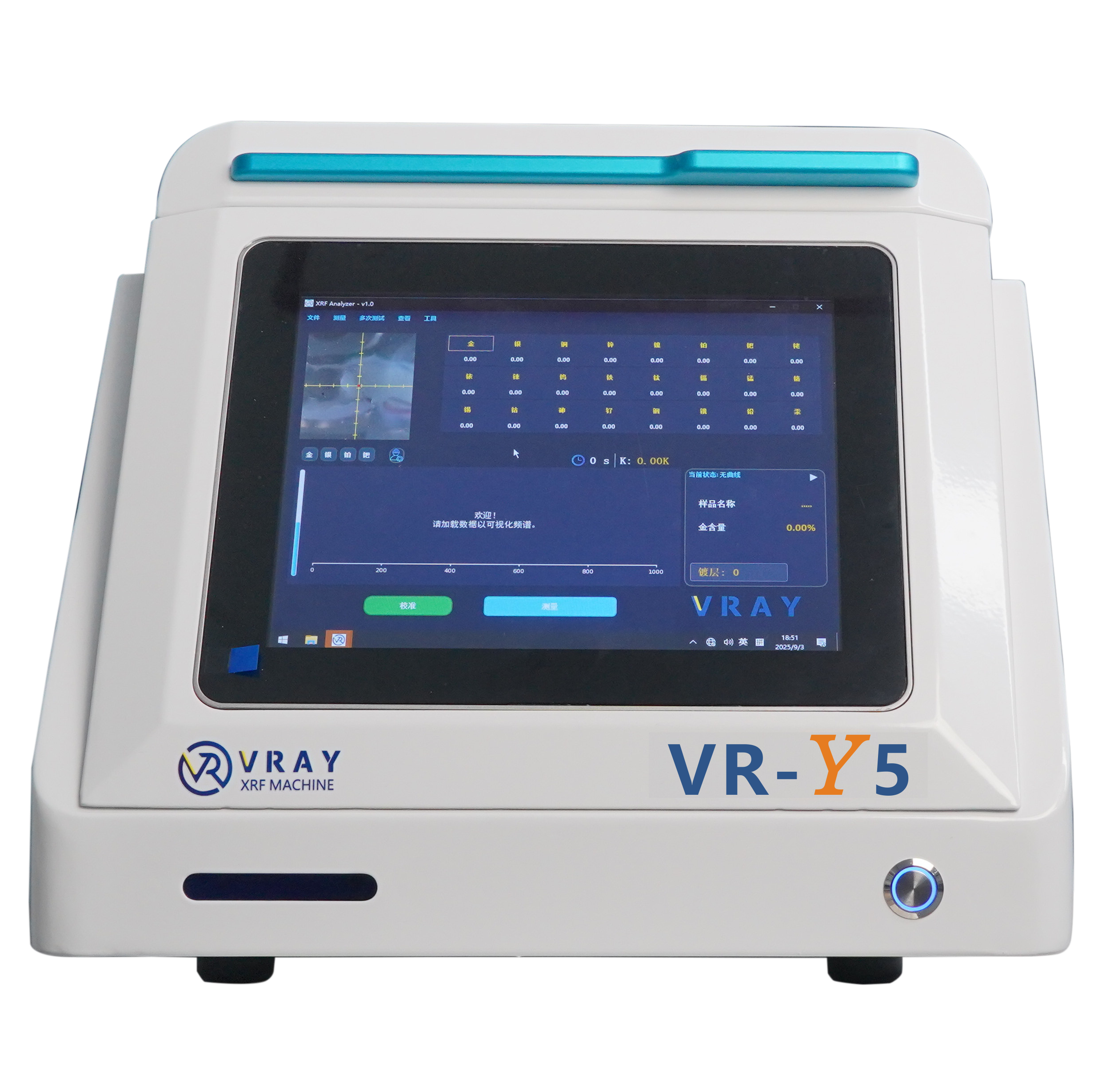
The VRAY VR-X5 XRF Analyzer is the most cited instrument across the articles in this section. It is frequently highlighted for its advanced technology, high precision, and reliable performance in precious metal testing. Capable of analyzing up to 20 elements, the VR-X5 delivers fast and non-destructive results, making it highly valued in jewelry, refining, and quality control applications. Its combination of speed, ease of use, and accuracy has made it a reference point for many professionals seeking trustworthy solutions in material analysis.

CONTACT US FOR EXPERT CONSULTATION

*We respect your confidentiality and all information is protected.